30 Pasta Recipes for Every Mood (Hot Dinners + Cold Pasta Salads)

Published Mar 29, 2026
A collection of 30 pasta recipes, including warm pasta dishes and cold pasta salads, with easy options for dinner, sides, and meal prep.
This post may contain affiliate links. Please read our disclosure policy.
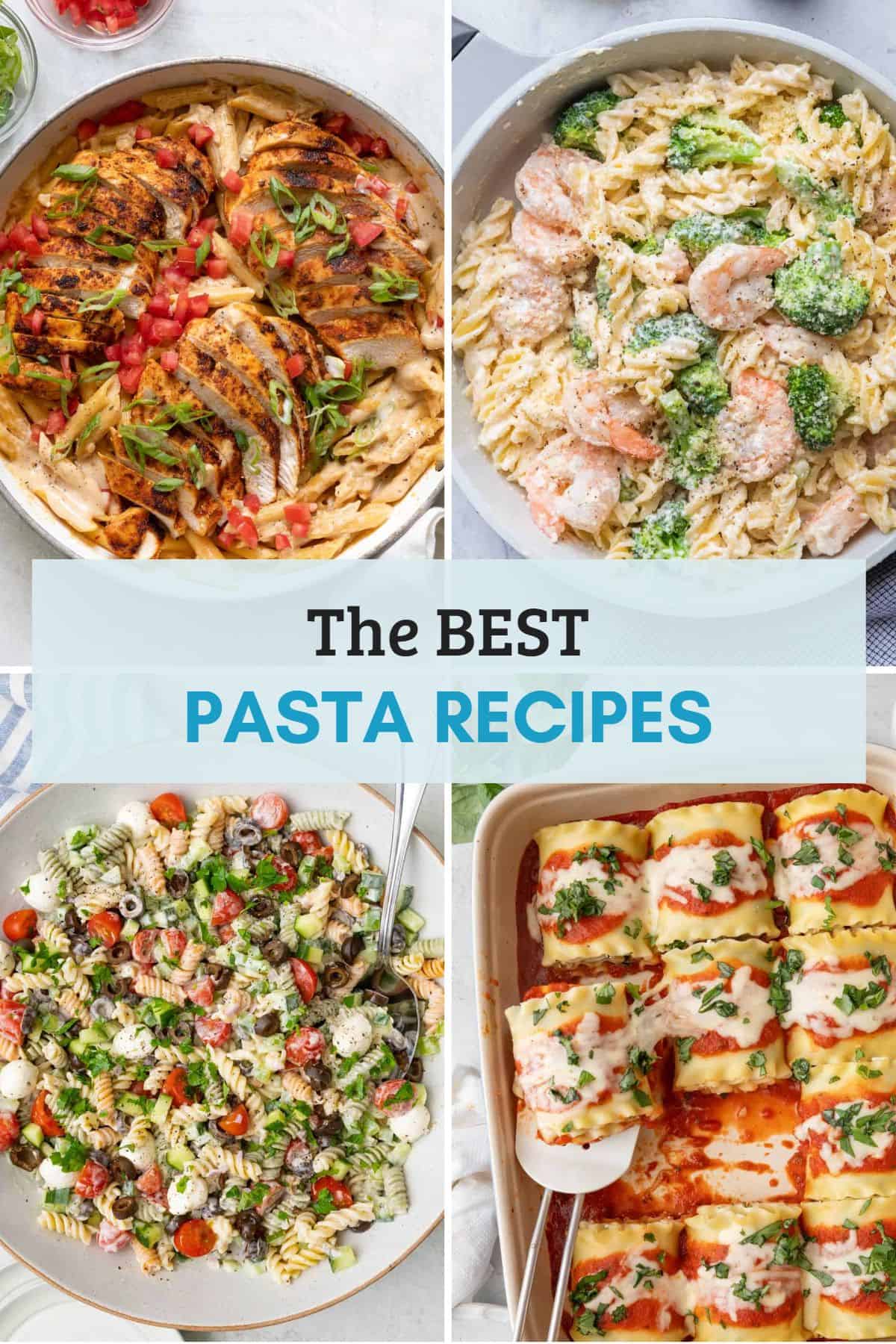
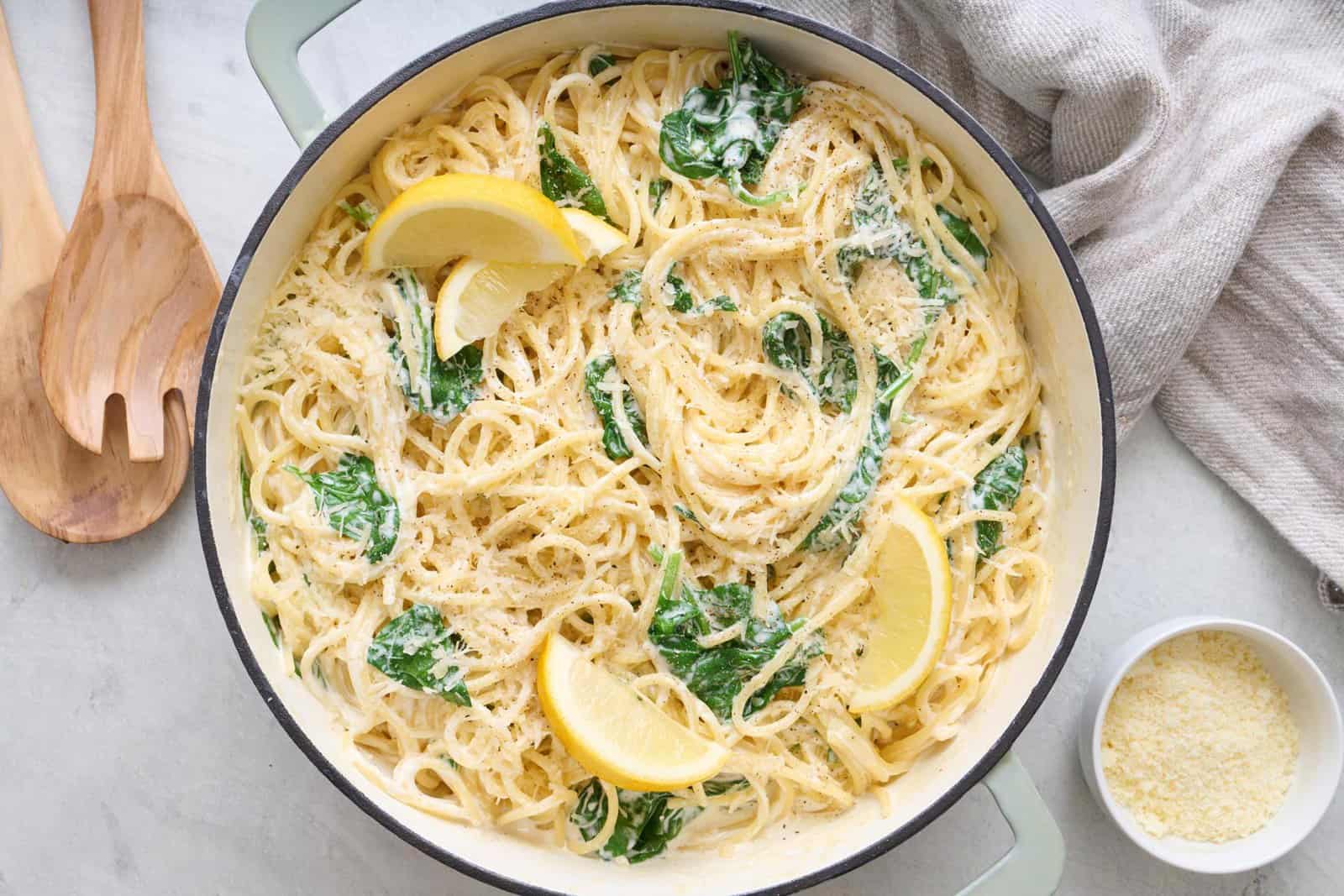
Pasta is one of those things I make year-round, but what I’m in the mood for definitely changes. Some days I want something warm and comforting, like a baked pasta or a creamy sauce. Other times, especially when it’s warmer out, or I just want something quick, I’m making a pasta salad and calling it done. This recipe collection pulls together 30 pasta recipes that cover both. There are hot pasta dishes like mac and cheese, baked pastas, and quick skillet meals, along with cold pasta salads that work for lunches, sides, or something easy to keep in the fridge.
Jump to Section
30 of My Best Pasta Recipes
I broke the pasta recipes up into my warm pasta favorites and cold pasta salads, so it’s easy to find what you’re in the mood for. Some are more filling dinner options, some are lighter, and many are the kind of recipes I come back to when I don’t want to think too hard about what to make.
Warm Pasta Favorites
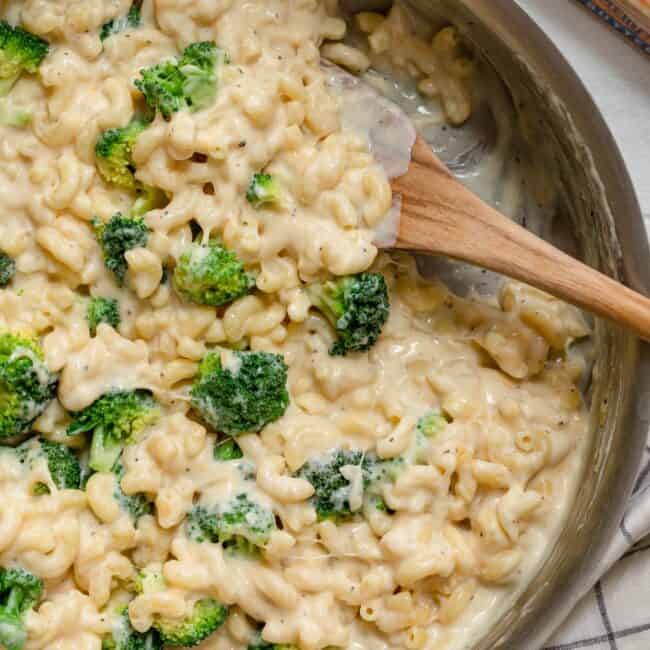
Broccoli Mac and Cheese Recipe
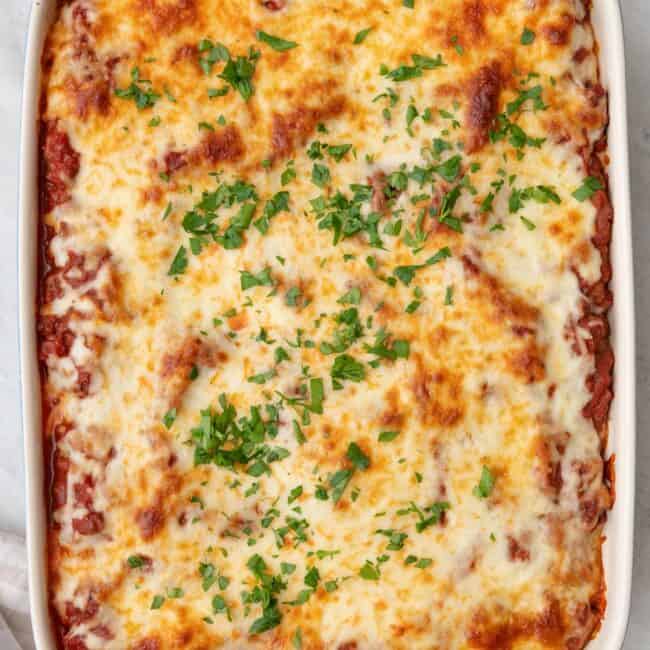
Macarona Bechamel

Creamy Cajun Chicken Pasta
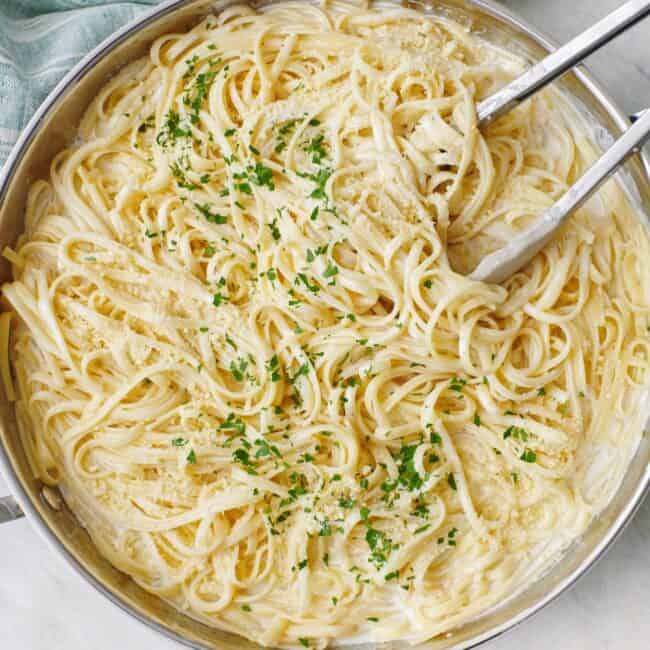
Cottage Cheese Alfredo Pasta Recipe
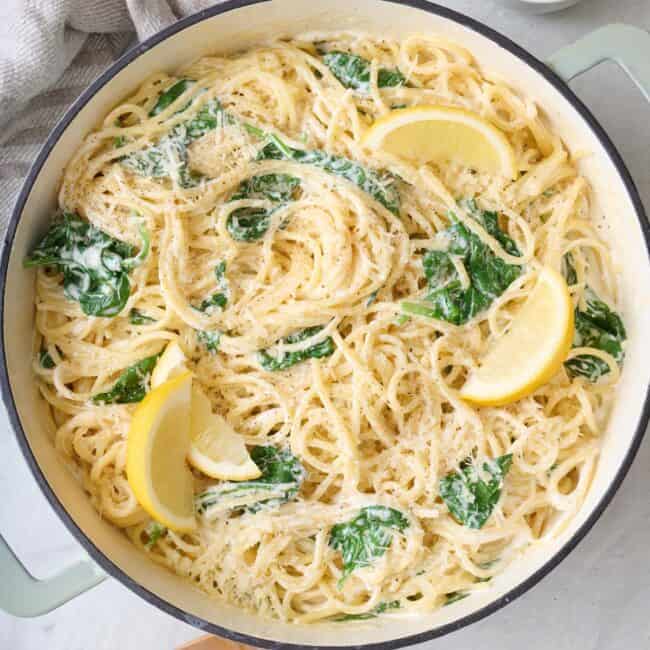
Lemon Ricotta Pasta Recipe

Scallop Pasta
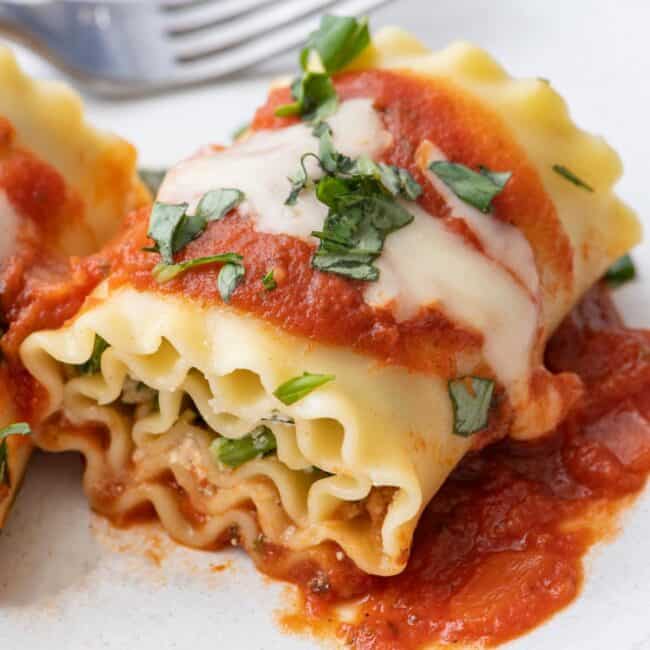
Spinach Lasagna Roll Ups Recipe
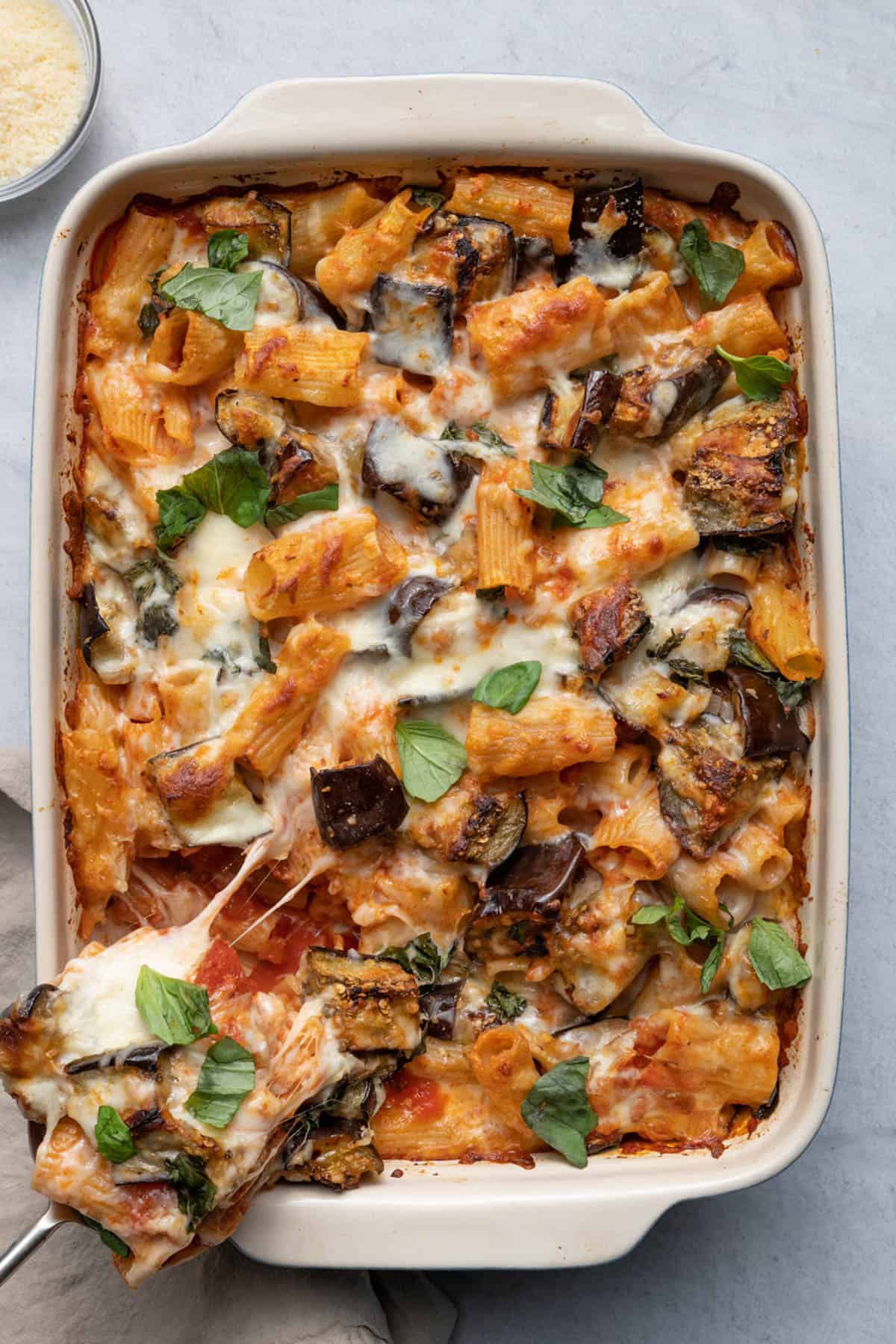
Eggplant Pasta Casserole
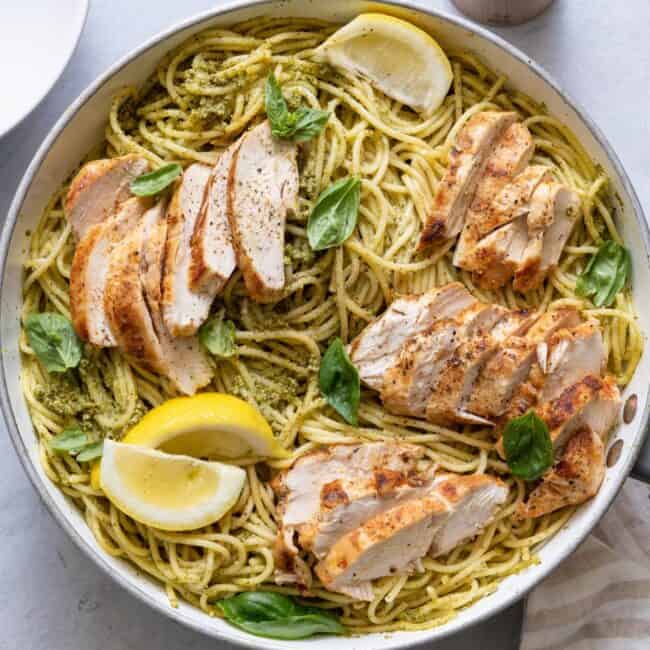
Pesto Pasta with Chicken Recipe
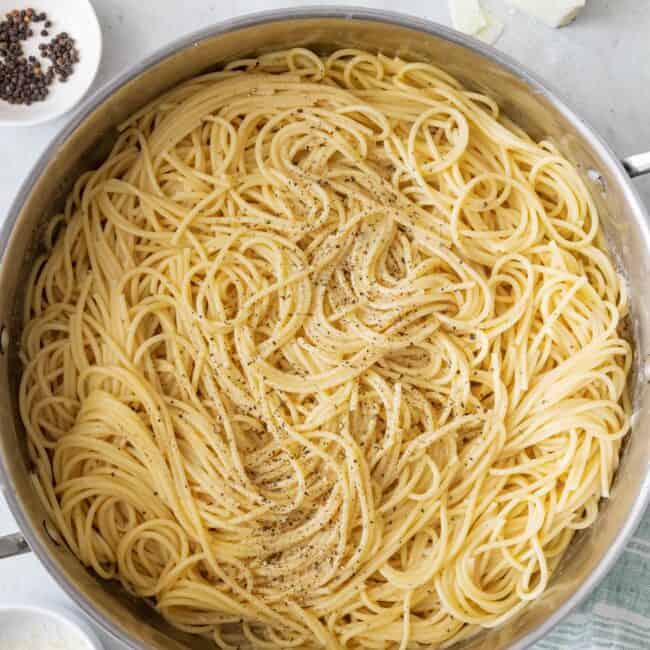
Cacio e Pepe

Spicy Shrimp Pasta
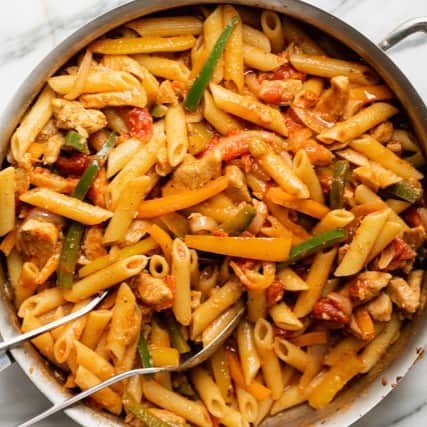
Chicken Fajita Pasta
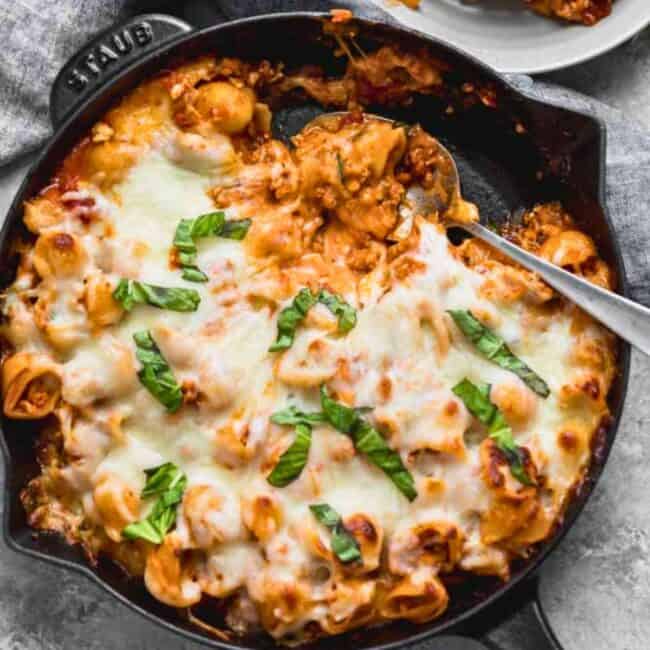
Ground Turkey Baked Pasta Recipe
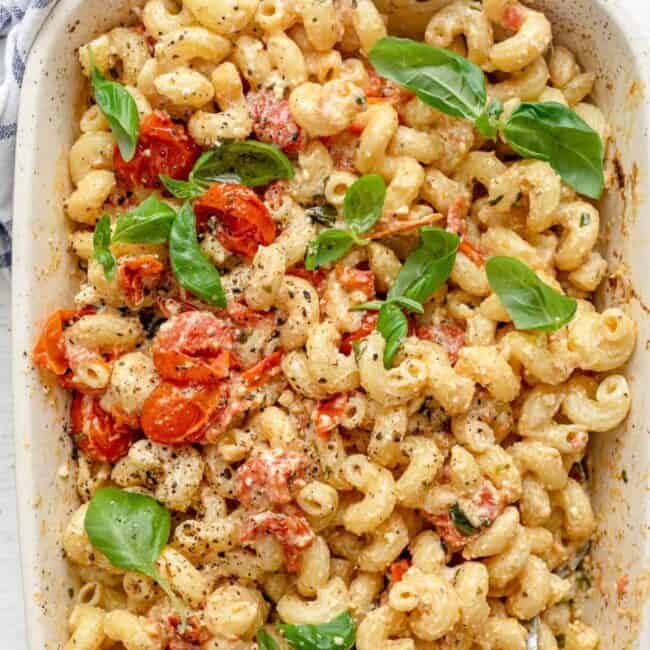
Baked Feta Pasta
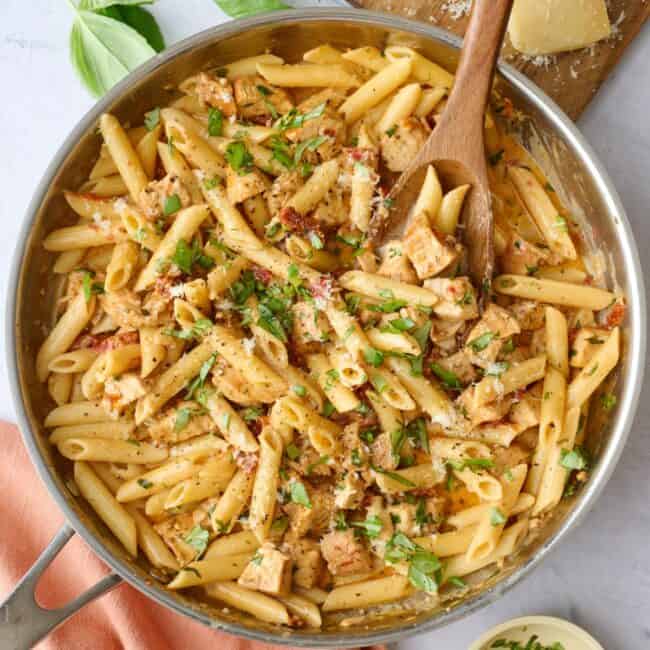
Marry Me Chicken Pasta Recipe
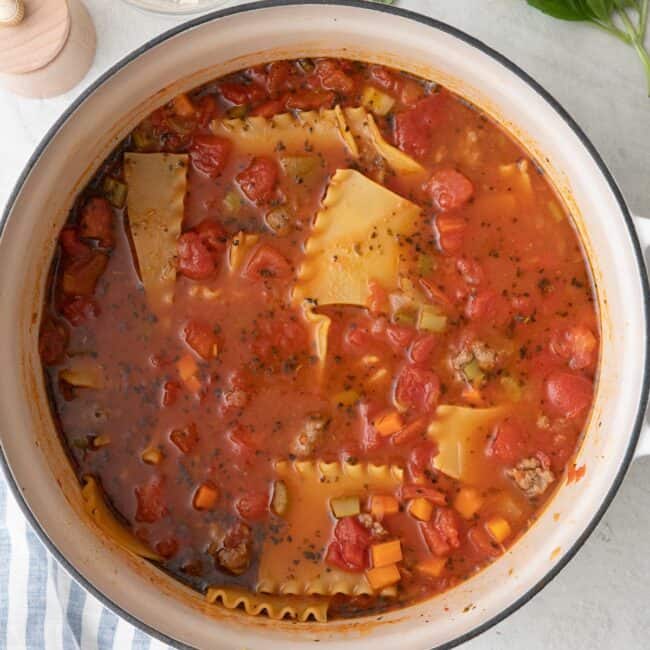
Lasagna Soup Recipe
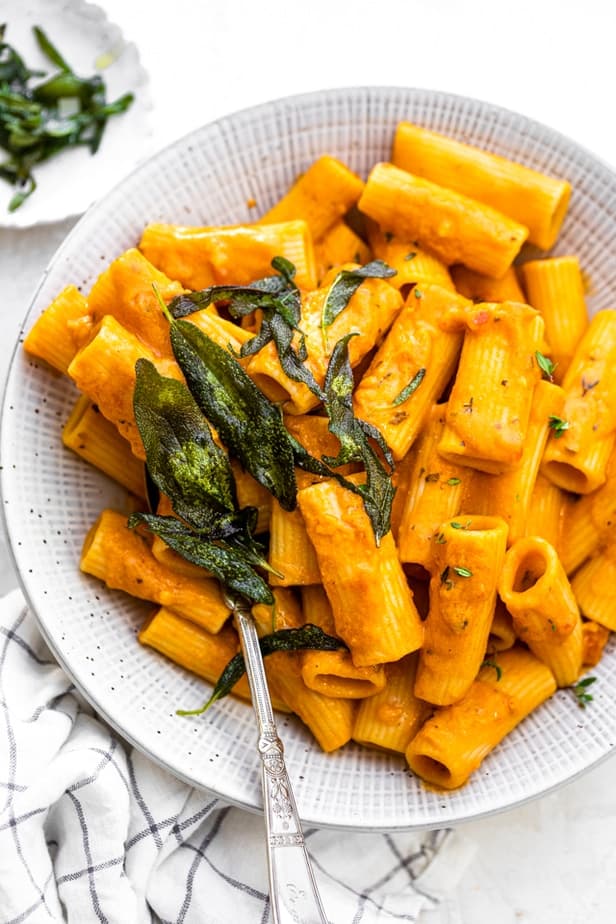
Pumpkin Pasta with Crispy Sage
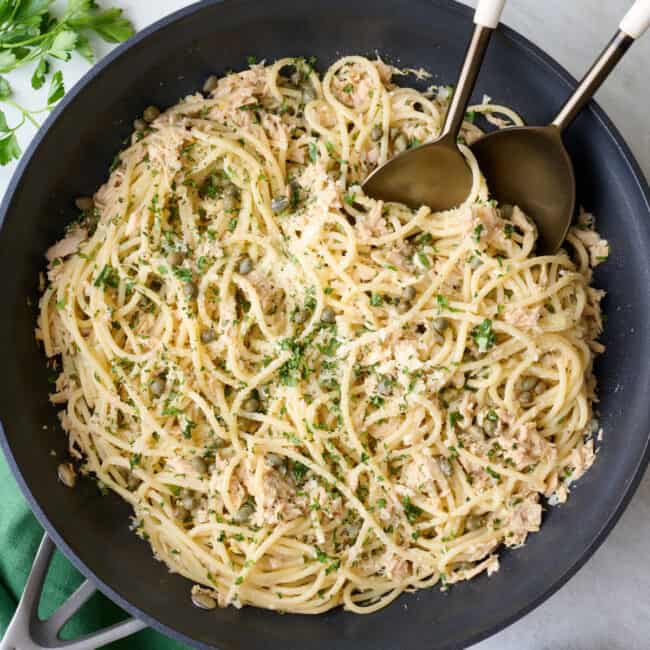
Tuna Pasta Recipe
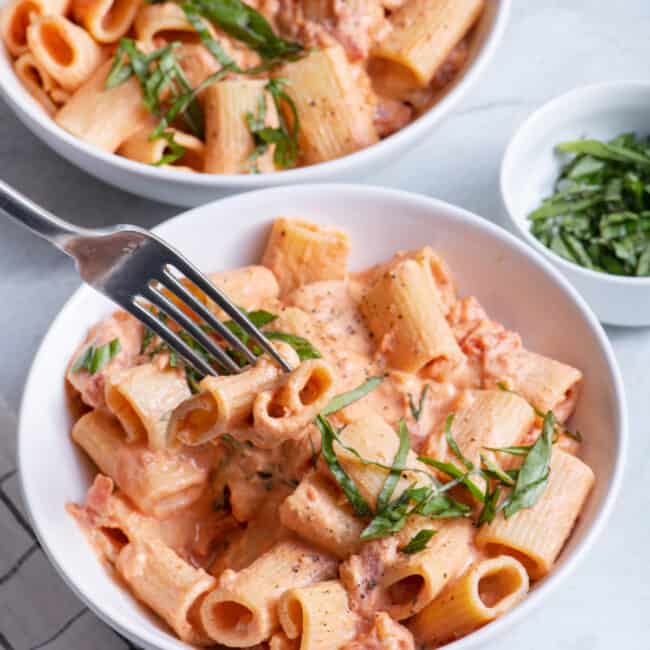
Creamy Vegan Cashew Tomato Pasta
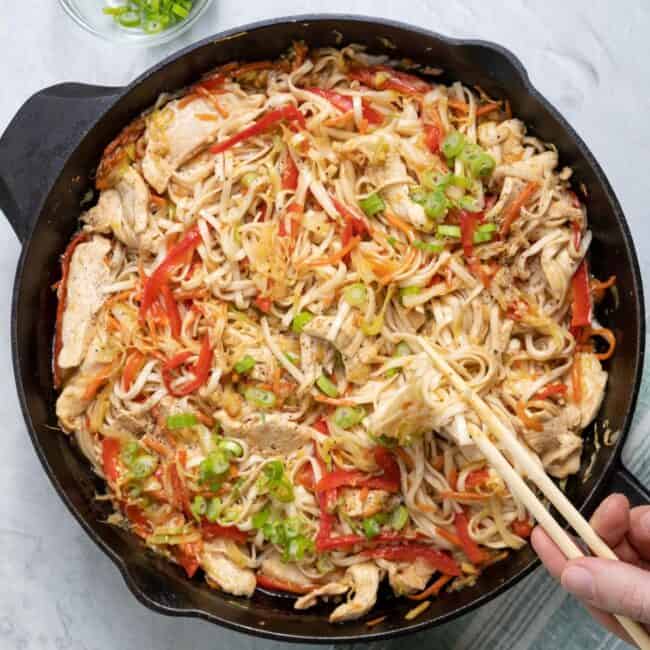
Chicken Lo Mein Recipe
My Best Cold Pasta Dishes
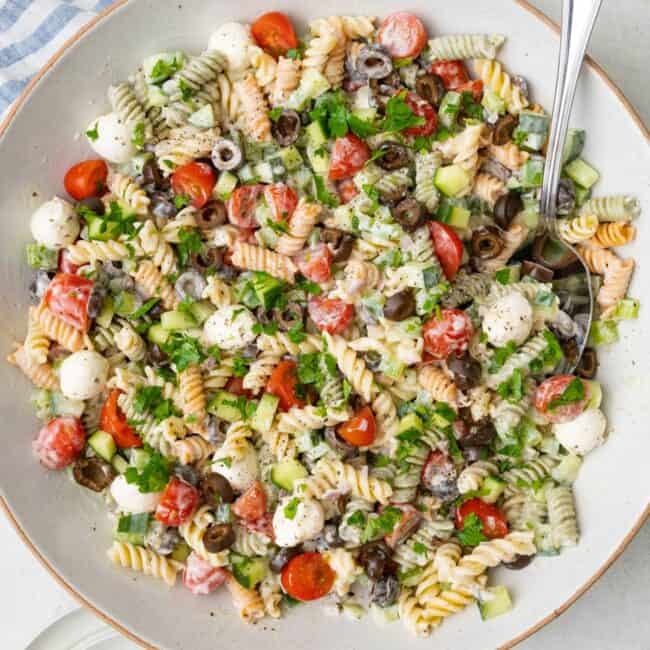
Italian Pasta Salad Recipe
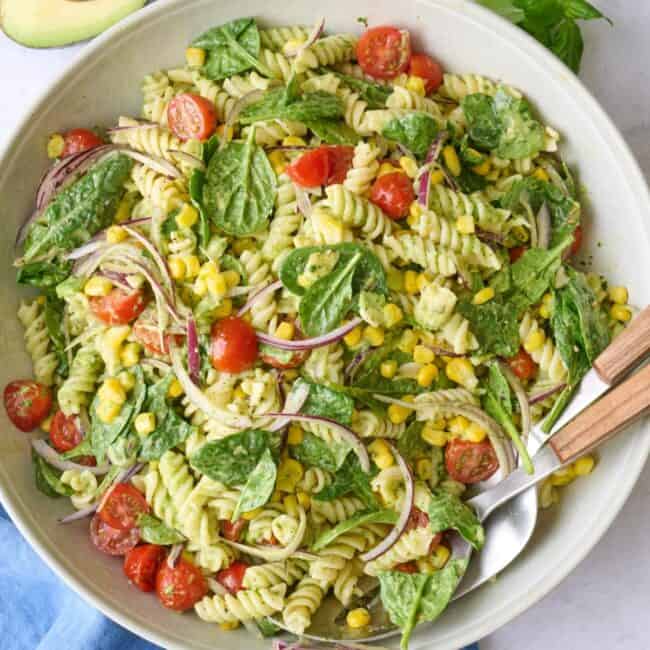
Avocado Pasta Salad Recipe
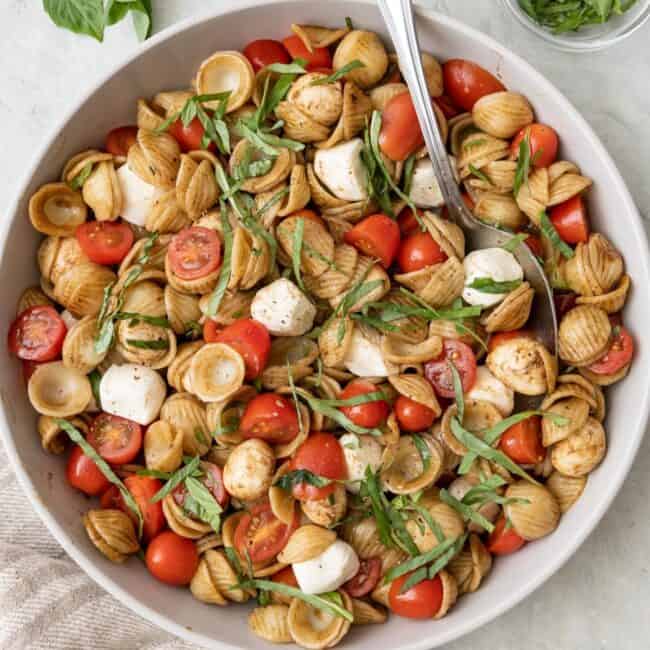
Caprese Pasta Salad Recipe
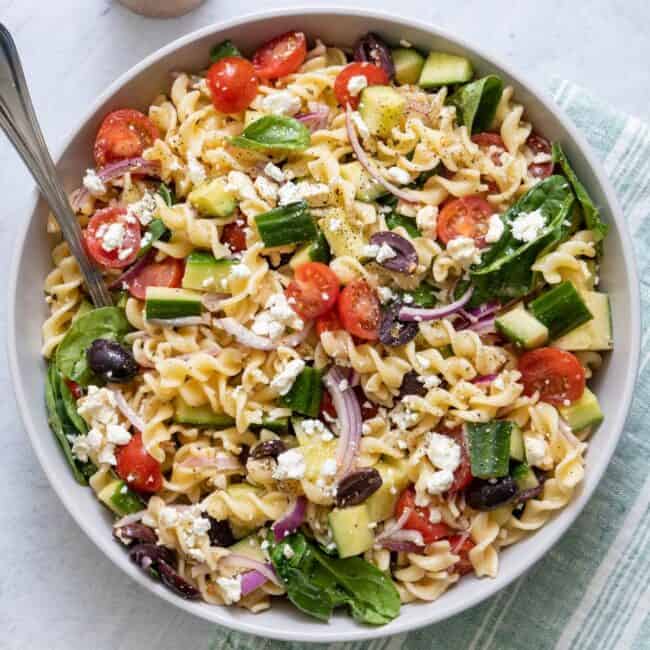
Mediterranean Pasta Salad

Spinach Pasta Salad
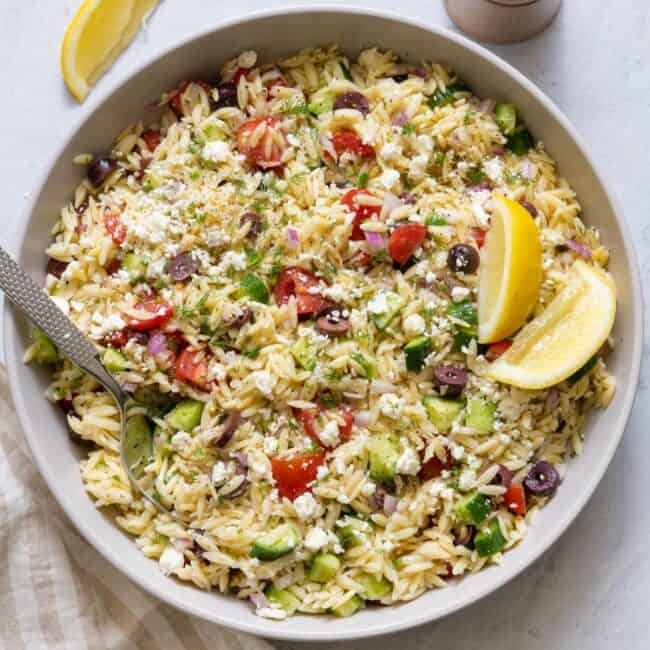
Greek Orzo Salad
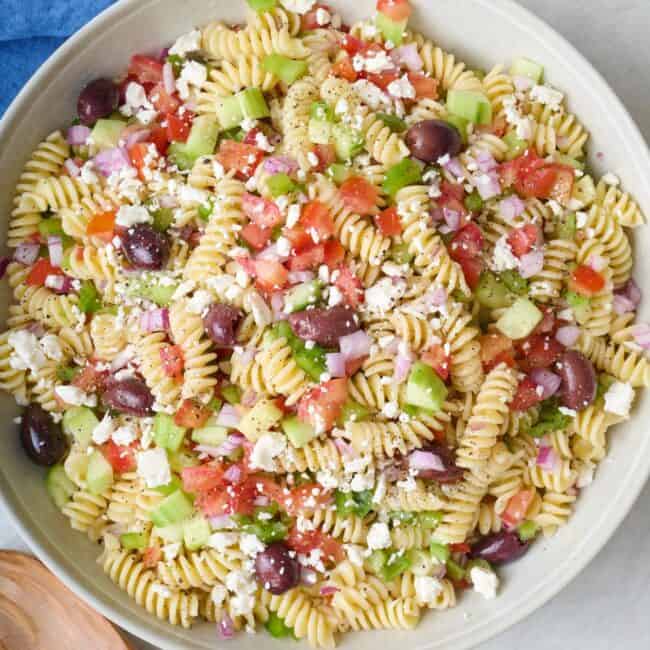
Greek Pasta Salad Recipe
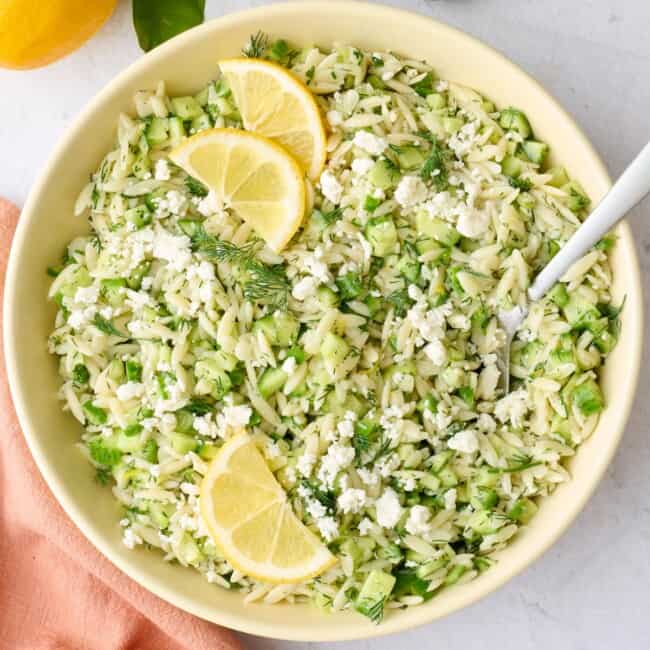
Lemon Orzo Salad Recipe

Chicken Caesar Pasta Salad Recipe

Shrimp Orzo Salad
Tips for Making Pasta
- Use a large pot of water. Using enough water when cooking pasta is important for even cooking, preventing sticking, and creating starchy pasta water that adds to the sauce flavor.
- Salt the water. After the water begins to boil, add salt, then the pasta. This helps the pasta’s flavor as it absorbs the salted water. A good rule of thumb is to use about 1-2 tablespoons of salt per 4-6 quarts of water.
- Cook until just al dente. Cook the pasta until it’s tender, with a slight firmness when bitten. This way, the pasta retains its structure and avoids becoming mushy. Keep testing the pasta during cooking to prevent overcooking and achieve perfection.
- Reserve pasta water. Before draining the cooked pasta, reserve some of the pasta water. This water can be used to adjust the consistency of the sauce, making it creamier or helping it adhere better to the pasta.
- Skip the rinse. You usually don’t need to rinse cooked pasta, especially if you’re adding sauce. Rinsing removes starch that helps the sauce stick to the pasta.
How To Store Leftovers
- Cool it down. Make sure to cool any hot recipes to room temperature before storing.
- Label everything with the name and date. Keep track of all your leftovers so you know how long you have to enjoy them or toss them if needed.
- Use plastic containers or freezer bags. Keep your food fresh by storing it in airtight containers.
- Save or trash? If you have any perishable items (like meat or dairy), make sure to store them in the fridge. If they have sat out longer than 4 hours, it’s probably best to throw it out.
FAQs
Some popular types of pasta include spaghetti, penne, fettuccine, linguine, rigatoni, and macaroni.
To prevent pasta from sticking together, use a large pot with plenty of water and add salt. Stir occasionally while cooking and drain immediately after cooking. Toss with olive oil to prevent sticking if not adding to a sauce.
To achieve the perfect al dente texture, cook the pasta until it is tender with a slight firmness when bitten. Start testing the pasta a minute or two before the recommended cooking time to ensure it doesn’t become overcooked.