How to Cook Pasta

Updated Jul 15, 2026
Learn how to cook pasta with this easy step-by-step guide. I'll show you how long to cook pasta and how to boil pasta properly.
This post may contain affiliate links. Please read our disclosure policy.
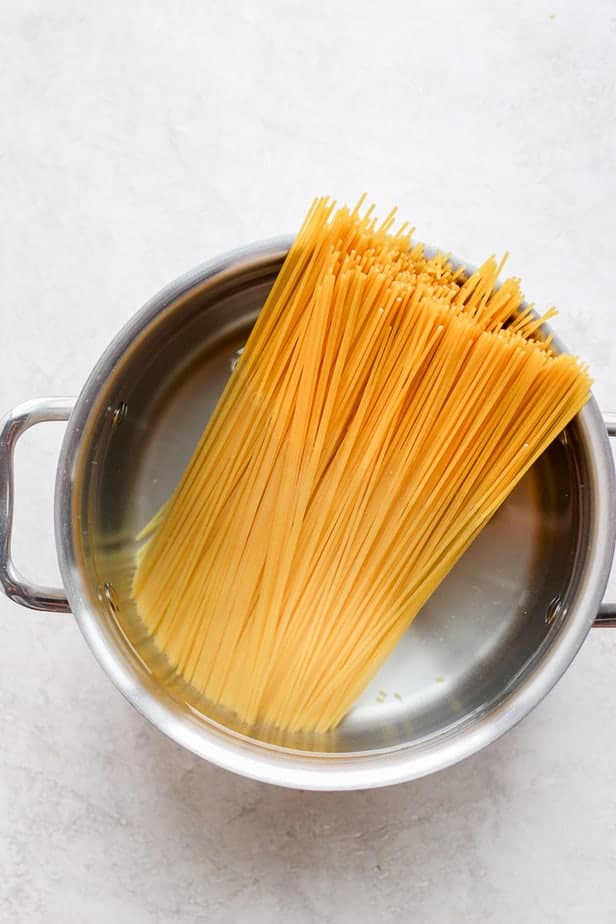
I’ll admit it feels a little funny to write out a recipe for something I make on autopilot, but I realized I’ve quietly changed how I cook pasta over the years and never actually said any of it out loud. Learning how to cook pasta well is less about the boiling and more about a few small habits: salting the water like you mean it, tasting before the timer says to, and pulling it while it still has a real bite. Those are the things that took my pasta from fine to the kind I actually want to eat.
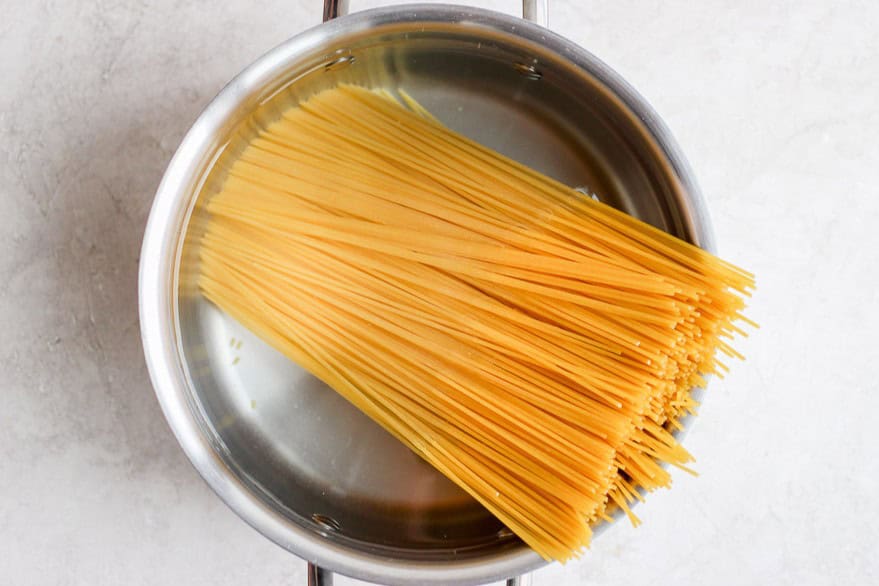
Jump to Section
RECIPE TESTING NOTES

For the past 10 years, I’ve tested every recipe before sharing it with you! These notes give you a peek into the process of developing this how to cook pasta recipe.
I’ve cooked pasta more times than I could ever count, so this was less about learning how and more about pinning down the little details that make it come out right every time. The biggest one was the timing. Package directions almost always run a touch long, and when I cooked it exactly to the box it was already past al dente by the time it hit the sauce. Pulling it about a minute short, or 30 seconds short if I’m draining it to serve right away, is what consistently gave me that firm bite.
I also went back and forth on the salt. A few of my early rounds tasted flat no matter what sauce I used, and it was because the water wasn’t salty enough. Three tablespoons in six quarts was where the pasta itself actually tasted seasoned instead of relying on the sauce to carry everything.
The rinsing was the one place I split the method. I never rinse pasta that’s going into a warm sauce, because that starchy surface is what helps the sauce grip. But for a cold pasta salad, rinsing to stop the cooking and cool it down made a real difference, so that’s the only time I do it. A little olive oil after keeps it from clumping while it waits.
Happy Cooking!
– Yumna
How to Make Pasta
These photos show exactly how I cook pasta when I’m planning to toss it with a warm sauce or make a pasta salad. For the full ingredient list and detailed instructions, scroll down to the recipe card below, or you can jump straight to the → How to Cook Pasta Tutorial
How to Cook Pasta for Warm Sauce
1. BOIL THE WATER
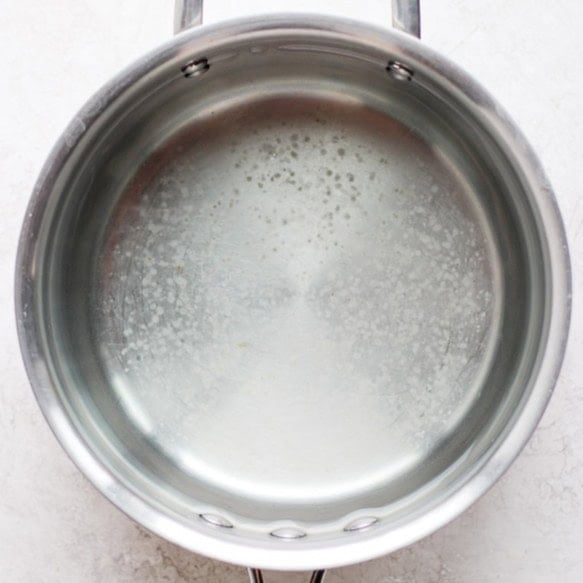
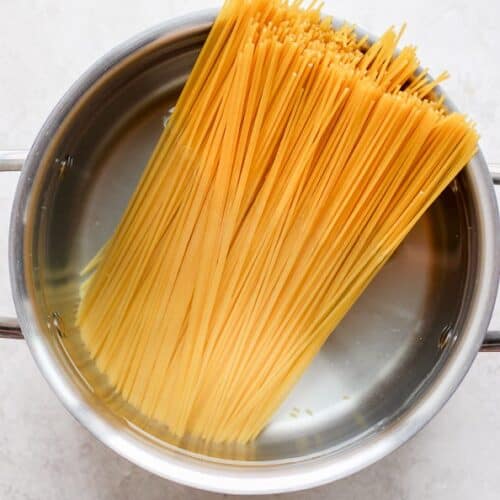
Fill a large pot with water and bring it to a rolling boil. A large pot gives the pasta plenty of room to move around as it cooks.
2. SALT THE WATER
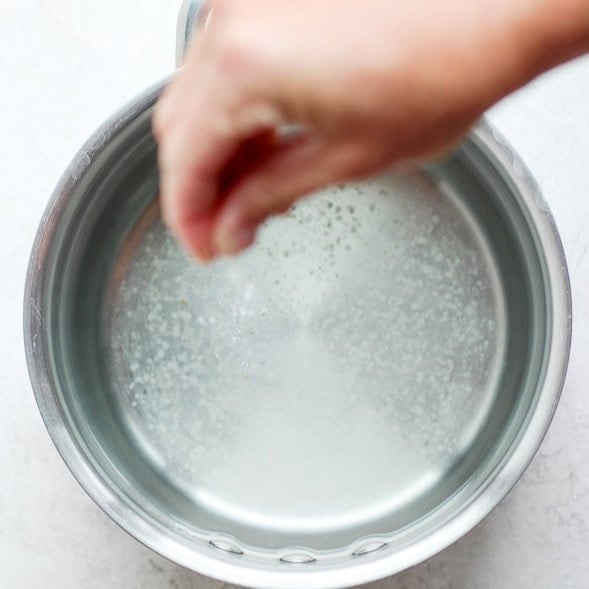
Once the water is boiling, stir in the salt. Salt generously, since this is the only chance to season the pasta itself.
3. COOK THE PASTA
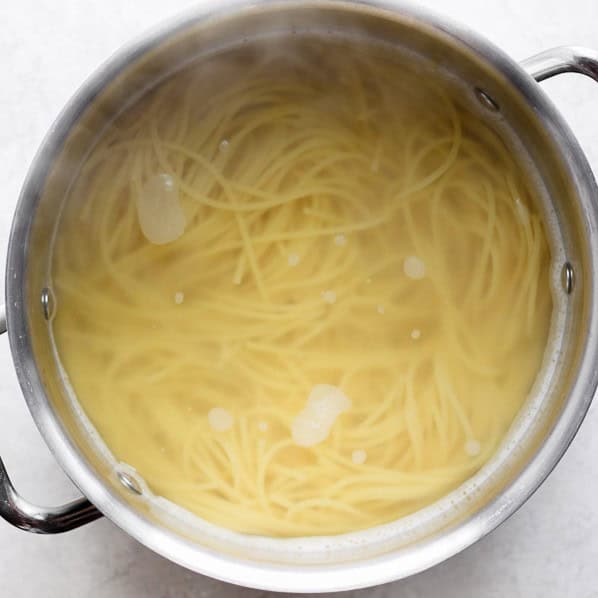
Add the dried pasta and stir for the first minute so it doesn’t stick together. Cook until it’s just shy of al dente, about one minute less than the package instructions recommend.
4. DRAIN AND FINISH
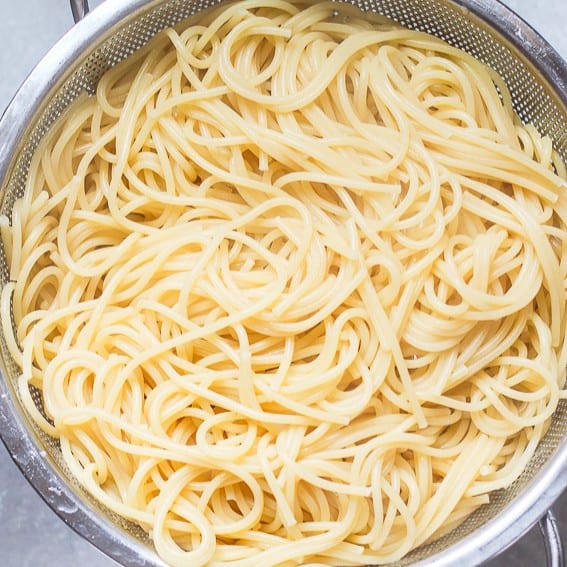
Drain the pasta without rinsing it so the starch stays on the surface and helps the sauce cling. If you’re not adding it to a sauce right away, toss it with a little olive oil to keep it from sticking together.
How to Cook Pasta for Pasta Salads
1. COOK UNTIL FULLY TENDER
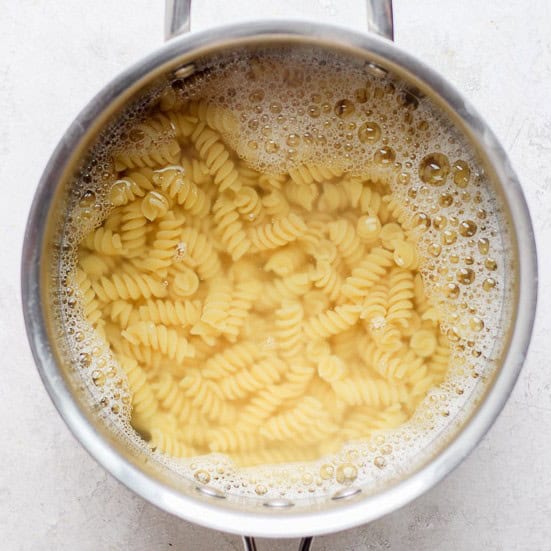
Follow Steps 1 and 2 above, then boil the pasta in well-salted water according to the package directions. Unlike pasta for warm sauces, I don’t undercook it here, because it will firm up slightly once it’s cold.
2. DRAIN AND COOL
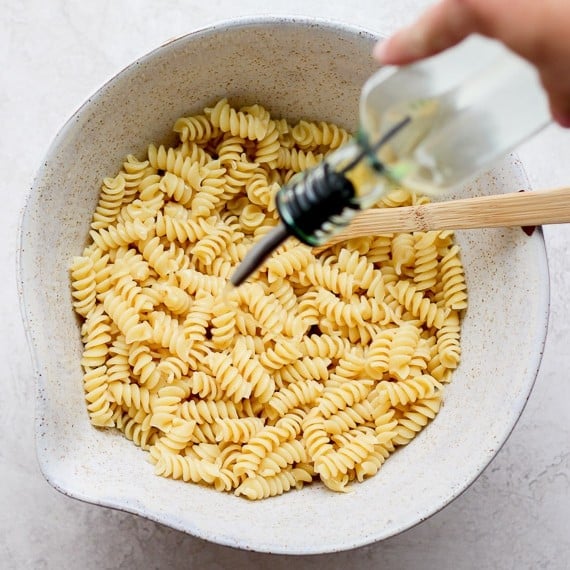
Drain the pasta and let it cool briefly without rinsing. Toss it with a little olive oil while it’s still warm, then let it cool completely before refrigerating or mixing with the rest of your pasta salad ingredients.
Video Tutorial
Full How to Cook Pasta Tutorial
How to Cook Pasta
Video
Ingredients
- 1 pound pasta dried
- 6 quarts water
- 3 tablespoons salt
Instructions
- Fill a pot with six quarts of water, then bring to a boil.
- Add the salt, followed by the dried pasta.
- Stir until the water returns to a boil.
With a Sauce or Cooling for Later
- Cook for one minute less than the packaged instructions.
- Strain and cool briefly, but do not rinse. Toss in olive oil.
- When ready to use, add to warm sauce and finish cooking or chill.
With a Cold Salad
- Cook according to packaged instructions
- Strain and cool briefly, but do not rinse. Toss in olive oil.
- Cover and place in the refrigerator.
Equipment
Notes
Nutrition
Nutrition information provided is an estimate. It will vary based on cooking method and specific ingredients used.
Tutorial Tips
- Use enough water. Crowding pasta into a small pot drops the water temperature and gives the noodles less room to move, making them more likely to stick together.
- Don’t rely only on the package time. Different brands and pasta shapes cook a little differently. Start tasting a minute or two before the suggested time so you can stop cooking the pasta when the texture is right.
- Save some pasta water before draining. Reserve about 1 cup of the starchy pasta water before you drain it. It helps loosen thick sauces and makes them cling to the noodles better.
Recipes to Make with Pasta
- Lemon Ricotta Pasta
- Greek Pasta Salad
- Spicy Shrimp Pasta
- Italian Pasta Salad
- Creamy Mushroom Pasta
- Pasta Bolognese
FAQs
Pasta usually sticks together when it isn’t stirred during the first minute of cooking or when there isn’t enough water in the pot. Give it a few good stirs right after adding it to the boiling water so the noodles have a chance to separate.
It probably cooked for too long. Start checking the pasta a minute or two before the package directions suggest, especially if you’ll be finishing it in a sauce. It should still have a slight bite when you drain it.
I don’t recommend it because different shapes cook at different rates, so some will be overcooked before others are done.
Technically, yes, but it takes a good two to three minutes longer than the stovetop, and you have to do it in a large microwaveable container. It’s not my preferred method, but it can work if you don’t have a stovetop.
Pasta is one of those foods that can go beyond its expiration date, but it might taste bland. However, I don’t recommend using expired egg noodle pastas like pappardelle and tagliatelle, because they may become rancid. Use the sniff test before you cook.
Most 1 lb. boxes of spaghetti contain 8 servings, which is 2 ounces per serving. Realistically, I recommend making 3 to 4 ounces per adult.






Comments
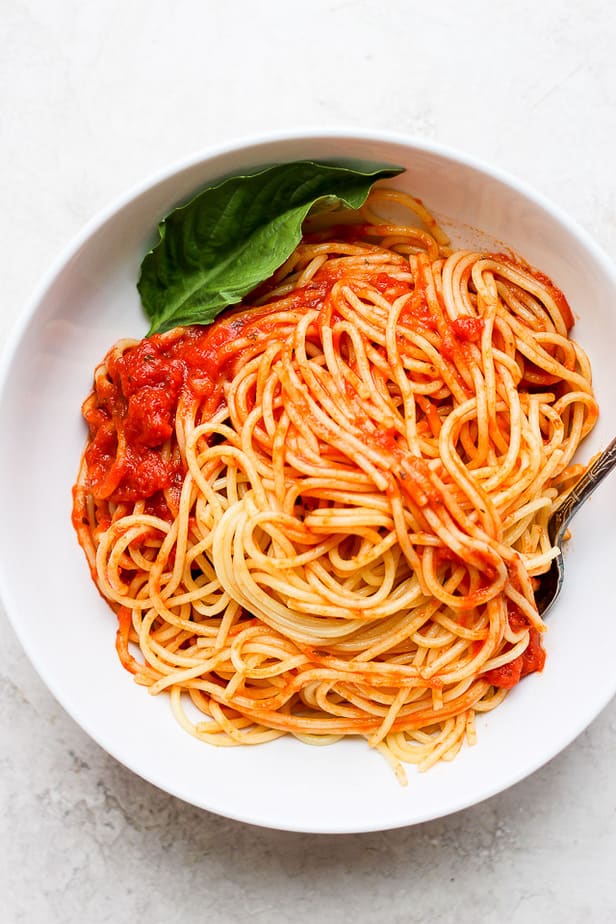
So helpful, thank you! And just to be sure, I can use the pasta tossed in olive oil for spaghetti with marinara sauce correct? Also, how much olive oil do you recommend we toss the pasta in? Is it just a light coating?
Yes, you can! You just need enough olive oil for a light coating.
Helpful, thank you. How about when cooking pasta for a casserole that will be frozen?
Al dente works best!
See All Comments