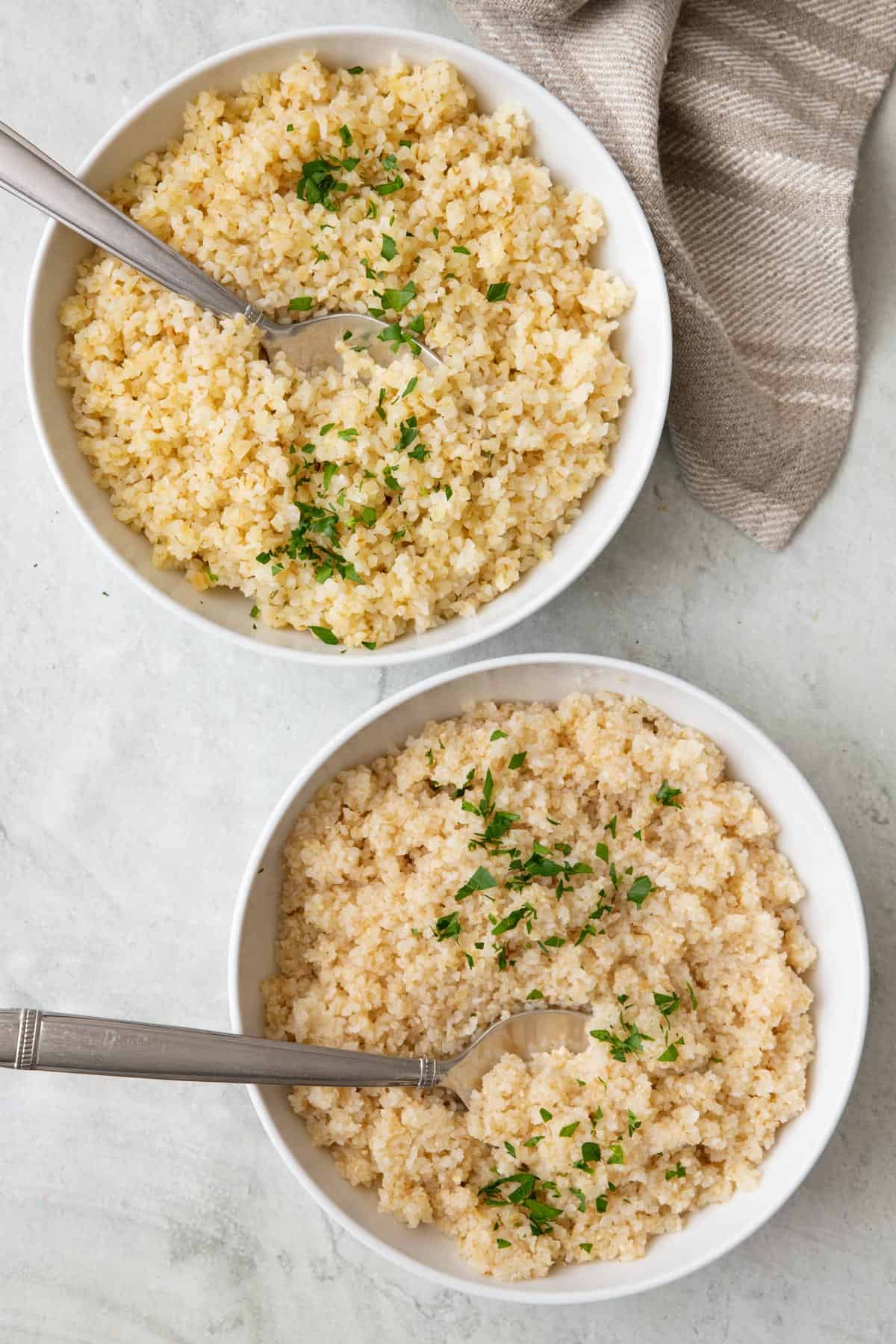
How to Cook Bulgur Wheat

Updated Jan 28, 2026
How to cook bulgur wheat using fine, medium, or coarse grains, with easy instructions, cooking times, and tips for getting the texture just right.
I may earn commissions on purchases through links in this post. As an Amazon Associate I earn from qualifying purchases. Please read our disclosure policy.
Jump to Section
Bulgur Wheat Is One Of My Top Grains To Make!

Bulgur wheat is one of those pantry staples I reach for all the time, and it quietly shows up in more of my meals than almost anything else. I grew up eating it in everything from Tabbouleh, Bulgur Salad, and Bulgur Pilaf to simple bowls topped with yogurt or vegetables. Bulgur works just as well in fresh salads as it does as a warm base for stews or roasted veggies, which makes it an easy go-to in my kitchen.
What I’ve learned over the years is that not all bulgur cooks the same way. Fine, medium, and coarse bulgur each need slightly different treatment, and cooking them the same way can lead to mushy or undercooked results. This tutorial walks through how I cook bulgur wheat depending on the grind, so I get the texture I want every time.
Happy Cooking!
– Yumna
Bulgur Wheat Ingredients
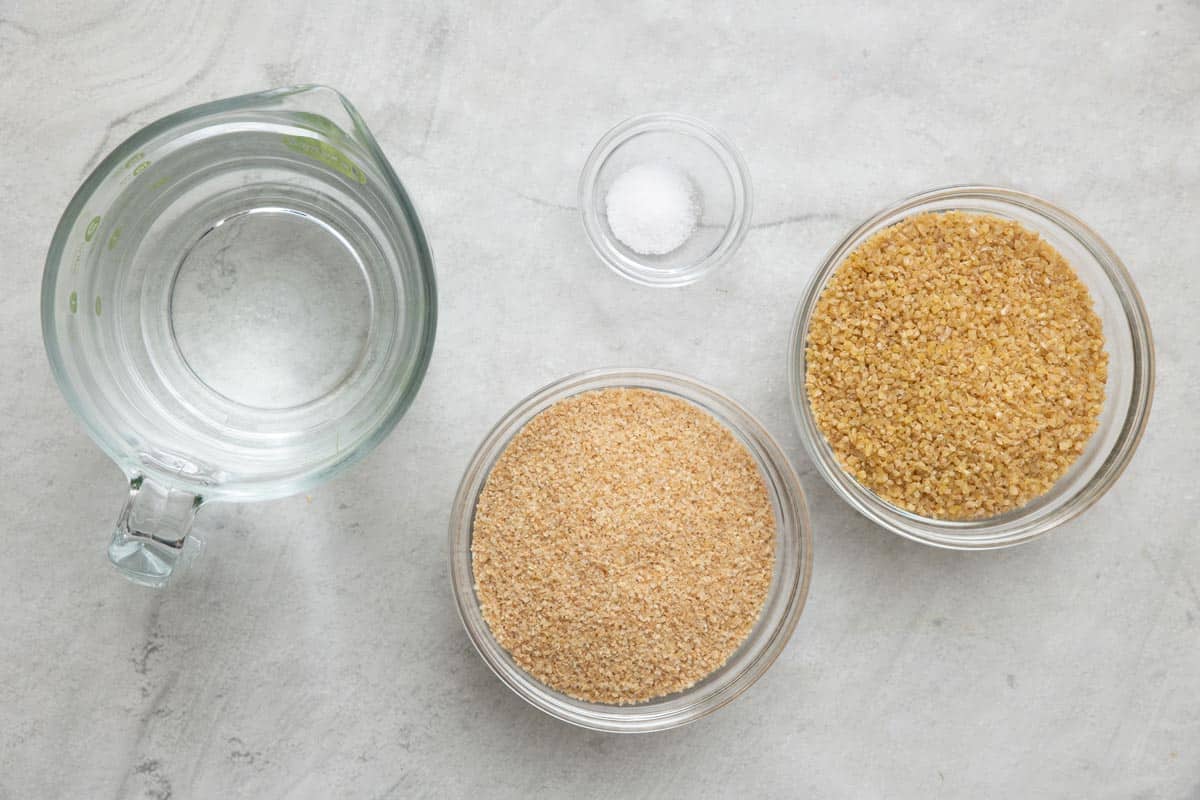
- Bulgur Wheat: When choosing the right type of bulgur wheat for your dish, think about the texture and what you’re making. Fine bulgur wheat works best for dishes that call for a delicate texture. And when you’re looking for a firmer, heartier texture (think: pilafs or grain salads), medium bulgur wheat is your go-to choice. Coarse bulgur wheat is perfect for dishes that benefit from a chewy, robust texture. Make sure to follow the specific cooking instructions for the grain size you’re using!
- Water: You can use water or your favorite stock to cook bulgur wheat, depending on the depth of flavor you’re going for. Water lets the natural, nutty taste of bulgur wheat come through, but you can also use vegetable stock, chicken stock, or beef stock to infuse your bulgur wheat with a deeper, richer flavor.
- Salt: Adding salt to your cooking liquid is a must for seasoning your bulgur wheat! It’ll bring out its natural flavors and enhance the overall taste of your dish. The amount of salt can be adjusted according to your personal preferences or dietary needs. If you’re using stock in place of water, be mindful of the sodium content in the stock.
How to Cook Bulgur Wheat
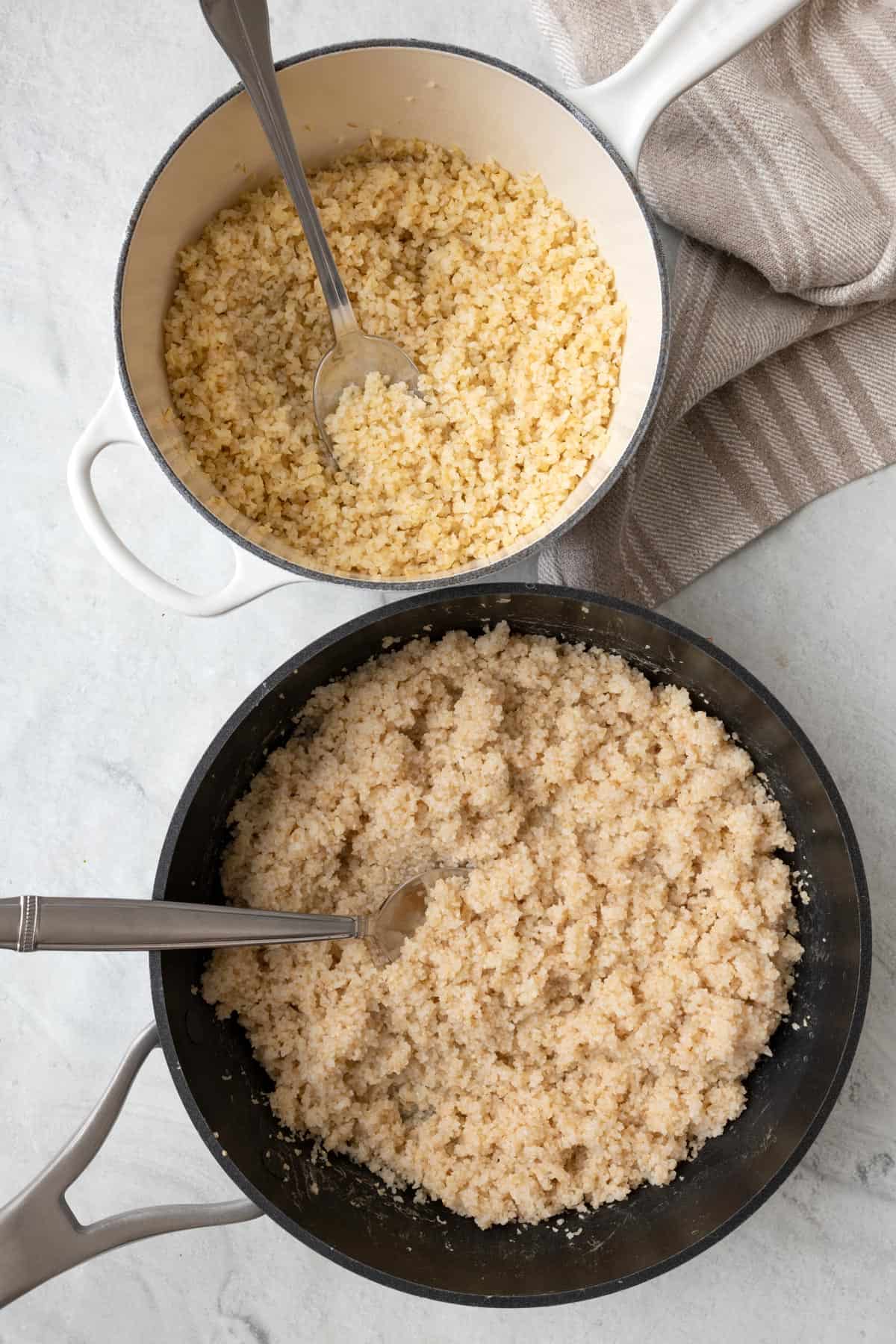
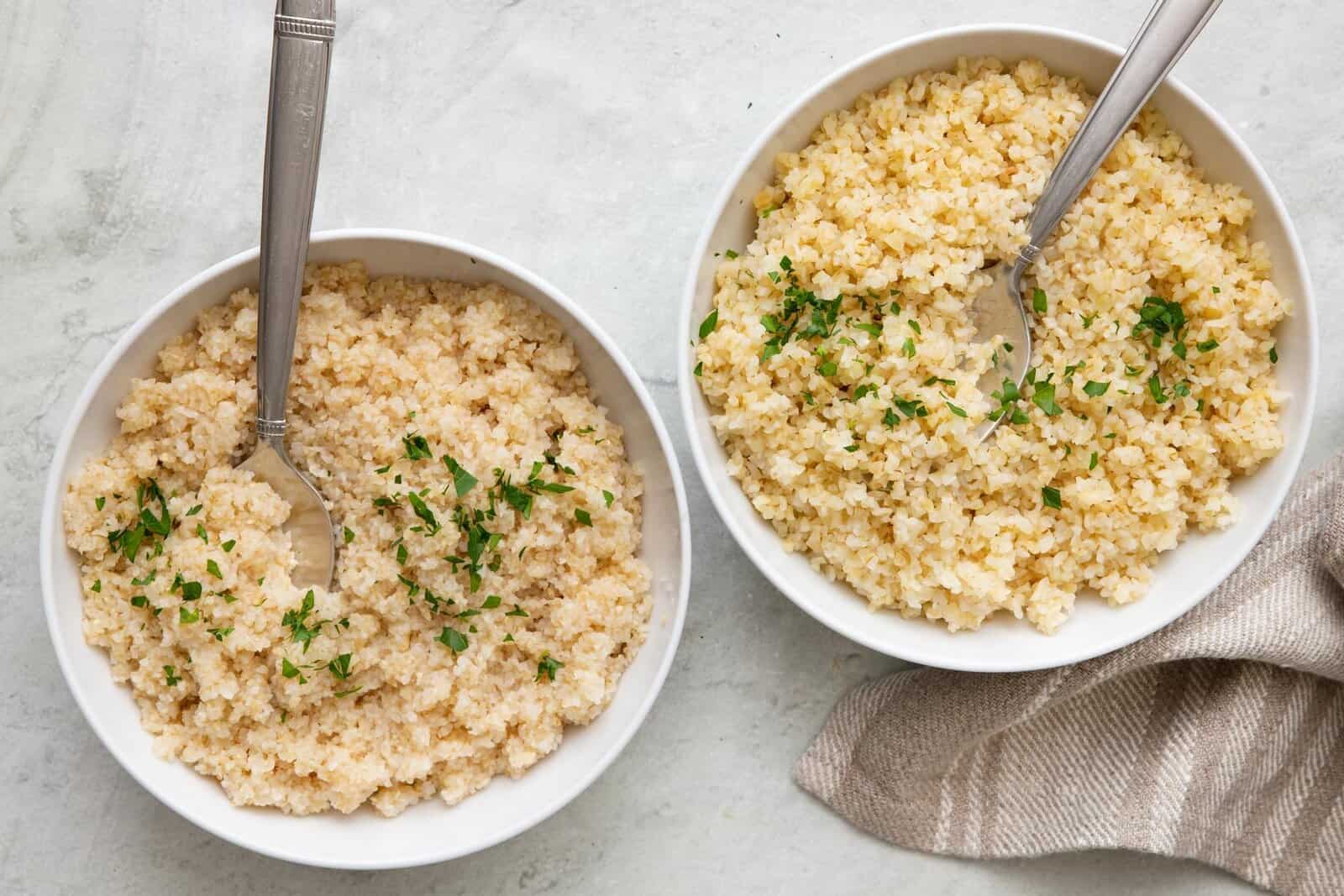
Bulgur wheat comes in a few different grinds, and the cooking method changes depending on which one you’re using. I’ll show you how to make bulgur wheat a few ways fine, medium, and coarse so you end up with the right texture every time.
How To Make Fine Bulgur Wheat
How To Make Medium & Coarse Bulgur Wheat
I may earn commissions on purchases through links in this post. As an Amazon Associate I earn from qualifying purchases. Please read our disclosure policy.

How to Cook Bulgur Wheat
Video
Ingredients
For Fine Bulgur
- 1 cup fine #1 bulgur wheat
- 2 cups water
- ½ teaspoon salt
For Medium or Coarse Bulgur
- 1 cup medium or coarse bulgur wheat
- 1 ½ cups water
- ½ teaspoon salt
Instructions
For Fine Bulgur
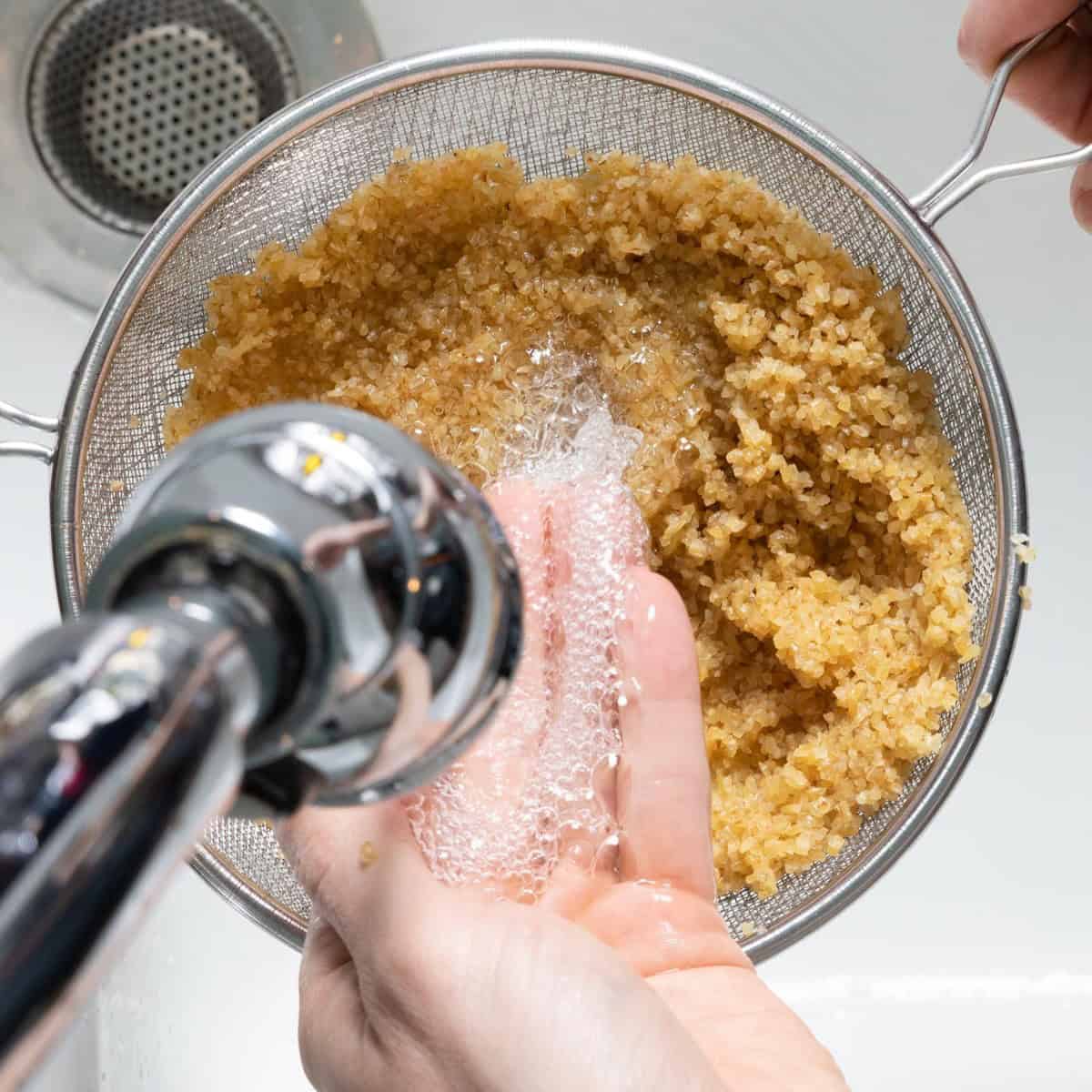
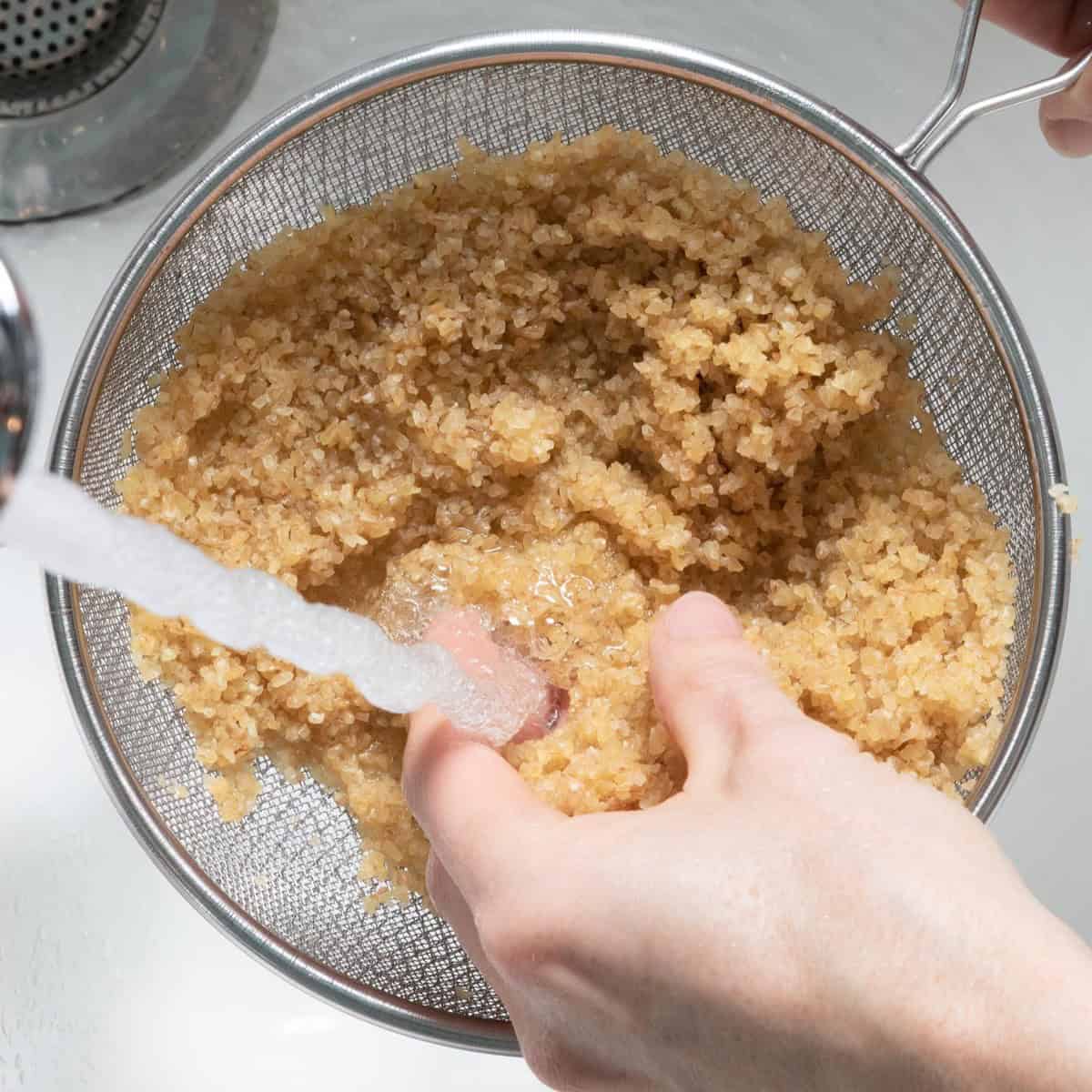
- Rinse bulgur in a colander with cold water, making sure to agitate it with your hands to rinse it until the water runs clear. Drain immediately.
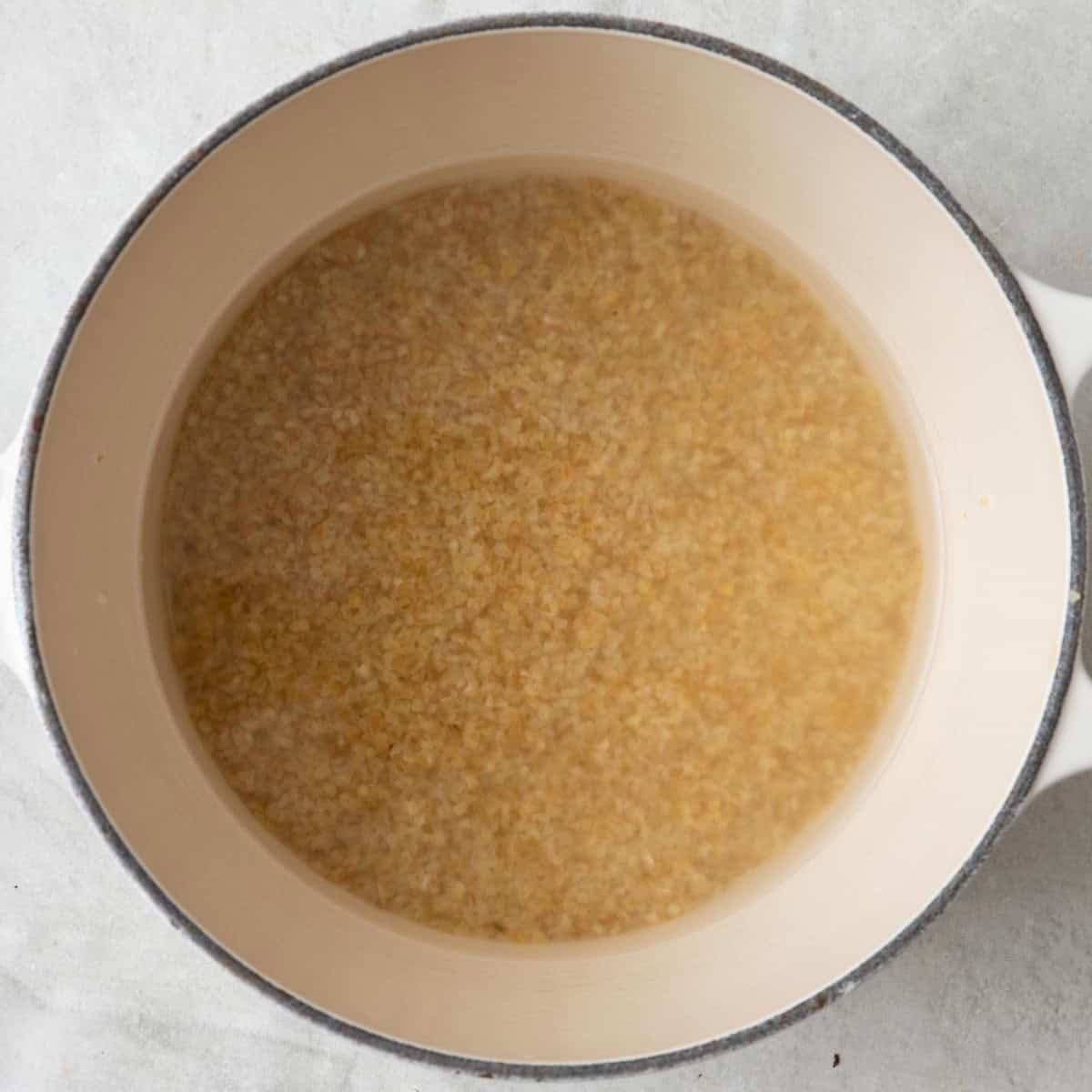
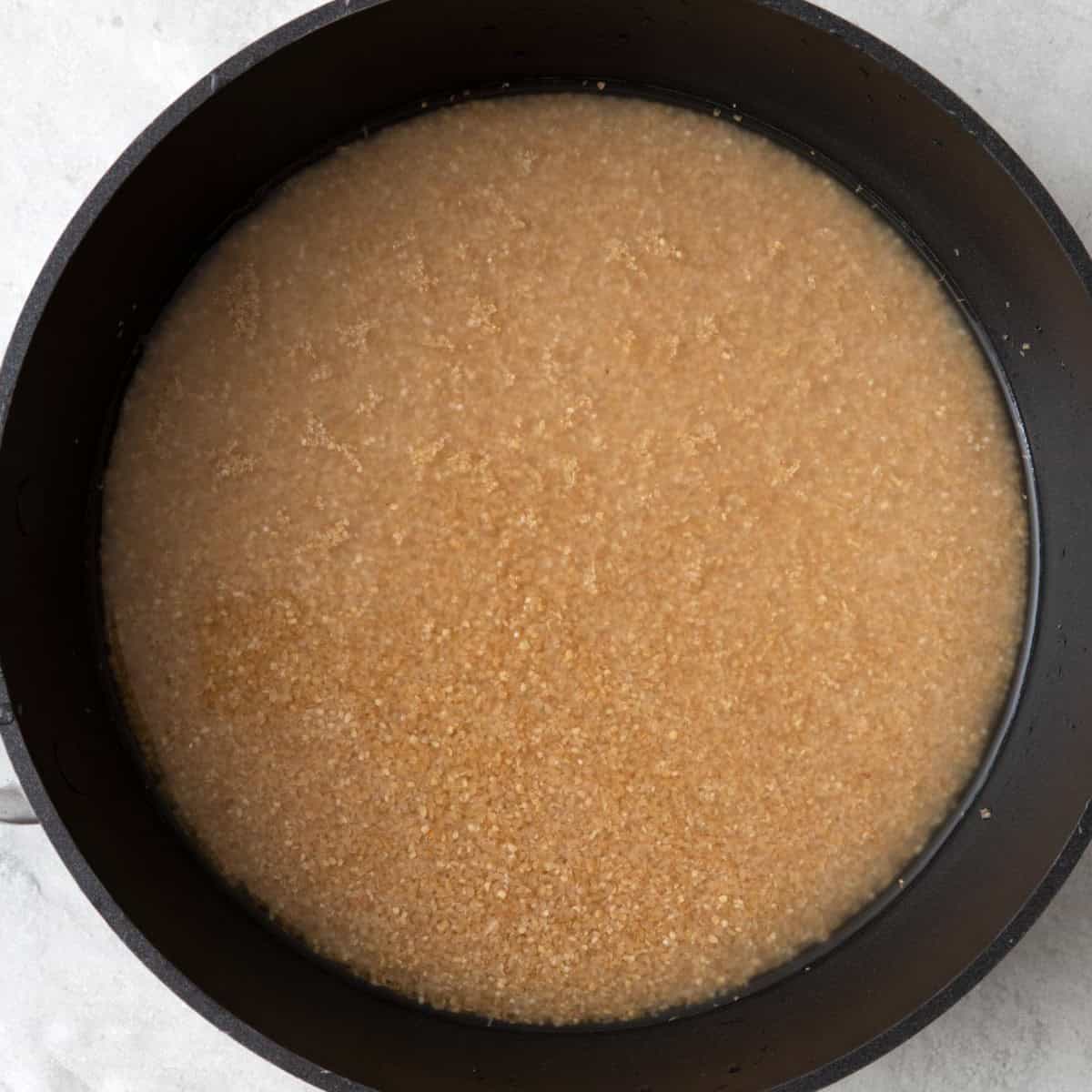
- In a medium saucepan, add the water and salt to a boil.
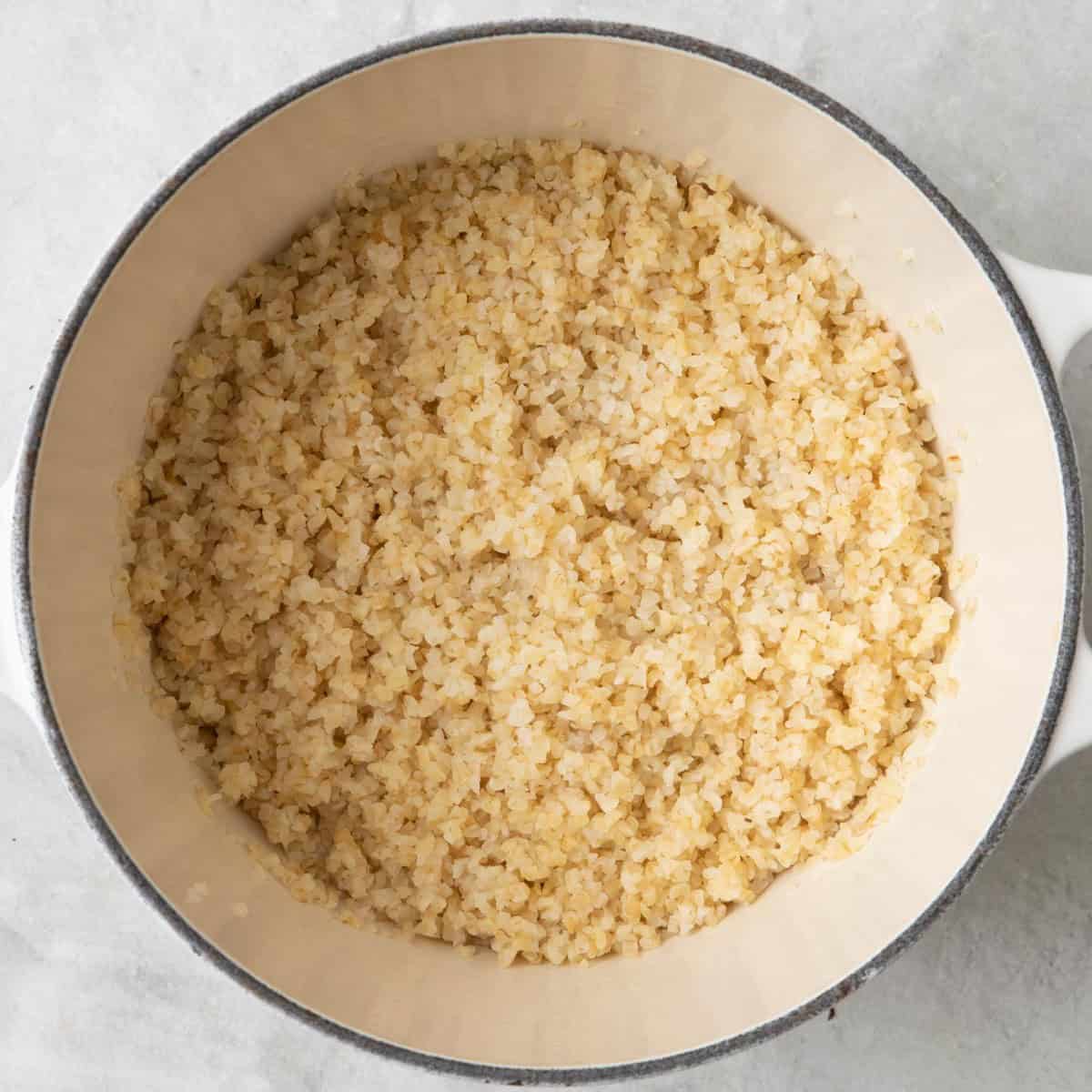
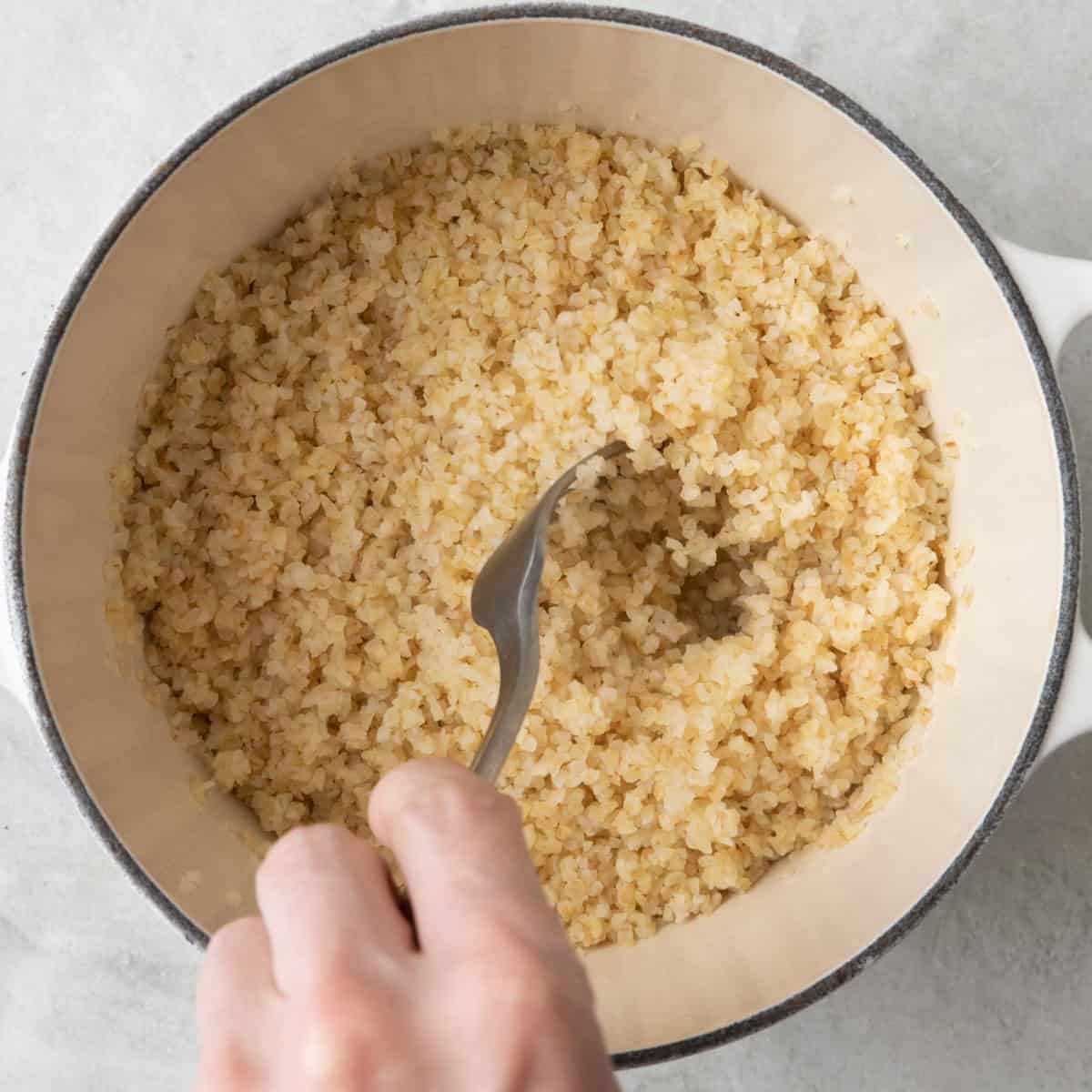
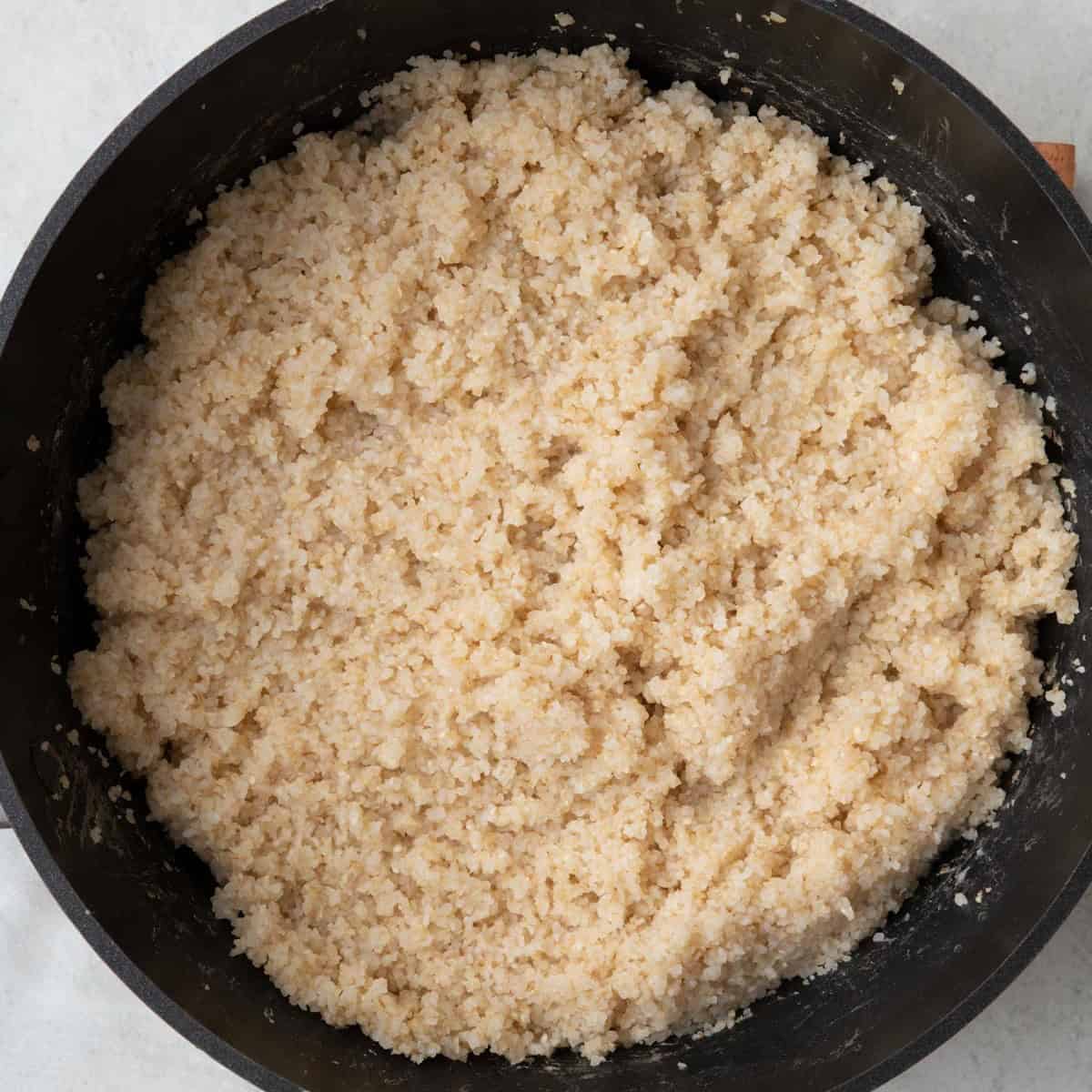
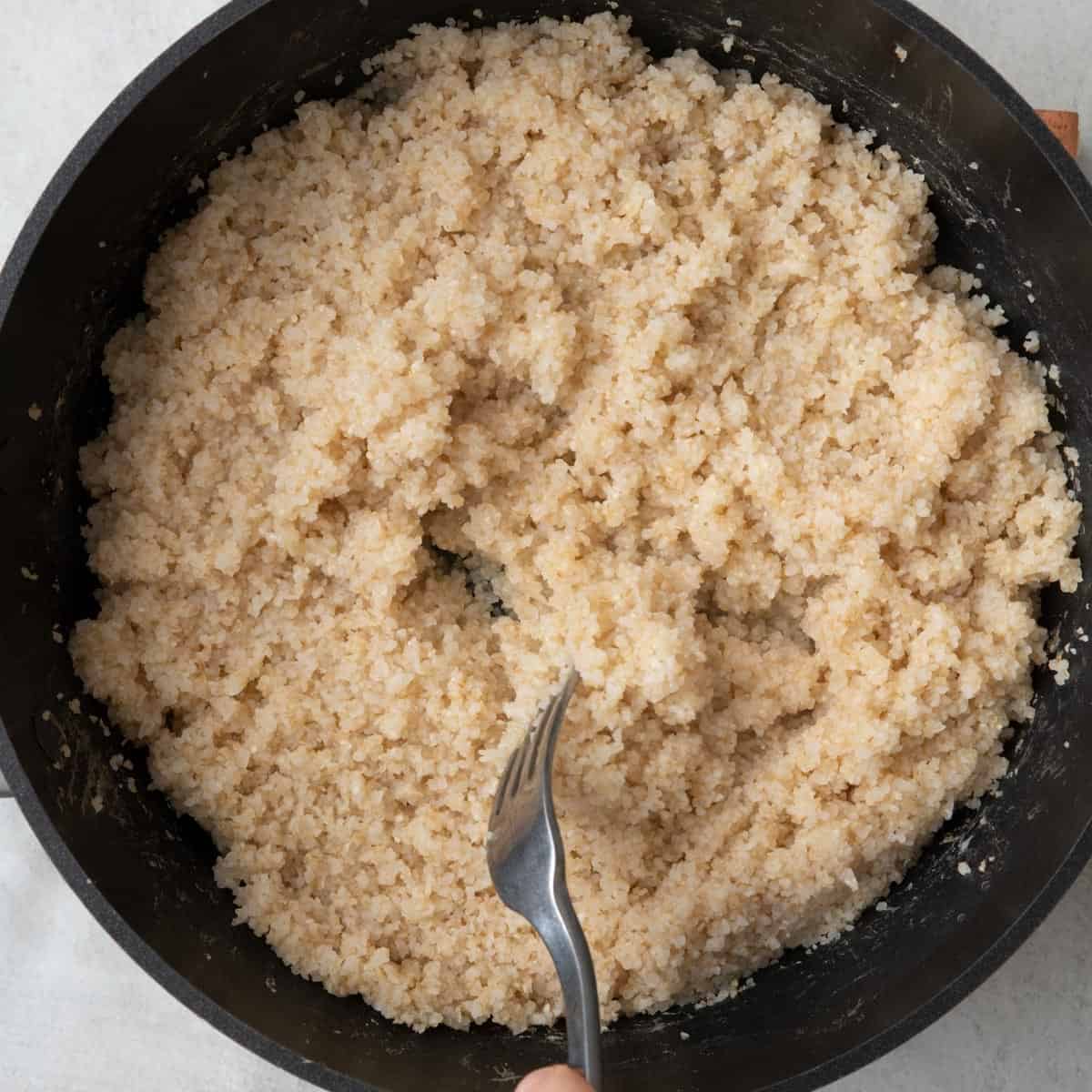
- Add the bulgur and stir. Remove from heat and let stand, covered, for 10 minutes. Fluff with a fork and serve.
For Medium or Coarse Bulgur
- Rinse bulgur in a colander with cold water, making sure to agitate it with your hands to rinse it until the water runs clear. Drain immediately.
- In a medium saucepan, add the water and salt to a boil.
- Add the bulgur and stir and bring the mixture to a boil again. Lower the heat to medium-low and cook the bulgur covered until tender and all the liquid is fully absorbed, 15 minutes. Remove from heat and let stand, still covered, for 5 minutes. Fluff with a fork and serve.
I may earn commissions on purchases through links in this post. As an Amazon Associate I earn from qualifying purchases. Please read our disclosure policy.
Equipment
Notes
- My Top Tip: Let your bulgur wheat steam! After removing from the heat, allow it to rest, covered, for a few minutes before fluffing it with a fork. This steaming process will give you a light, fluffy texture and prevent the grains from clumping together.
- Storage: Store any leftovers in an airtight container in the refrigerator for up to 4 days. Reheat gently in the microwave or on the stovetop with a splash of water or stock to prevent it from drying out.
- Freezing: Allow the cooked bulgur wheat to cool completely to room temperature. Spread the bulgur wheat out on a baking sheet lined with parchment paper or a silicone mat in a thin, even layer. Place the baking sheet in the freezer for about 1-2 hours, or until the bulgur wheat is frozen. Transfer the frozen bulgur into airtight containers or heavy-duty freezer bags. Be sure to label the containers or bags with the date and contents. Store the bulgur wheat in the freezer for up to 3 months for the best quality.
Nutrition
Nutrition information provided is an estimate. It will vary based on cooking method and specific ingredients used.
Tutorial Tips
- Always rinse your bulgur wheat before cooking. This step removes any debris or excess starch, giving you a cleaner and fluffier finished product. I like to use cold water!
- Watch the heat. When cooking medium or coarse bulgur, be careful not to let the heat get too high. A gentle simmer is key for tender, well-cooked grains (that won’t burn or stick to the pot).
- Fluff gently! When your bulgur wheat is ready, use a fork to gently fluff and separate the grains. Avoid using a spoon or spatula, as they can cause the grains to become mushy or sticky.
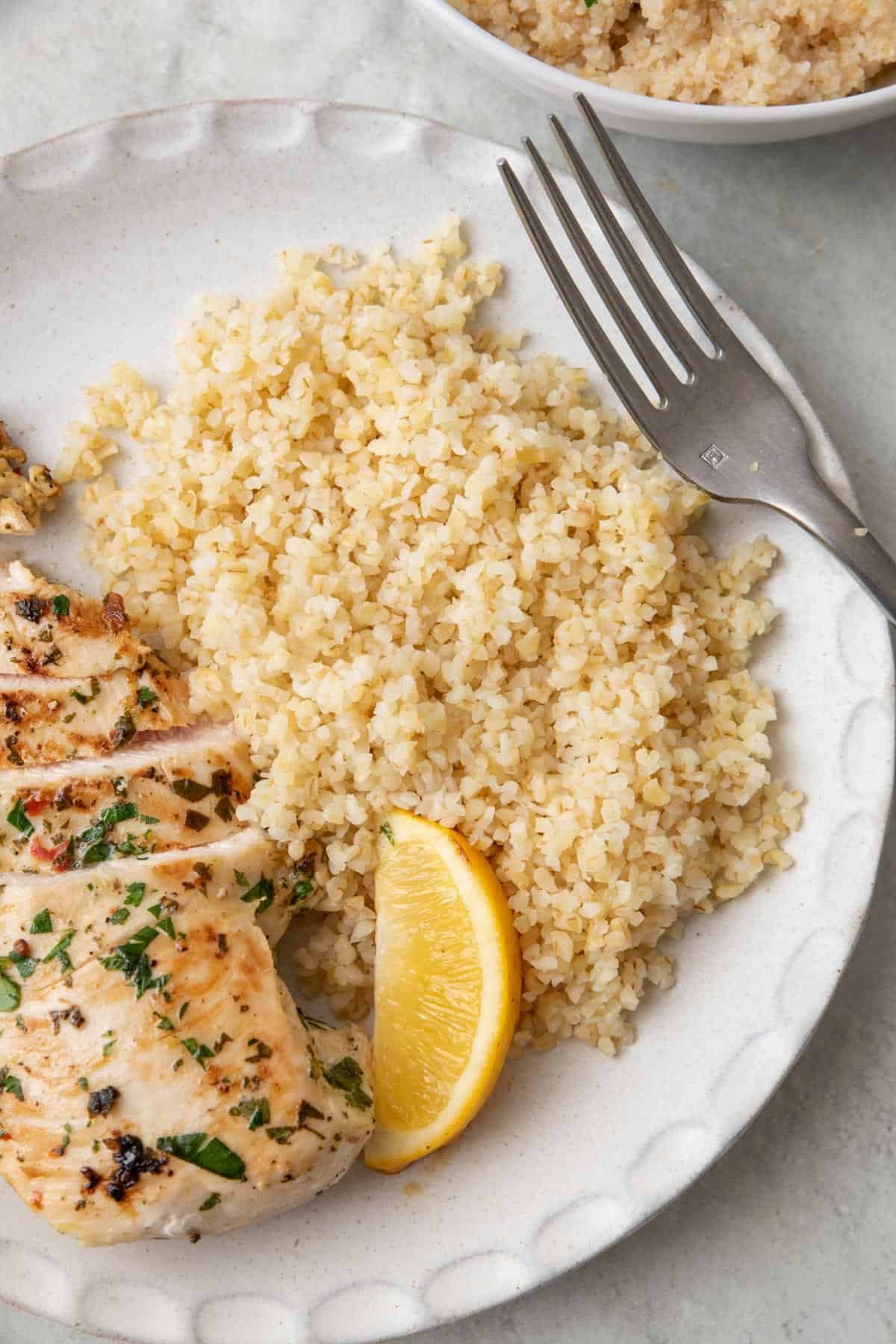
Recipes to Make with Cooked Bulgur Wheat
- Cilantro Chicken
- Bulgur Chickpea Salad
- Grilled Lamb Kabobs
- Okra Stew
- Lebanese Stuffed Eggplant
- Beef Kafta
FAQs
The numbers on bulgur wheat packages correspond to the grain size. Generally, #1 indicates fine bulgur, #2 is medium, #3 is coarse, and #4 is extra coarse. Each size has a unique texture and is suitable for different dishes, as well as requiring specific cooking methods.
Yes, you can use a rice cooker or Instant Pot to cook bulgur wheat. In a rice cooker, follow the manufacturer’s instructions for cooking times and water-to-grain ratios. For Instant Pot, use a 1:1.5 ratio of bulgur to liquid for medium or coarse bulgur, and cook on high pressure for 10 minutes, followed by a 10-minute natural pressure release.