Lemon Ricotta Pancakes

Updated May 05, 2026
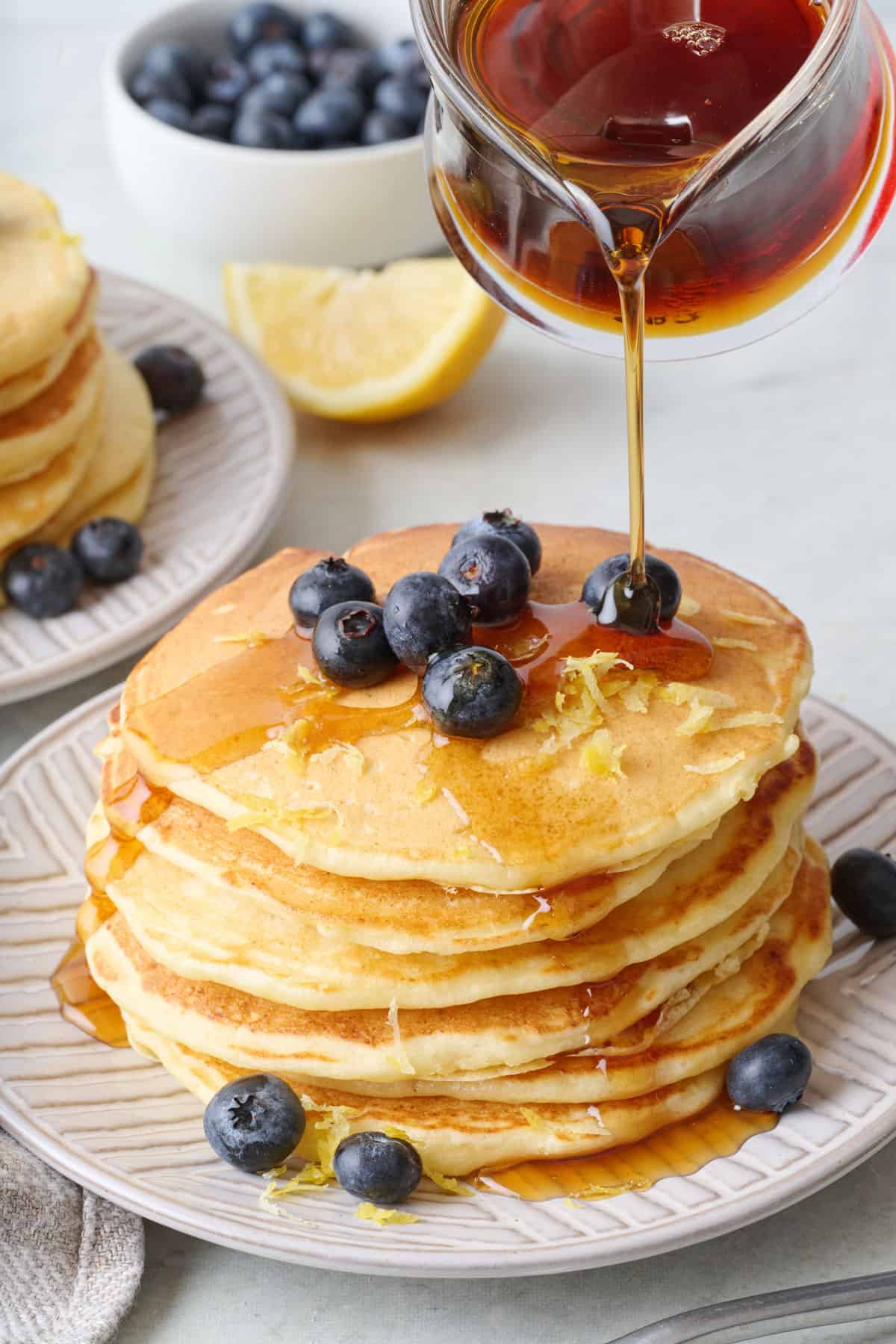
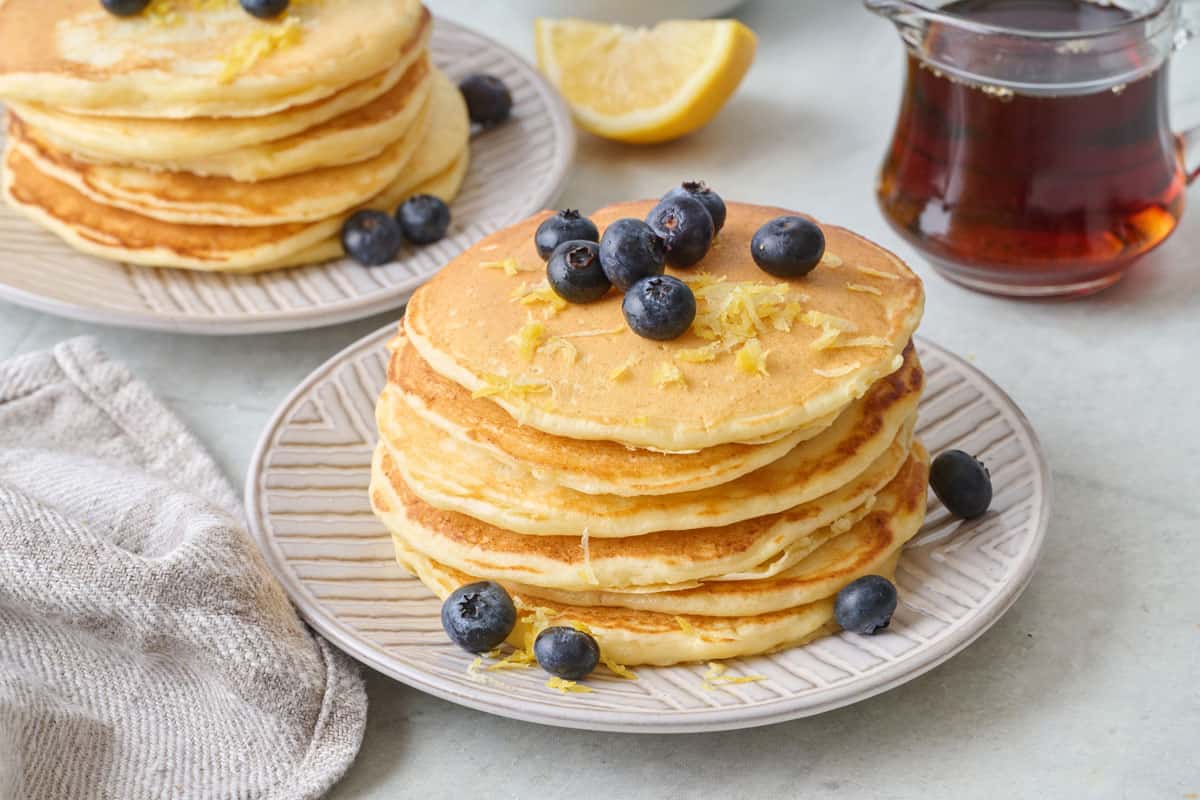
These fluffy lemon ricotta pancakes are made with fresh lemon zest and creamy ricotta - an easy breakfast recipe that’s full of so much flavor
This post may contain affiliate links. Please read our disclosure policy.
Jump to Section
Pancakes with Lemon & Ricotta!

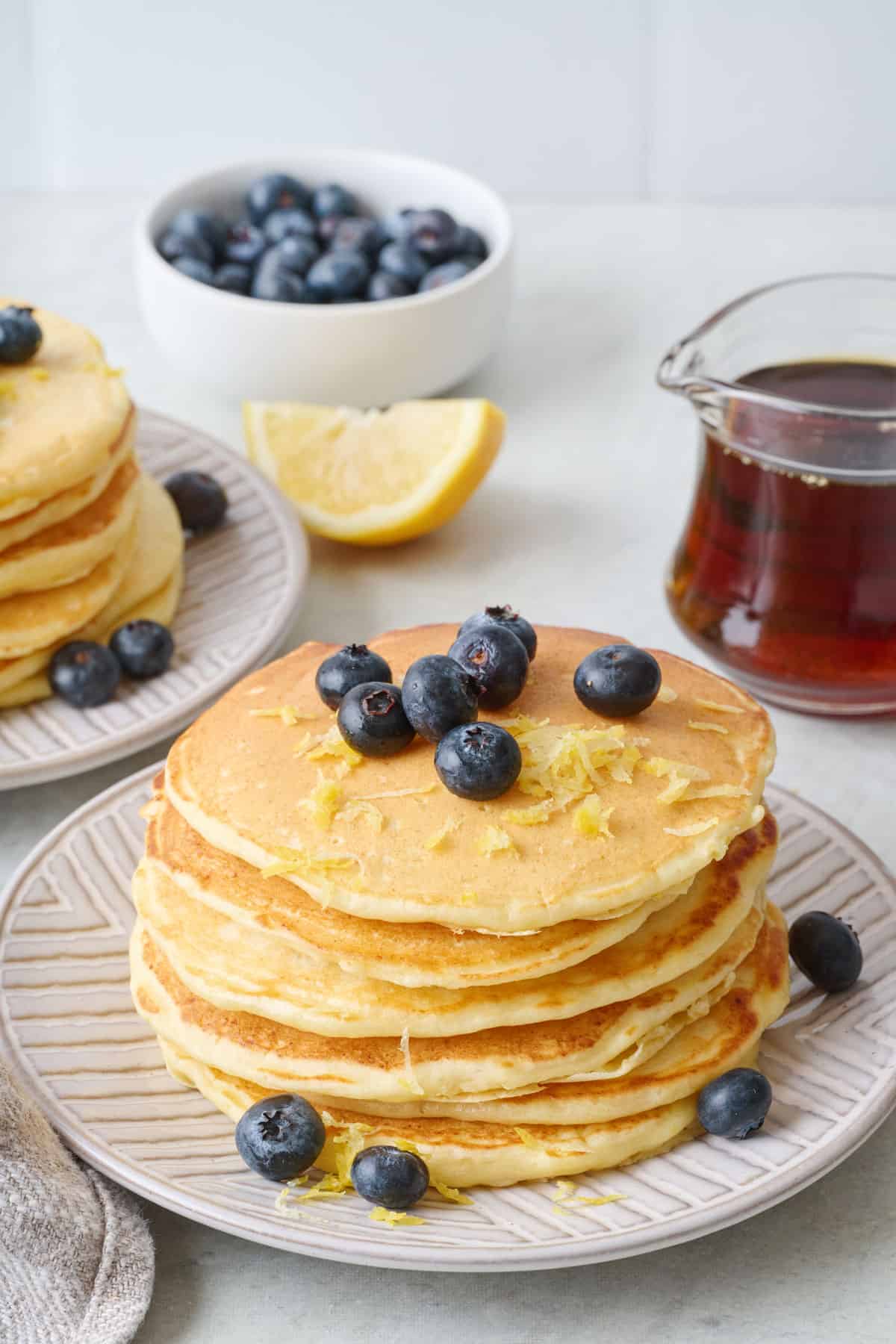
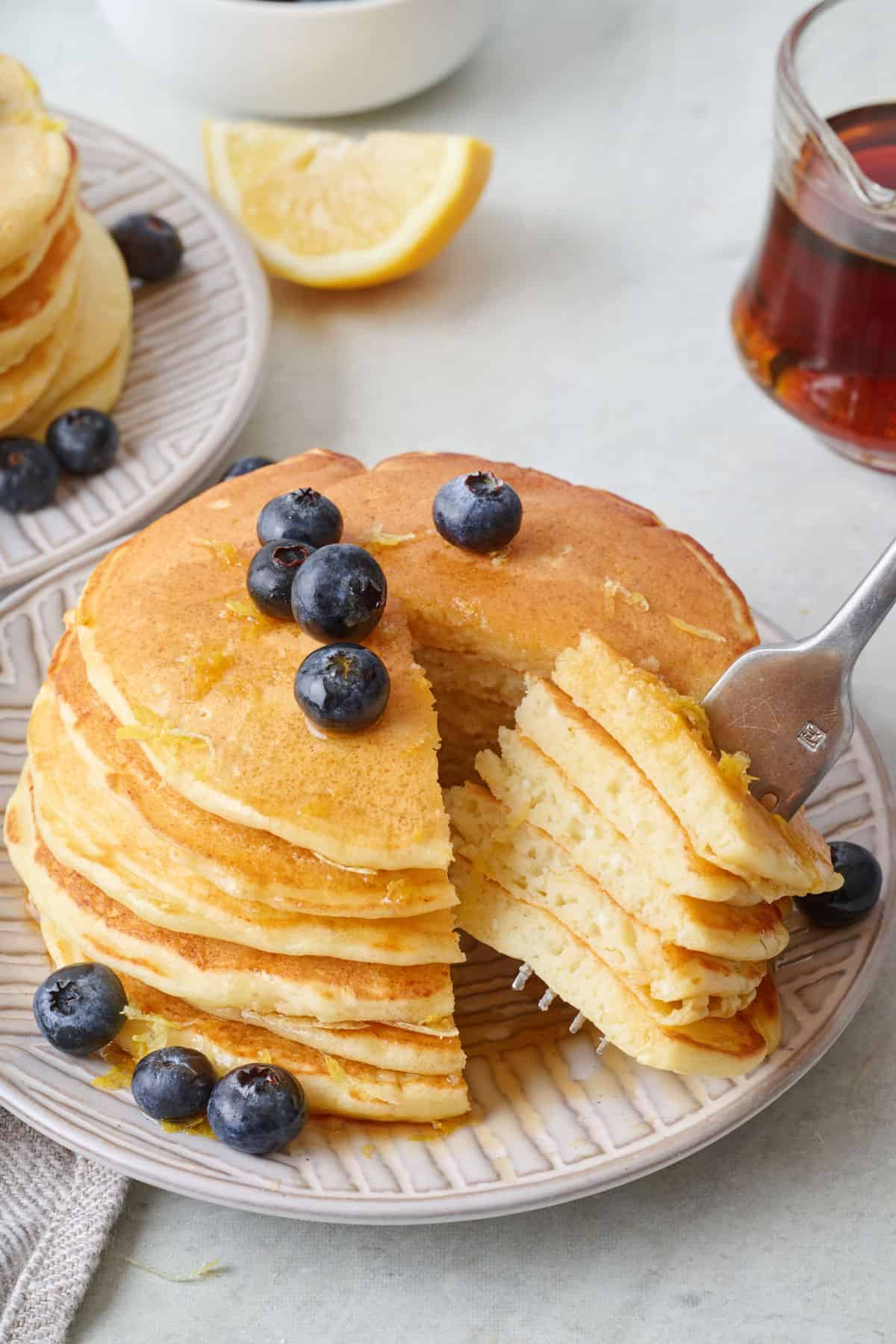
We love fruit pancakes in my house like blueberry pancakes, banana pancakes and strawberry pancakes, but these lemon ricotta pancakes might just be my new favorite! They’re as simple as regular pancakes but feel a bit more special, and the texture is soft and fluffy and the taste is slightly creamy and lemony. Don’t worry about the pancakes tasting cheesy. Ricotta is really mild and just adds a touch of sweetness that works well with the lemon.
Happy Cooking!
– Yumna
Lemon Ricotta Pancake Ingredients
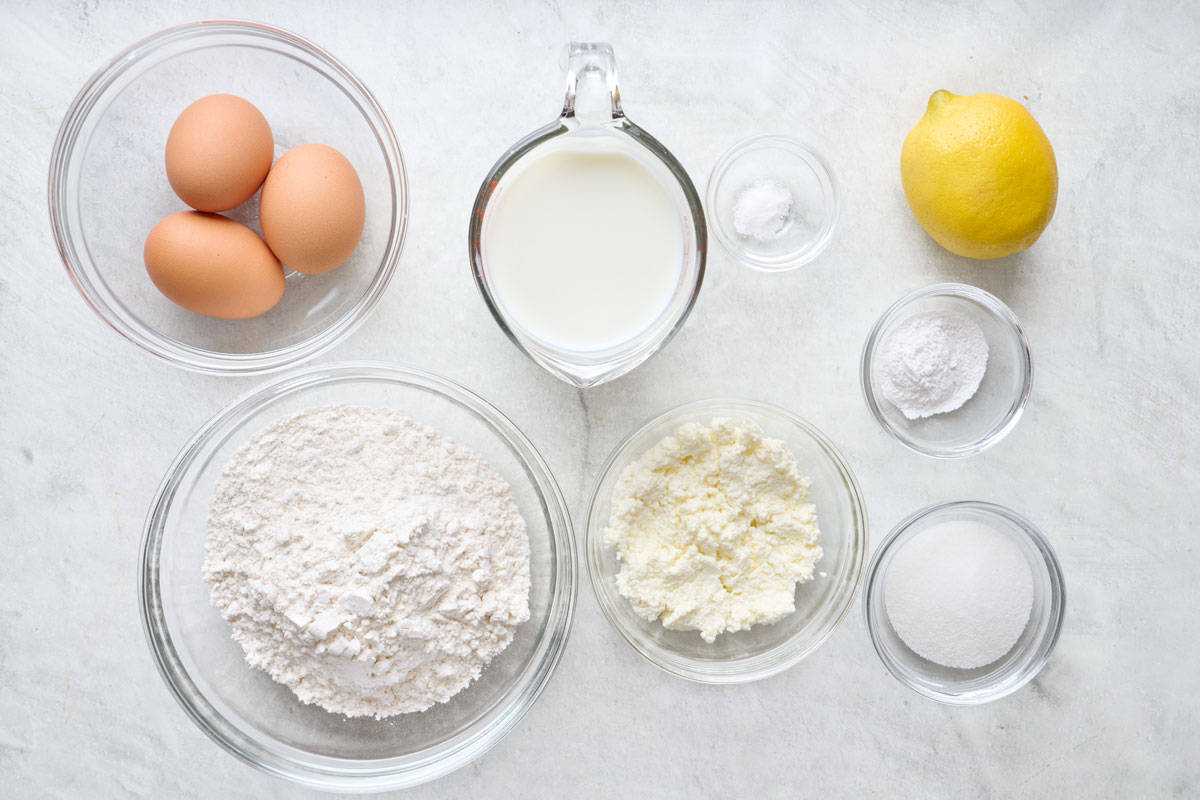
- Dry Ingredients: You’ll need granulated white sugar, baking powder, a pinch of salt, and all-purpose flour for this pancake batter. You can sub in 1:1 gluten-free flour if you like!
- Ricotta Cheese: Whole milk ricotta cheese is best here, but a lower-fat ricotta will work, too.
- Lemon: Go for fresh, medium-sized lemons (you’ll need the zest and the juice). Orange zest will also work!
- Eggs: Use room temperature eggs if possible. They will mix better with the batter.
- Milk: I prefer whole milk for this recipe, but you can sub in almond or coconut milk as well.
How to Make Lemon Ricotta Pancakes

Lemon Ricotta Pancakes
Video
Ingredients
- 1 ½ cups all-purpose flour
- 2 tablespoons granulated sugar
- 2 teaspoons baking powder
- ¼ teaspoon salt
- 1 cup whole milk
- 3 eggs
- ½ cup ricotta cheese
- 1 large lemon zest and juice
- Cooking spray for greasing the pan
- Maple syrup for serving
- Blueberries for serving
Instructions
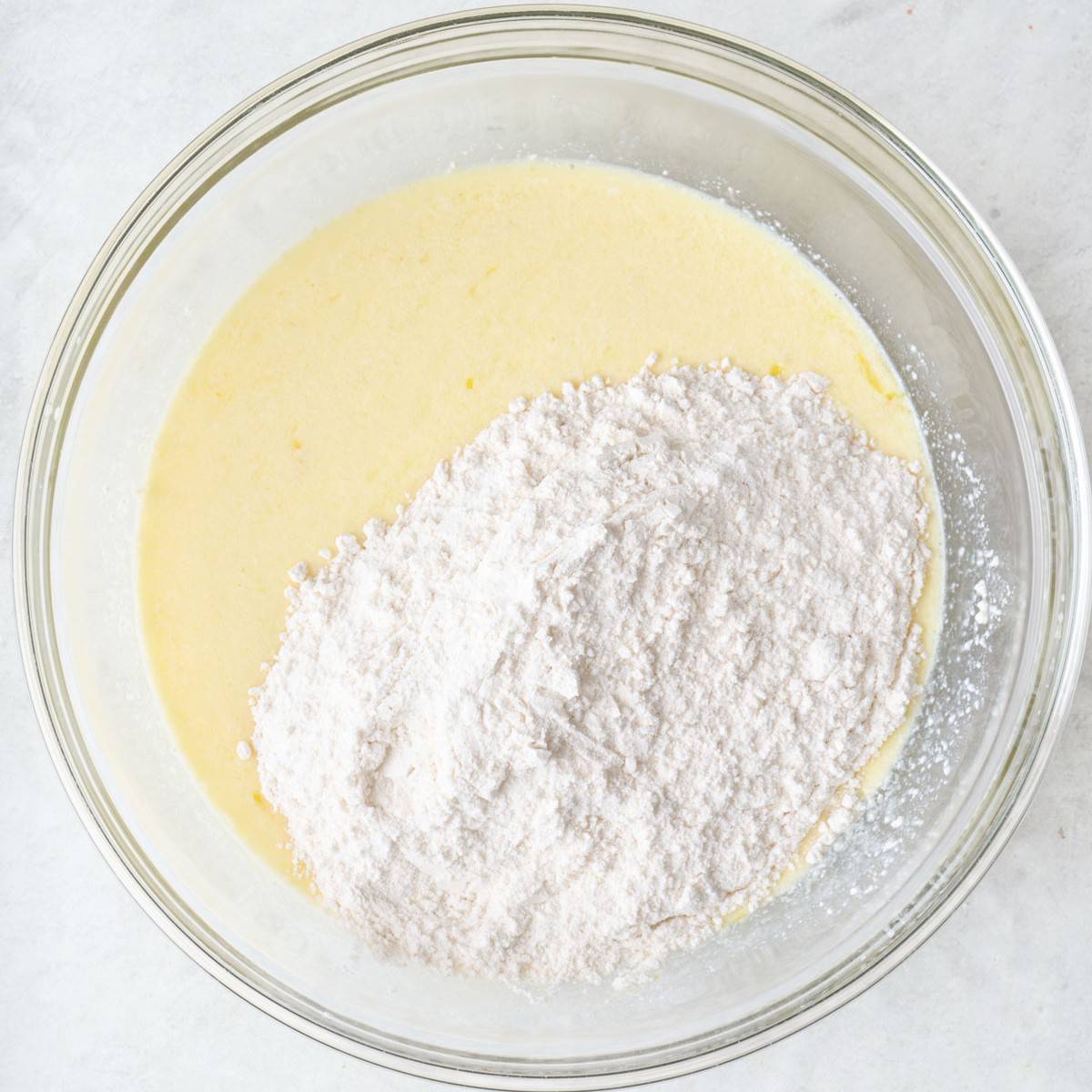
- In a large bowl, whisk the flour, sugar, baking powder and salt together.
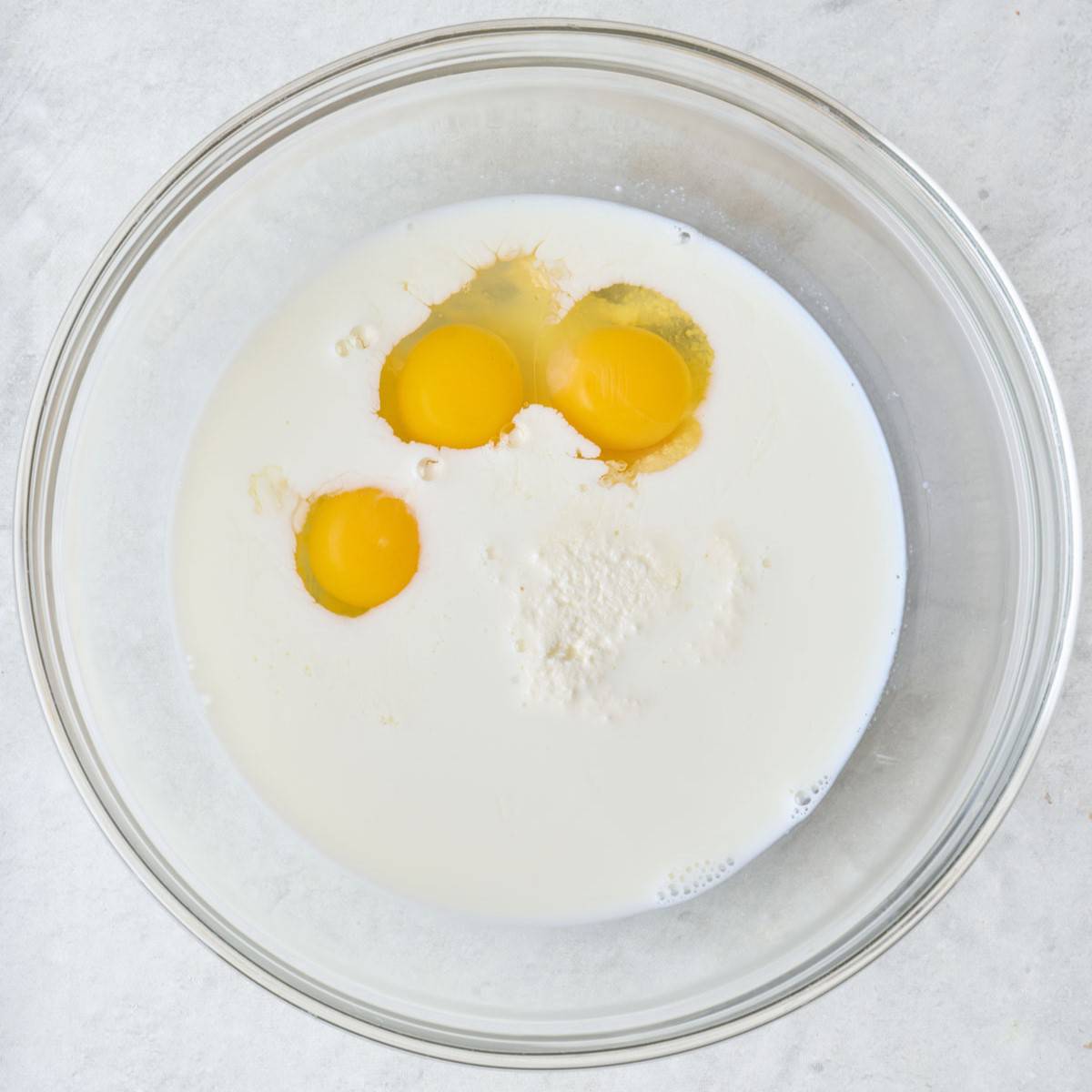
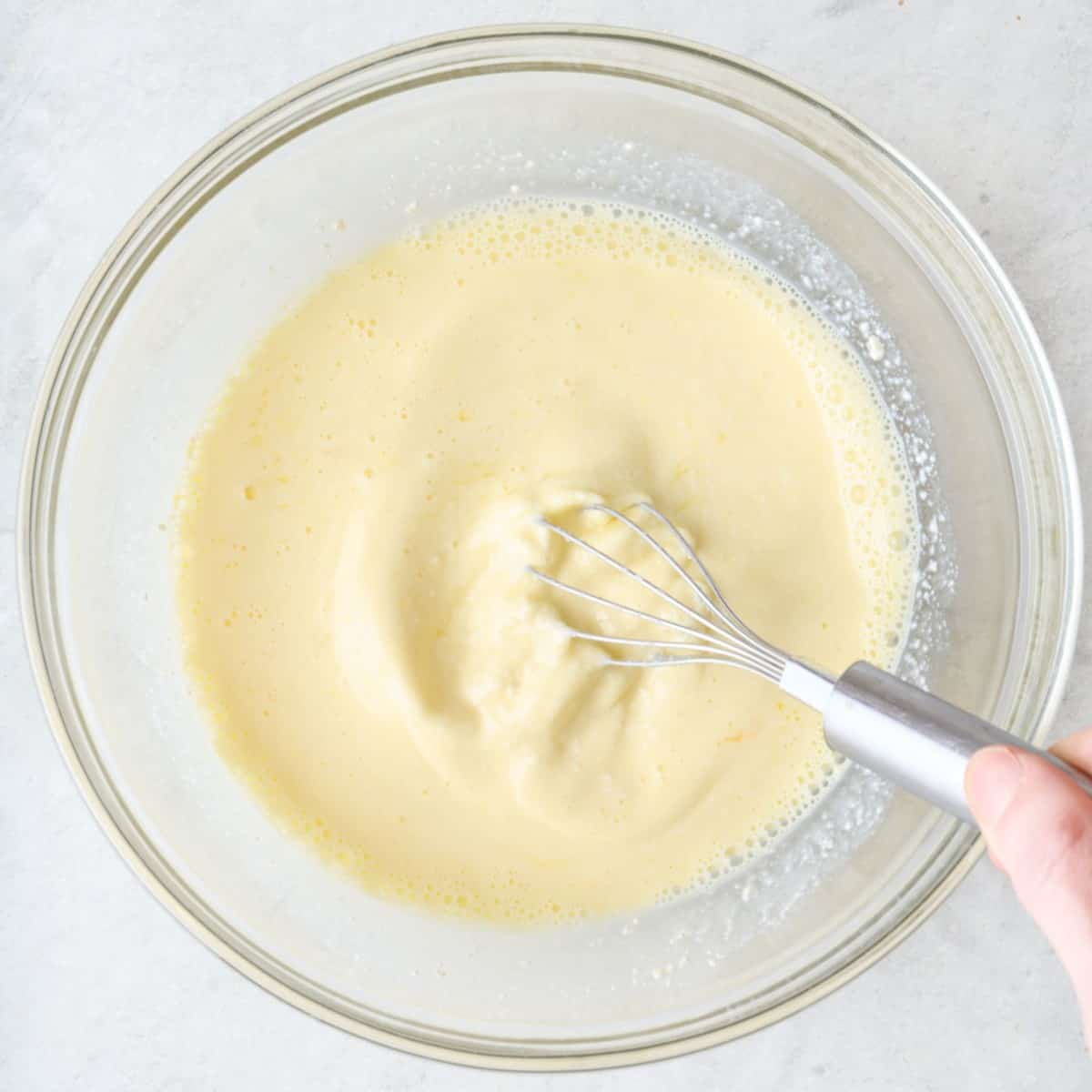
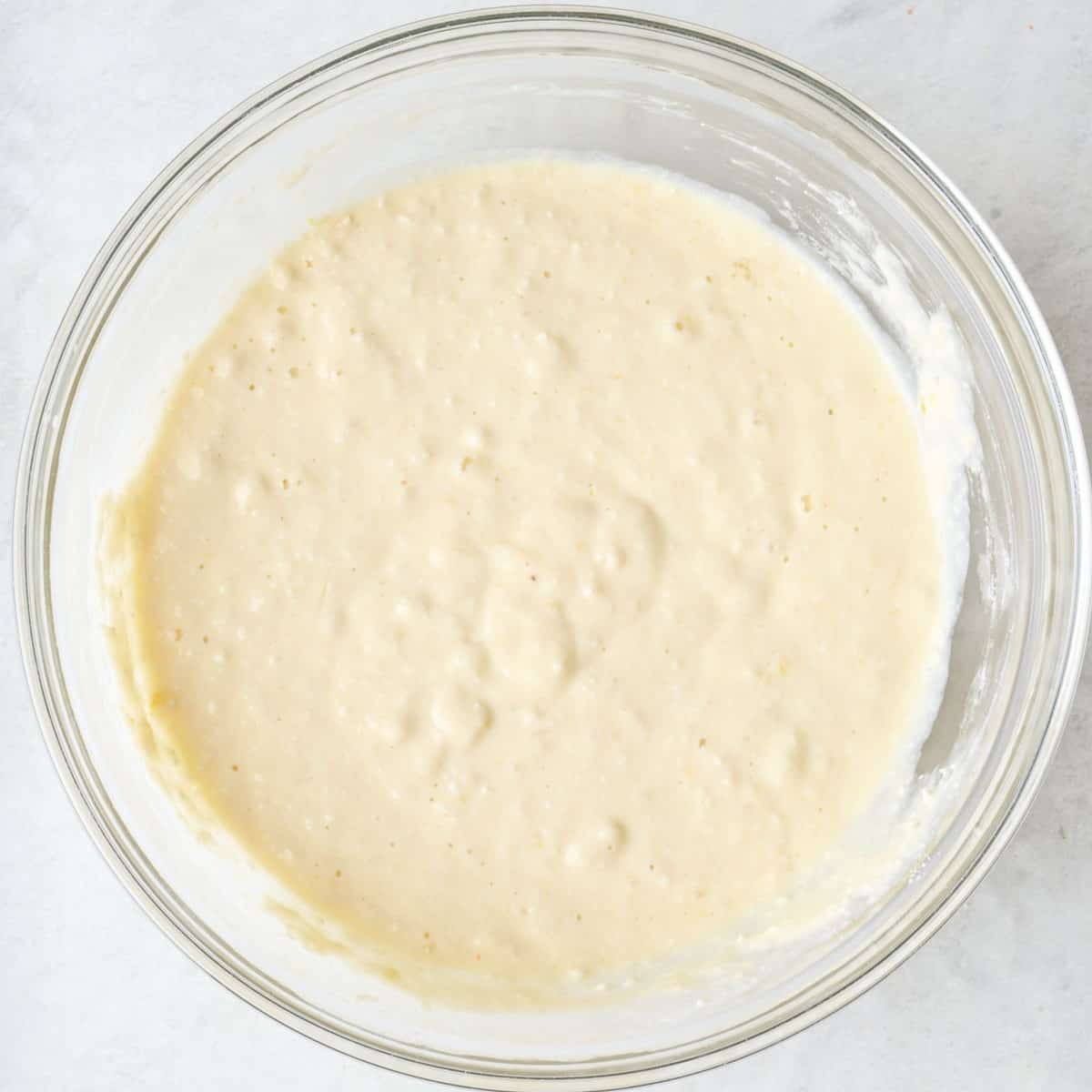
- In another medium bowl, whisk the milk, eggs, ricotta, lemon juice and lemon zest. Whisk the wet ingredients into the dry ingredients until just incorporated.
- Heat a nonstick griddle over medium-low heat. Melt butter on the surface or spray with cooking oil spray.
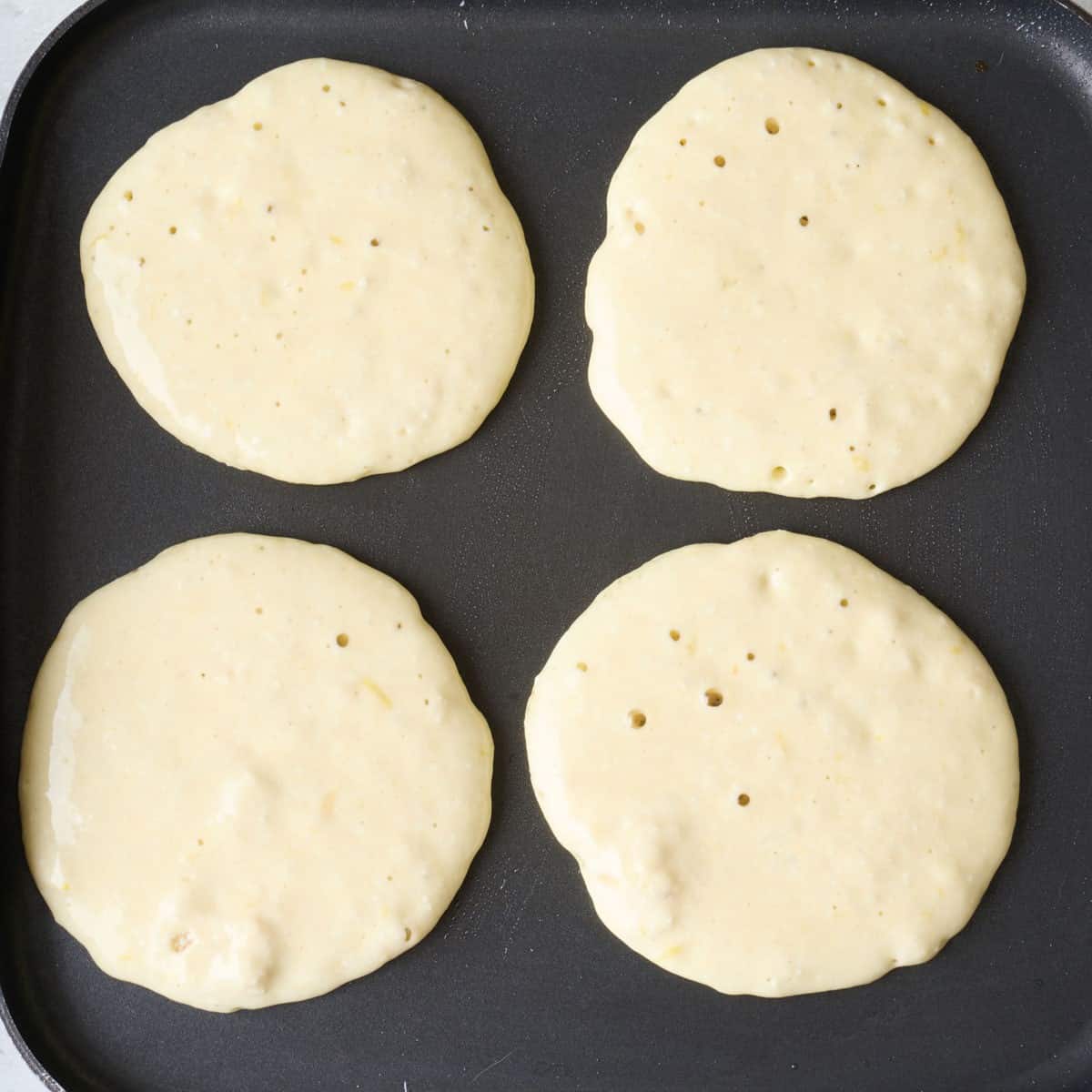
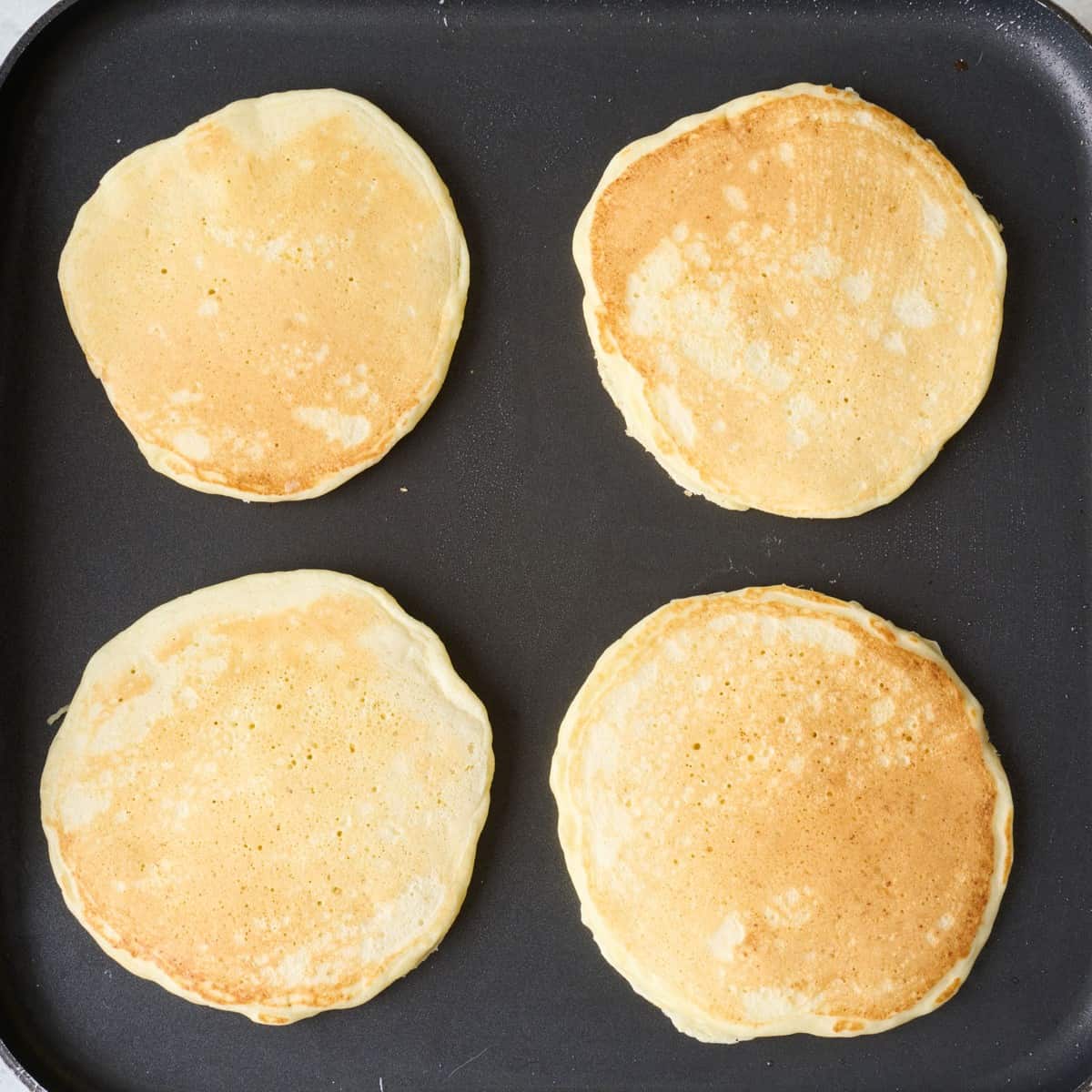
- Pour ⅓ cup of the batter into the hot griddle. Cook for 2-3 minutes, until small bubbles start to form on the top and the edges firm up. Flip the pancake and cook for another 1-2 minutes until the pancake is cooked through and golden brown on the bottom. Makes 11-12 pancakes.
- Serve immediately with maple syrup.
Notes
Nutrition
Nutrition information provided is an estimate. It will vary based on cooking method and specific ingredients used.
Recipe Tips
- Beat your egg whites separately. For extra light and fluffy pancakes, I like to beat my egg whites separately and then fold them into the wet batter.
- Don’t over-mix your batter. Lumps are good in pancake batter! To avoid over-mixing, combine your wet ingredients separately from your dry ingredients, then combine everything together. If you over-mix the batter, you basically overwork the gluten, which will make for more tough, dense pancakes.
- Use a measuring cup for evenly round pancakes. This helps to make sure your pancakes are all even in size so they stack nicely! It also helps you control the pouring situation for the pancakes.
- Be patient when cooking your pancakes. I recommend keeping your pan temperature at low to medium-low heat. Watch for the edges to start to brown lightly, and then you can flip the pancakes. Another test is to see if you can easily slide a spatula under a pancake. If so, they’re ready for flipping.
FAQs
Leftover pancakes can be stored in an airtight container in the refrigerator for up to 3 days. To reheat, simply pop them in the toaster or on a skillet over medium heat for a few minutes until they’re warm and slightly crispy on the edges.
You can! Just place a sheet of parchment paper between each pancake and stack them in a freezer-safe bag. They can be frozen for up to 2 months. When you’re ready to eat, reheat them in a toaster or in the oven at 350°F until they’re hot and regain their texture.
To prevent sticking, make sure your pan or griddle is properly heated before you add the batter. A well-seasoned cast iron or nonstick skillet is ideal! I like to lightly brush the surface with butter or oil, too. Just be careful not to overdo it, as too much fat can cause uneven cooking.
If your pancakes are turning out flat, it might be because you over-mixed your batter, which can deflate the air bubbles that make pancakes fluffy. Mix just until the ingredients are combined—some small lumps are perfectly fine.
A gooey center usually means the pancakes weren’t cooked long enough. Cooking on too high heat can cause the outsides to brown too fast while leaving the middle undercooked. Try lowering your heat a bit and allowing the pancakes to cook slowly for more even doneness.






Comments
Hi, thank for your recipe for pancakes.
I have egg allergy, so what can I use, instead of eggs.
Also can you recommend best substitute for sponge cakes as well.
Kind Regards
Sangeeta
Hi! You can try replacing the eggs with flax eggs. Make sure you let them sit for 5–10 minutes until thickened, then add them to the wet ingredients. The pancakes may be a little more tender and less fluffy than the original, so cook them on medium-low heat and flip gently. You can also use a store-bought egg replacer if you have one, following the package directions for 3 eggs. I haven’t tested a sponge cake with flax eggs, but I don’t think it would work well. Sponge cake relies on whipped eggs for structure, lift, and that light airy texture. Flax eggs can bind, but they won’t trap air the same way, so the cake will likely turn out dense, gummy, or flat. I’d recommend finding a sponge cake recipe that uses aquafaba. Hope that helps!
See All Comments