Perfect Basmati Rice

Updated Sep 29, 2025
How to cook basmati rice with the simple stovetop method my mom taught me, including the right water ratio, rinsing, resting, and fluffing.
This post may contain affiliate links. Please read our disclosure policy.
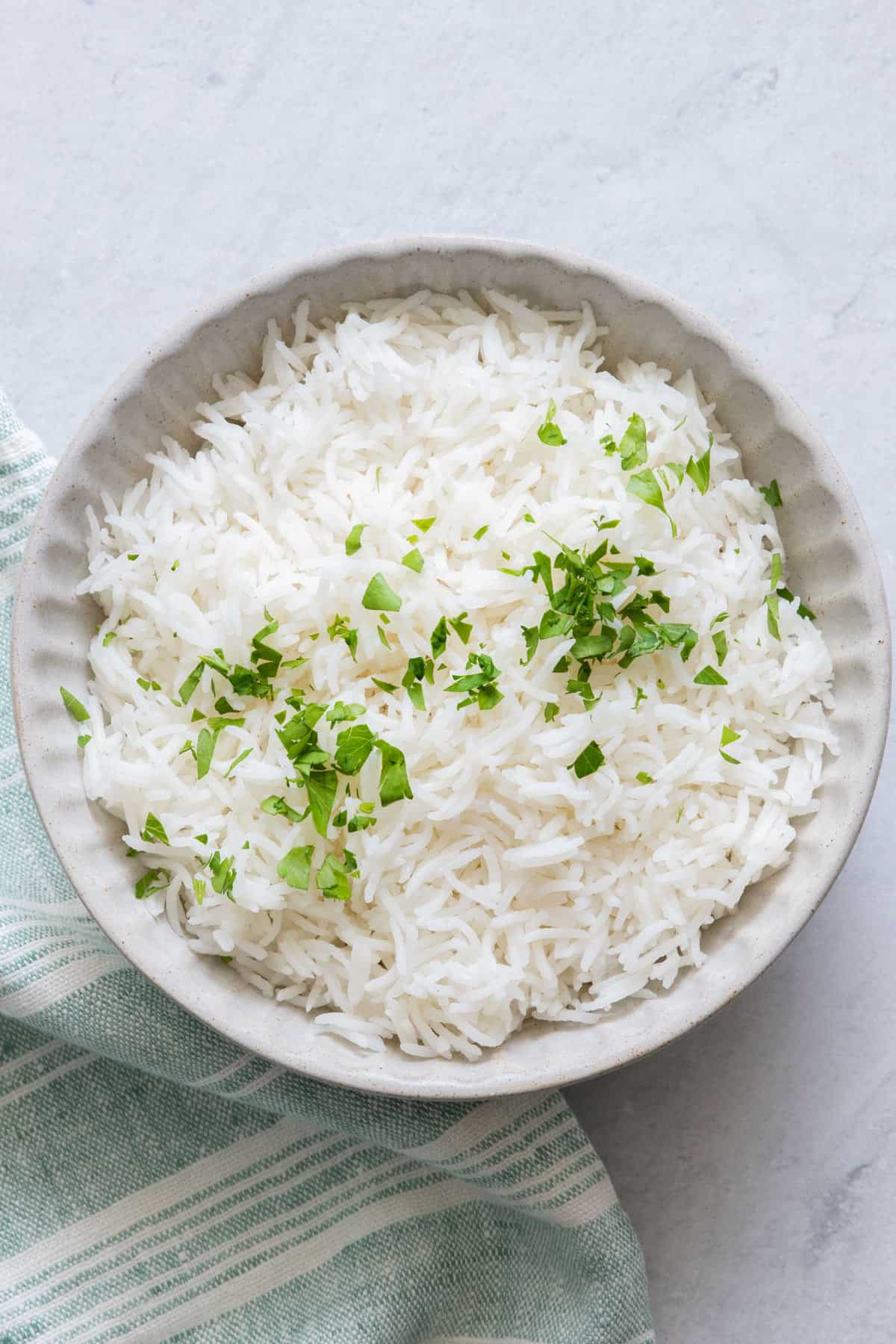
When I got married, one of the first recipes I called my mom about was rice. Specifically, I wanted to know how to cook basmati rice the way she made it. Basmati was the rice I grew up eating with my mom’s Lebanese recipes like Spinach Stew, Green Bean Stew and Beef Kafta, basically all the meals that still taste like home to me..
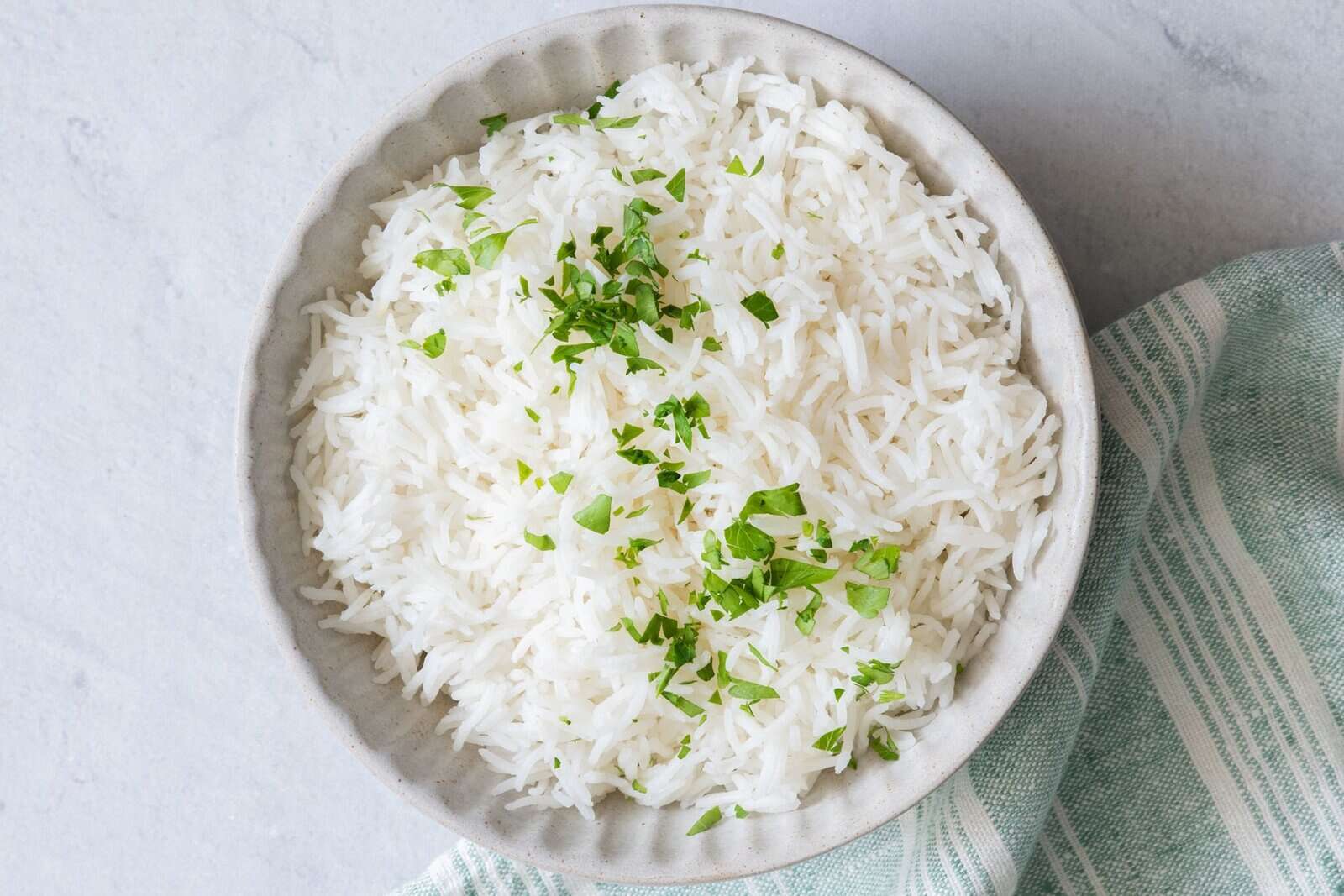
My Moms Recipe testing notes

When my mom first taught me how to cook basmati rice, she was very specific about rinsing it, and she did not mean a quick rinse and call it good. She taught me to keep going until the water runs clear. I’ve rushed that part before, and the rice comes out stickier and the grains clump together more. So yes, this is one of those steps where I can basically hear my mom telling me to rinse it again.
She also taught me the basmati rice water ratio I still use now: 1 cup of rice to 1¾ cups of water. Once it comes to a simmer, I stir it once, turn the heat down, put the lid on, and leave it alone for the full 18 minutes. The leaving-it-alone part took me longer to learn because I always wanted to peek. My mom was right about that too. Every time I lifted the lid, I was letting out the steam the rice needed.
And when the 18 minutes are up, I still don’t touch it. My mom taught me to take the pot off the heat and let the basmati rice sit covered for another 5 minutes before fluffing it. I used to think, the heat is off, surely we’re done here. Nope. That little rest gives the rice time to finish absorbing the moisture. I’ve tried other ways over the years, but I always end up back at the way my mom taught me.
Happy Cooking!
– Yumna
Jump to Section
Basmati Rice Ingredients

- Basmati rice: This is a long-grain aromatic white rice. Measure before rinsing, then drain it well. Brown basmati needs a different cooking time and water amount, so save it for a separate recipe.
- Water and salt: The basmati rice water ratio here is 1 cup rice to 1¾ cups water, with ½ teaspoon salt. Measure the water separately after draining the rice so you’re not adding extra liquid from rinsing. You could also use vegetable stock or chicken stock for more flavor.
How to Make Basmati Rice
Use the photos below to follow each step, from measuring to fluffing, to learn how to cook basmati rice on the stove. The full ingredient amounts and instructions are in the recipe card below, or you can jump straight to the → Basmati Rice Recipe
1. Measure the rice
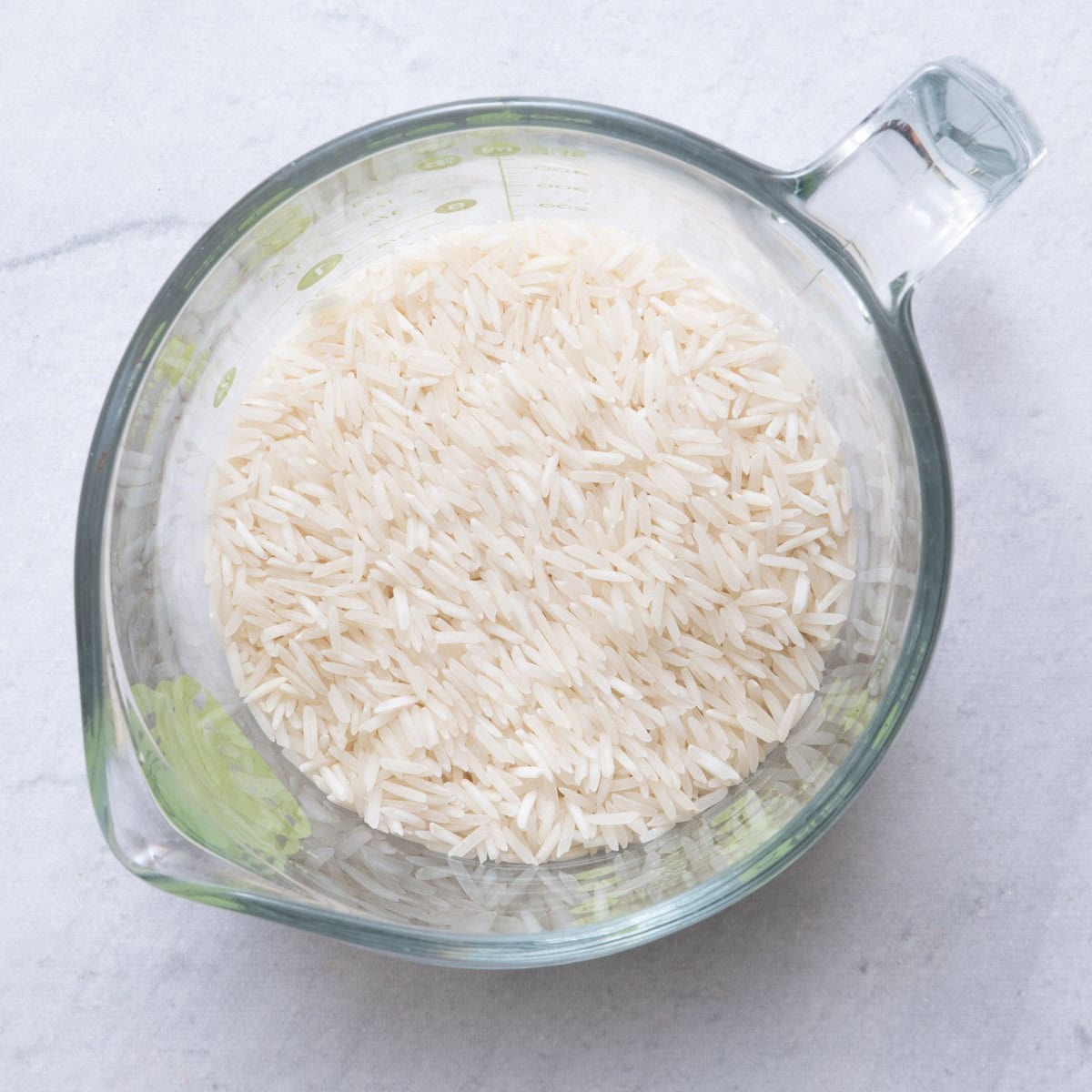
Fill a measuring cup and level the top so you start with the right amount before rinsing.
2. Rinse under cold water
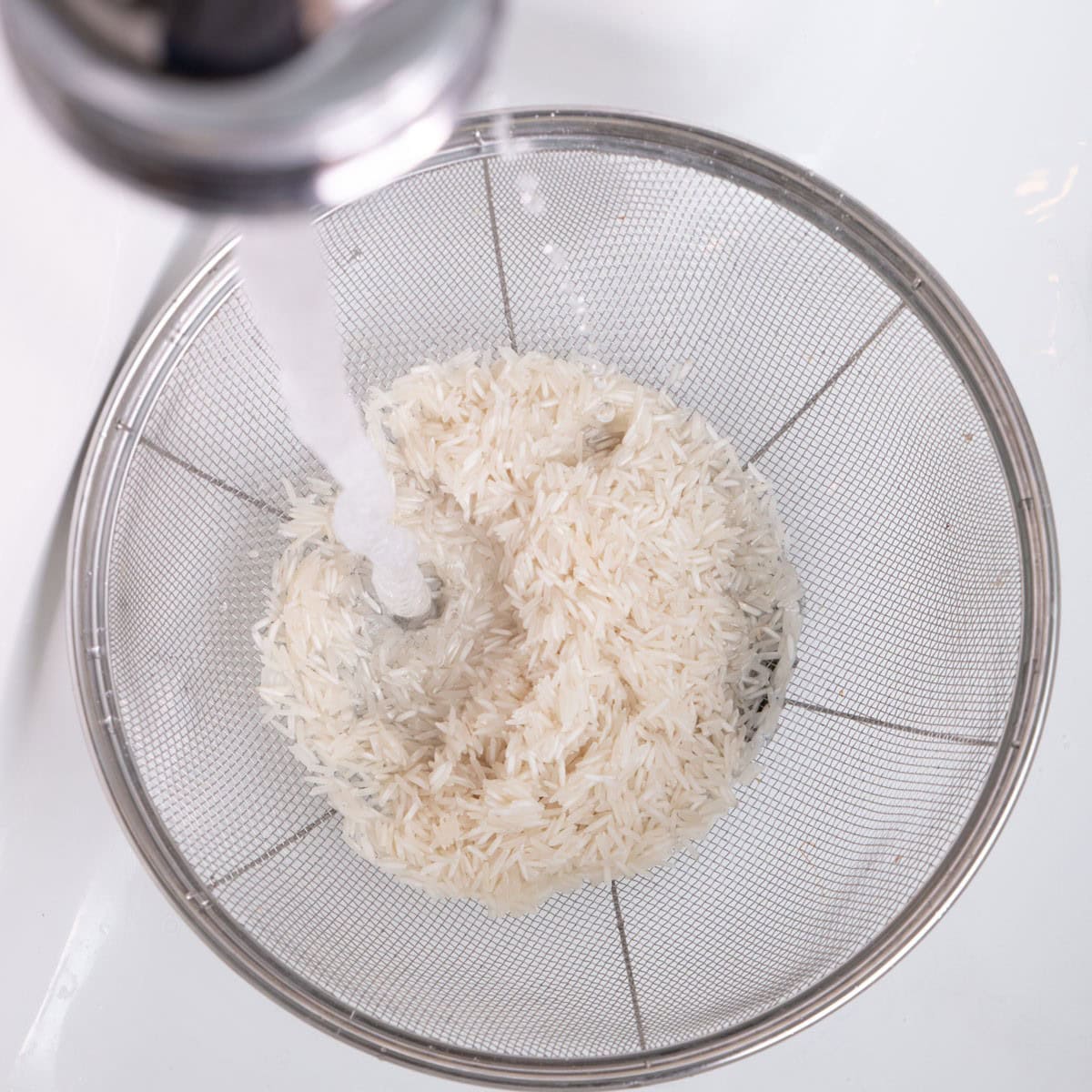
Use a fine-mesh sieve and gently move the grains around under running water until it runs clear. Let the excess water drain away.
3. Transfer to a saucepan
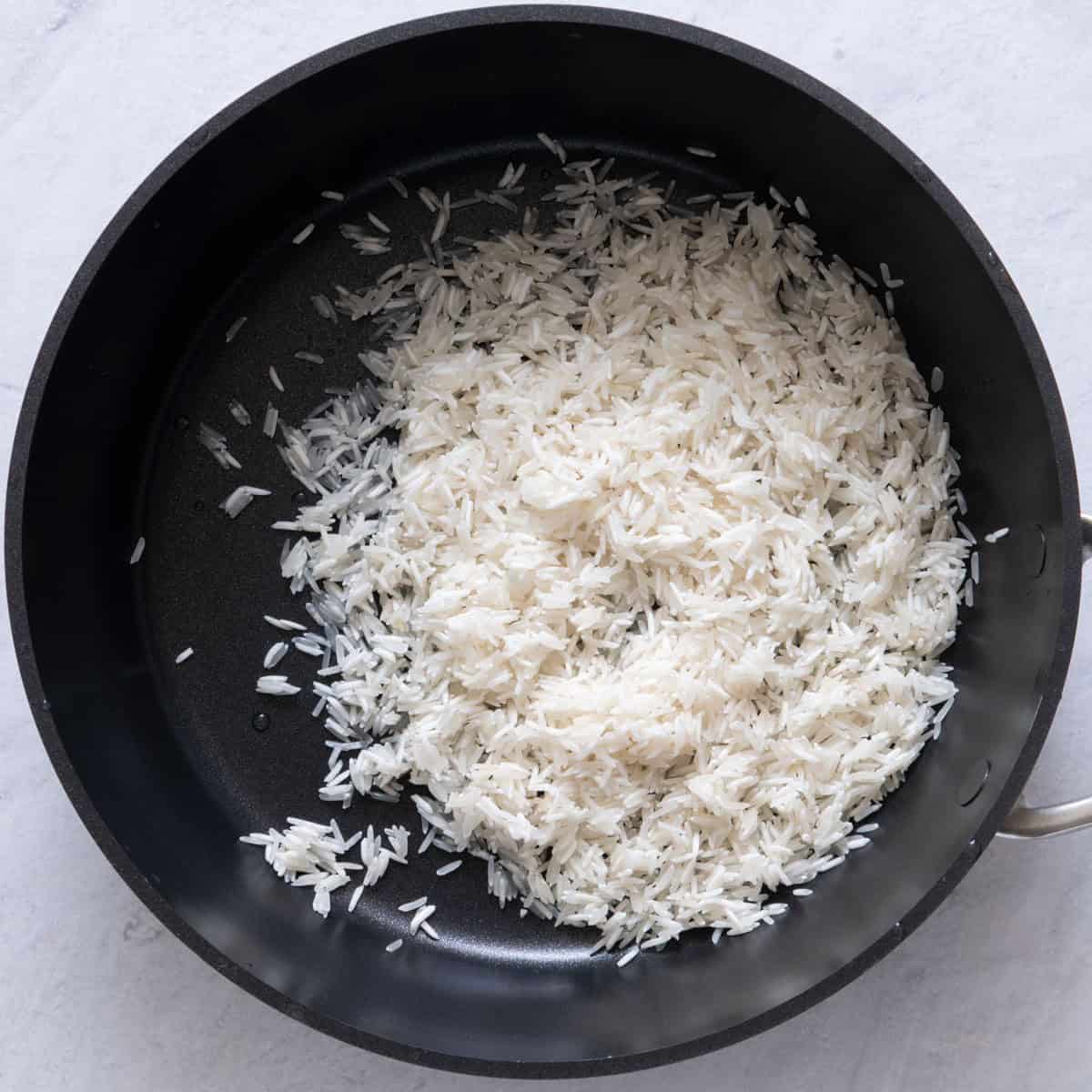
Place the drained grains in the pot over medium-high heat and sprinkle with salt.
4. Add the water
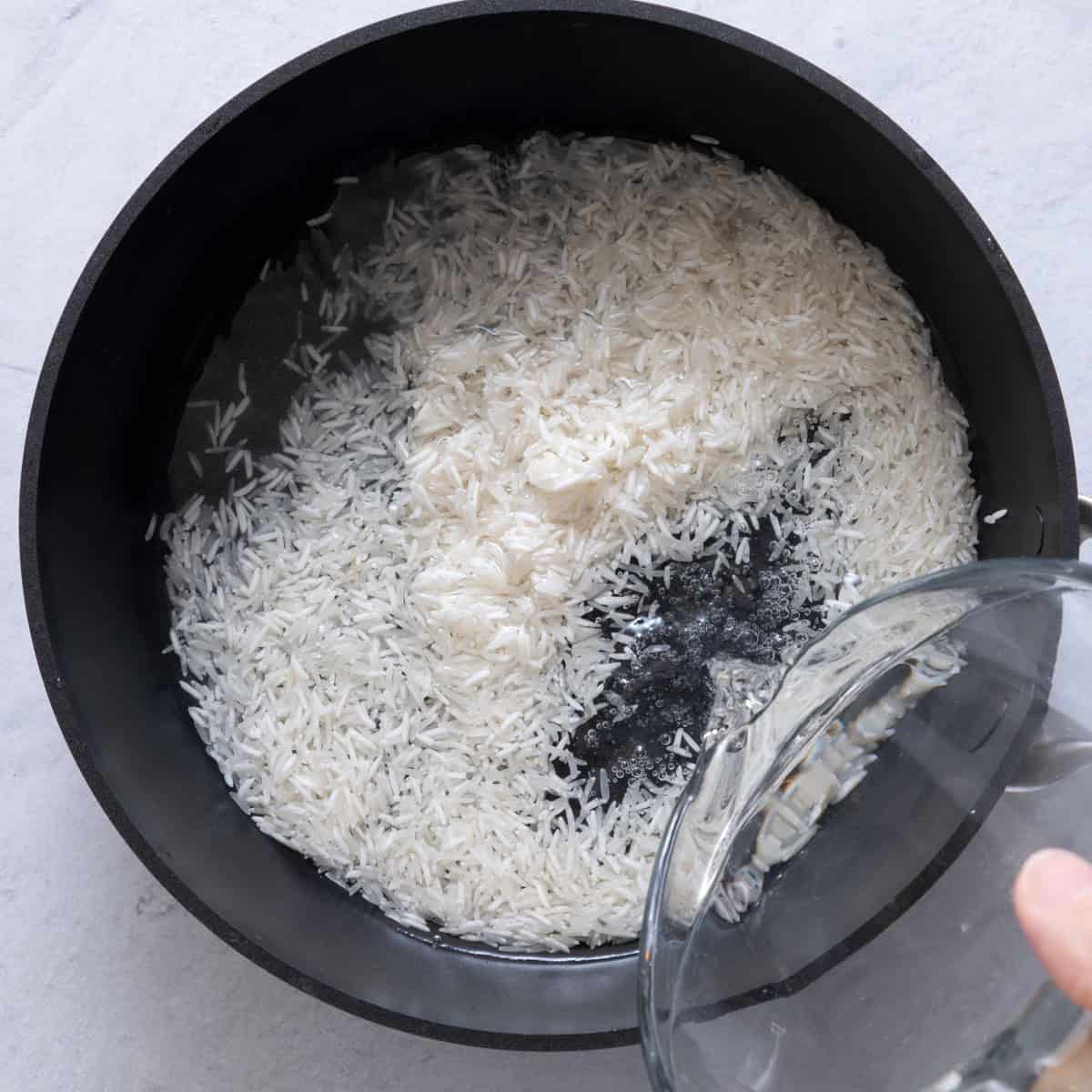
Bring the mixture to a simmer uncovered, about 5 minutes. Give it a quick stir with a wooden spoon to distribute the grains evenly.
5. Cover and cook
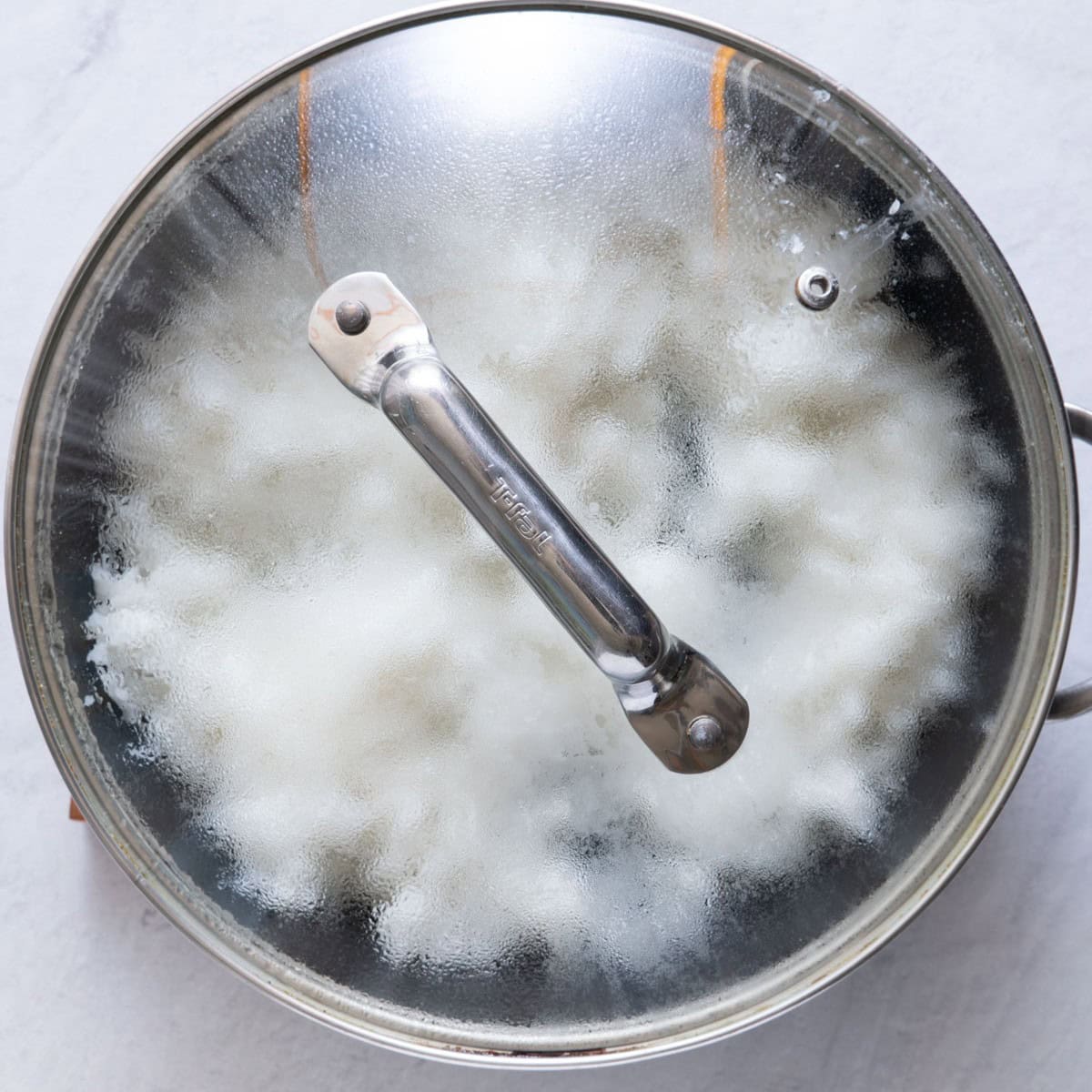
Reduce the heat and fit the lid snugly on the saucepan. Cook, then remove from the heat and rest for 5 minutes, keeping the lid closed the whole time.
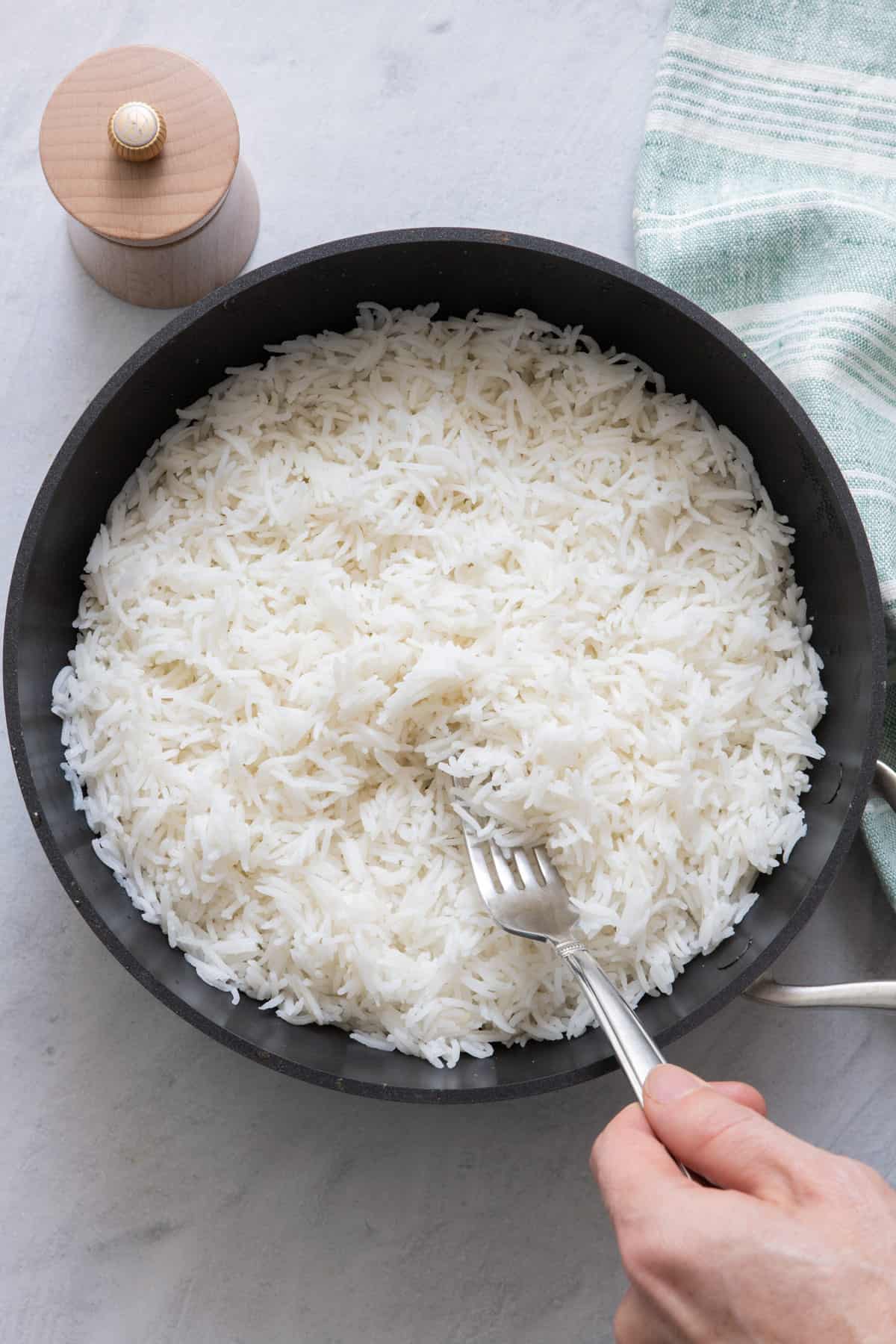
6. Fluff Basmati with a fork
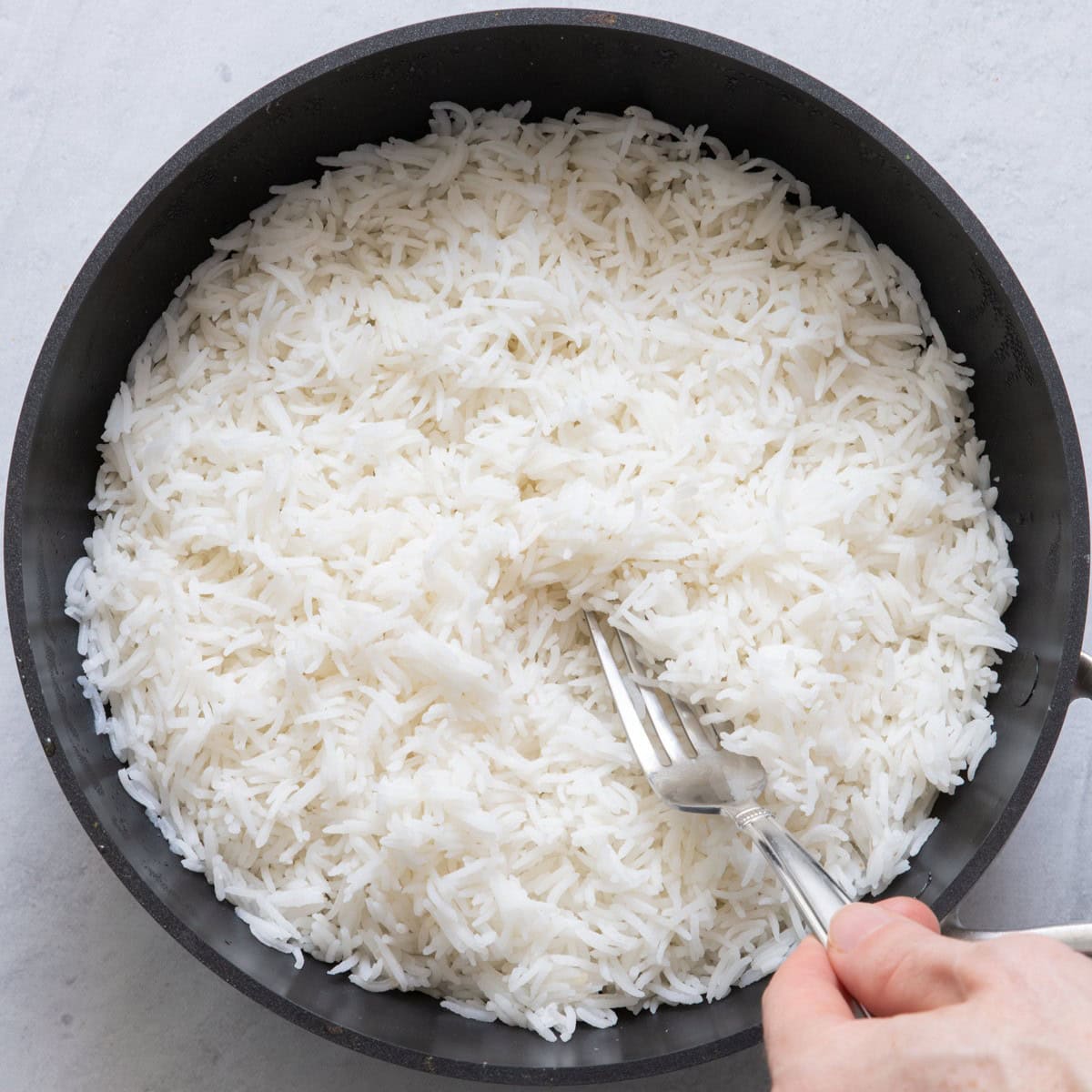
Gently lift and separate the grains without pressing them down, then serve.
Full Basmati Rice Recipe

Basmati Rice Recipe
Video
Ingredients
- 1 cup basmati rice
- ½ teaspoon salt
- 1 ¾ cup water
Instructions
- Measure the rice into a cup and level the top.
- Rinse the rice in a fine mesh sieve thoroughly in cold water until the water runs clear.
- Transfer the rice into a saucepan over medium-high heat. Sprinkle with salt, then add the water and bring to a simmer uncovered, about 5 minutes.
- Using a wooden spoon, stir the rice in the pan to evenly distribute it, but don't over stir.
- Lower the heat to low, cover with a tight-fitting lid, and cook for 18 minutes without opening the lid. Then turn the heat off.
- Remove the saucepan from the heat. Allow the rice to rest for 5 minutes without opening the lid to absorb all the liquid and steam.
- Fluff the rice with a fork to separate the grains, and serve.
Notes
Nutrition
Nutrition information provided is an estimate. It will vary based on cooking method and specific ingredients used.
Recipe Tips
- Use a saucepan with a thick base. It helps distribute the heat more evenly so the bottom layer is less likely to burn before the rice finishes cooking.
- Double-check the cook times on the package. Suggested cooking times can differ depending on the brand of rice you use.
- Don’t skip the resting step. Resting the rice after it finishes cooking gives it that fluffy texture.
- Absorb excess moisture. Once the cooking time is up and the pot is off the heat, you can wrap the lid with a clean tea towel to catch excess condensation from dripping back into the rice.
Serving Ideas
- Make a bowl or salad. Basmati rice is such a good, flavorful base for my rice bowl, crispy rice salad, and Mediterranean rice salad.
- Serve it with curry. I like basmati rice with something saucy so there’s plenty to spoon over the grains. Try my chickpea curry, green Thai curry, or cauliflower curry.
- Pair it with salmon. I love serving my honey lemon salmon, air fryer salmon, or blackened salmon over basmati rice with some roasted vegetables on the side.
FAQs
If the grains are firm and the pot is dry, some of the water may have escaped through a loose lid or evaporated because the heat was too high. Add 2 tablespoons of hot water, cover, and cook over low heat for a few more minutes. Let it rest off the heat before checking again.
Too much water or cooking for too long can make the grains soften and break apart. Once that happens, you can’t restore their shape. For the next batch, measure the water carefully, drain the rinsed rice well, and start the 18-minute timer when you reduce the heat and cover the pot.
The heat may have been too high, or the saucepan may have a thin base that heats unevenly. Transfer the rice from the top to a serving bowl without scraping up the burnt layer. Next time, use a heavier saucepan and the lowest heat that maintains a gentle simmer.






Comments
My rice came out perfect! Used Falak Basmati rice! Thank you
Amazing!! That makes me so happy to hear!
Hi. Will this method also work for brown basmati rice? BTW love your recipes.
Check out my “How to Cook Brown Rice” post! https://feelgoodfoodie.net/recipe/how-to-cook-brown-rice/