Turkey Gravy

Published Oct 01, 2026
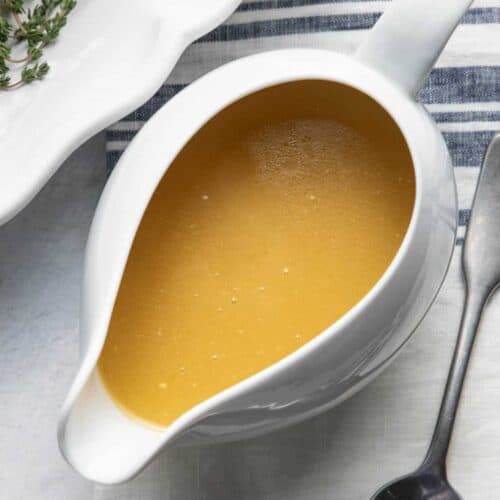
Turkey gravy made from your roasting pan drippings, thickened with a cornstarch slurry. A smooth, lump-free gravy ready in about 10 minutes.
This post may contain affiliate links. Please read our disclosure policy.
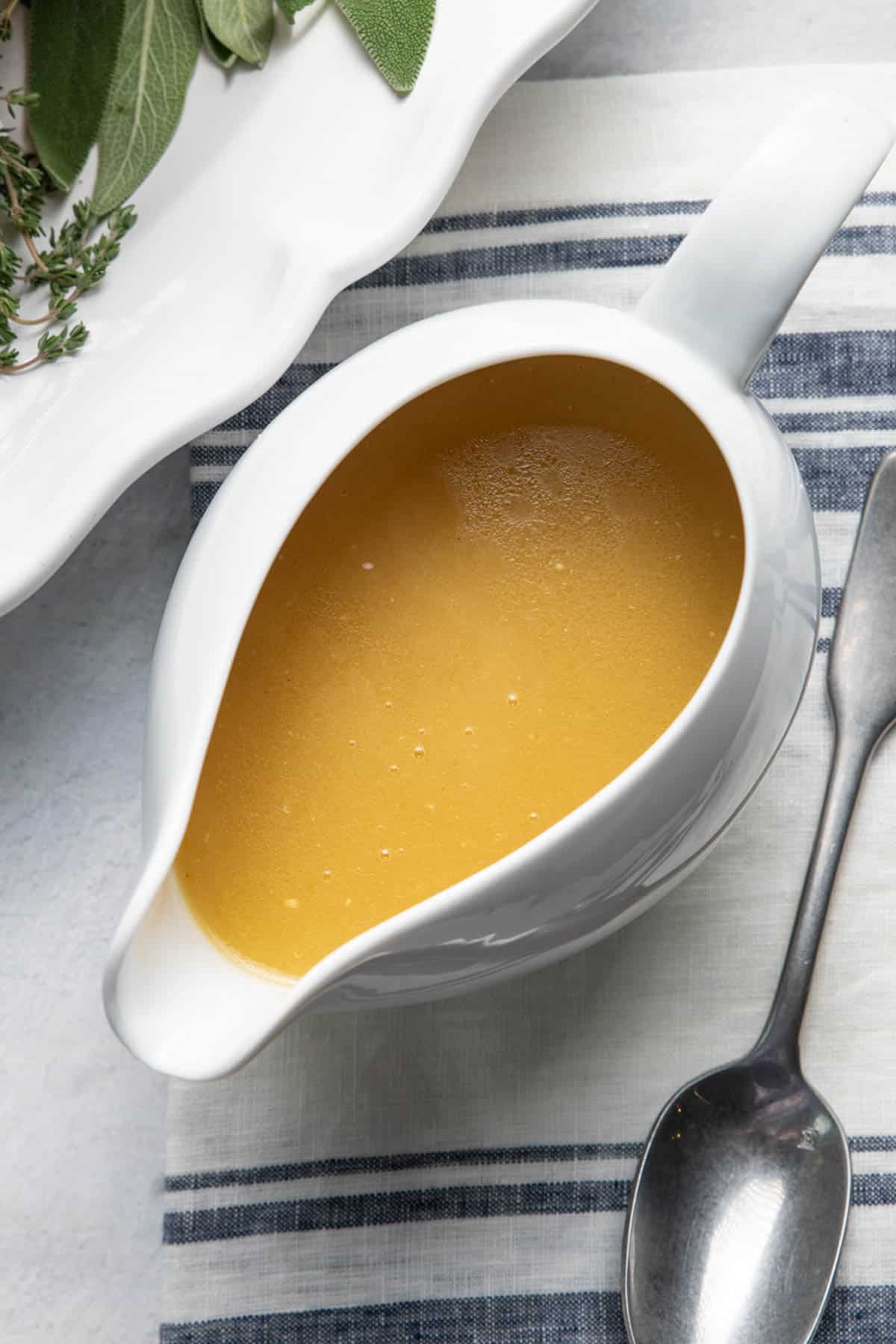
Whenever I roast a turkey, I always make turkey gravy with the drippings. It’s the best part, I end up pouring it over the turkey, the mashed potatoes, even the stuffing. This turkey gravy recipe is as simple as it gets, just a quick cornstarch slurry to thicken things up and some seasoning to taste. I like that it comes together fast, and I can adjust the thickness and saltiness as I go. It’s one of those little touches that makes the whole meal feel extra comforting.
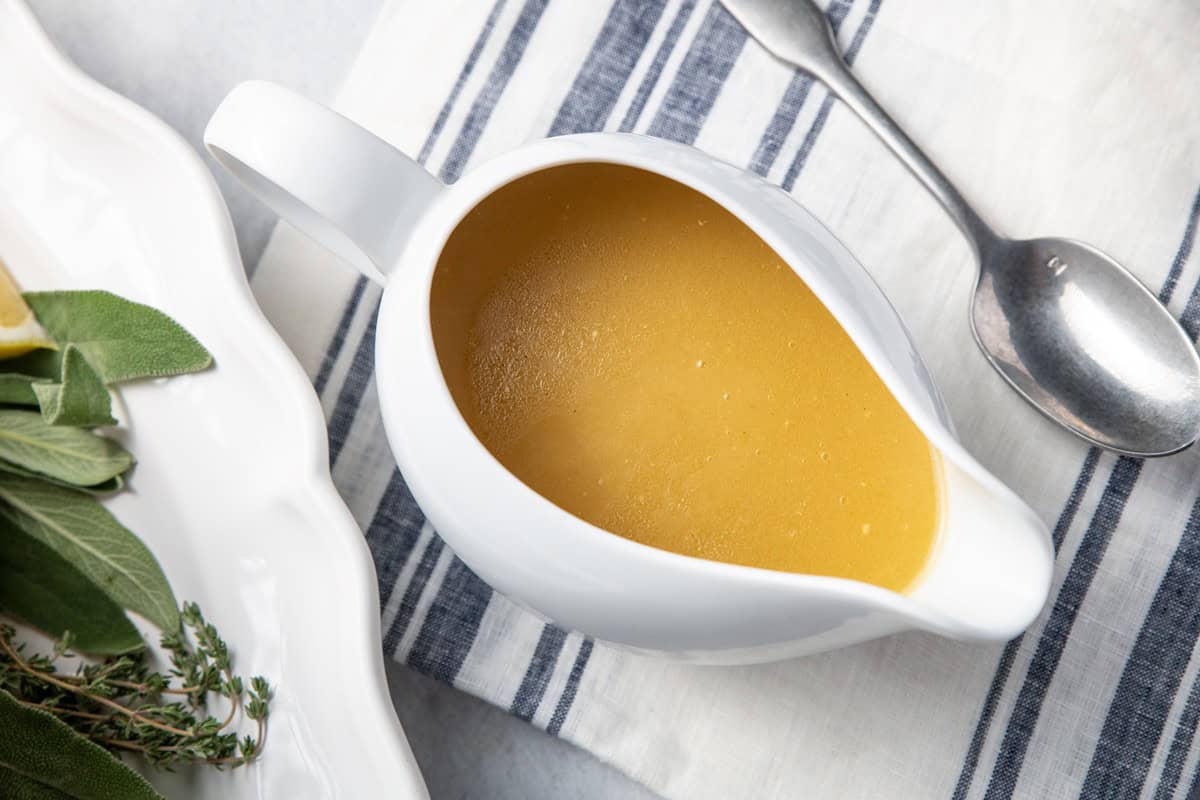
Jump to Section
Recipe Testing Notes

For the past 10 years, I’ve tested every recipe before sharing it with you! These notes give you a peek into the process of developing this turkey gravy recipe.
I thought I could just whisk cornstarch straight into the hot drippings and work out the lumps. I could not. Once those little clumps formed, they seemed determined to stay there. Now I mix the cornstarch with cold water first, and I haven’t had the same problem since.
The slurry is something I add by feel because the drippings are a little different every Thanksgiving. I’ve poured the whole thing in before and gone straight past gravy into something closer to paste. So I add some, let it boil, and decide if it needs more. Same with the salt. Some years the drippings need it and some years they absolutely do not, so I stopped adding salt before tasting first.
Happy Cooking!
– Yumna
Turkey Gravy Ingredients
- Turkey drippings: Save the liquid from the roasting pan for this turkey gravy recipe, then let it rest so you can skim off the fat first. The seasoning from the turkey carries into the drippings, so taste before adding any salt, especially if you brined the turkey. If you don’t have enough drippings, you can use melted butter.
- Cornstarch: Adjust the amount based on how thick or thin you like your turkey gravy. You can also use arrowroot starch or potato starch.
- Water: Since drippings can be salty, I use water so I can control the seasoning. If you want a richer gravy, use chicken stock or vegetable stock.
Recipe Video
How to Make Turkey Gravy
The photos below show how to make homemade turkey gravy from turkey drippings, from skimming off the fat to thickening the sauce. The full ingredient amounts and instructions are in the recipe card below, or you can jump straight to the → Turkey Gravy Recipe below
1. Transfer the drippings
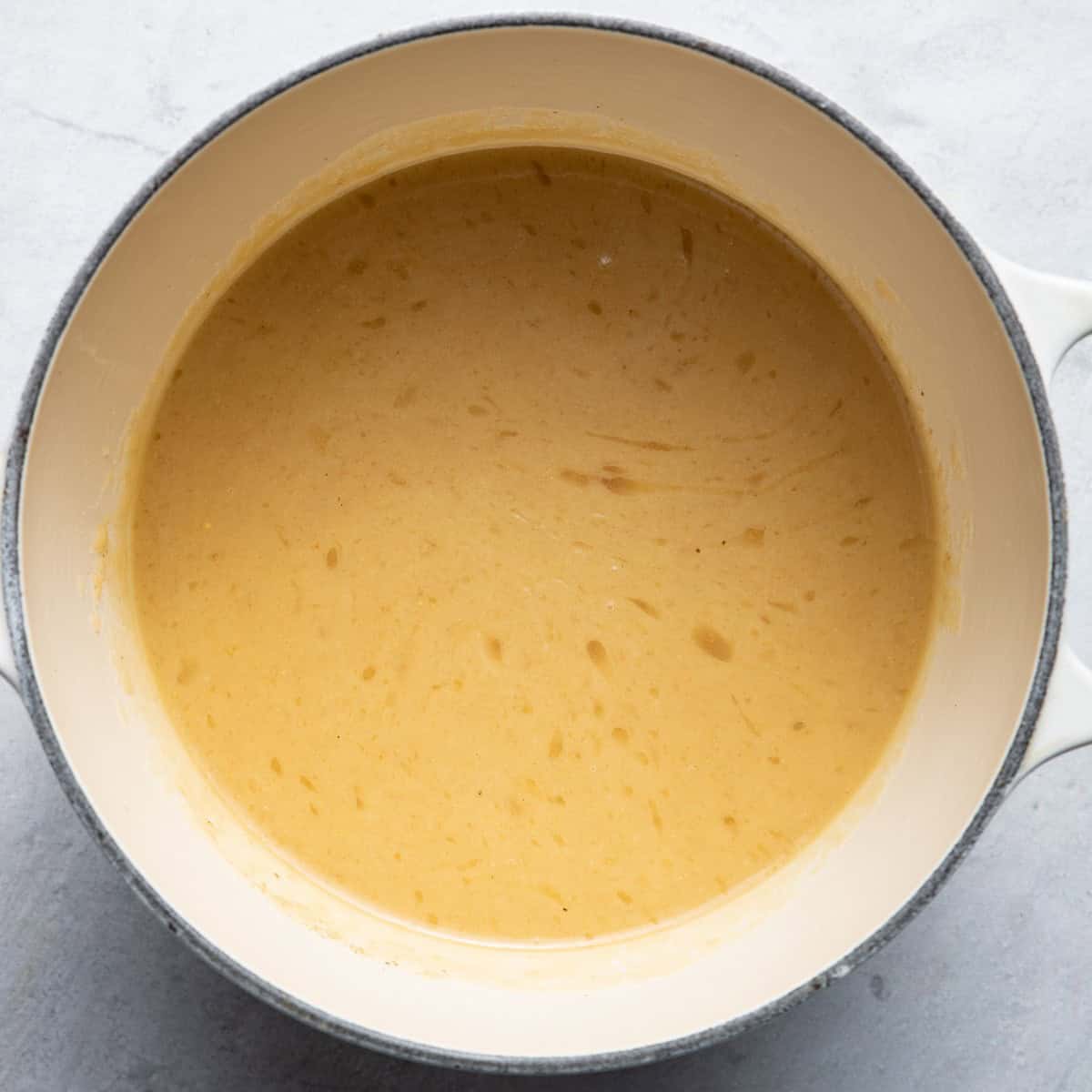
Carefully pour the liquid from the roasting pan into a medium saucepan. Let it sit for at least 5 minutes so the fat rises to the surface.
2. Skim off the fat

Use a spoon to lift off the fatty layer on top and discard it, leaving the juices underneath in the saucepan.
3. Whisk the slurry

In a small bowl, combine the cornstarch and water until smooth, with no dry pockets or lumps.
4. Simmer and taste

Bring the drippings to a simmer, then taste for saltiness. If they’re too salty, stir in water 1 tablespoon at a time, tasting after each addition.
5. Thicken the gravy

Slowly whisk in a small amount of slurry. Let the gravy return to a brief boil and thicken before deciding whether to add more. Stop when it reaches the consistency you want; you may not need all the slurry.
6. Season the Turkey gravy
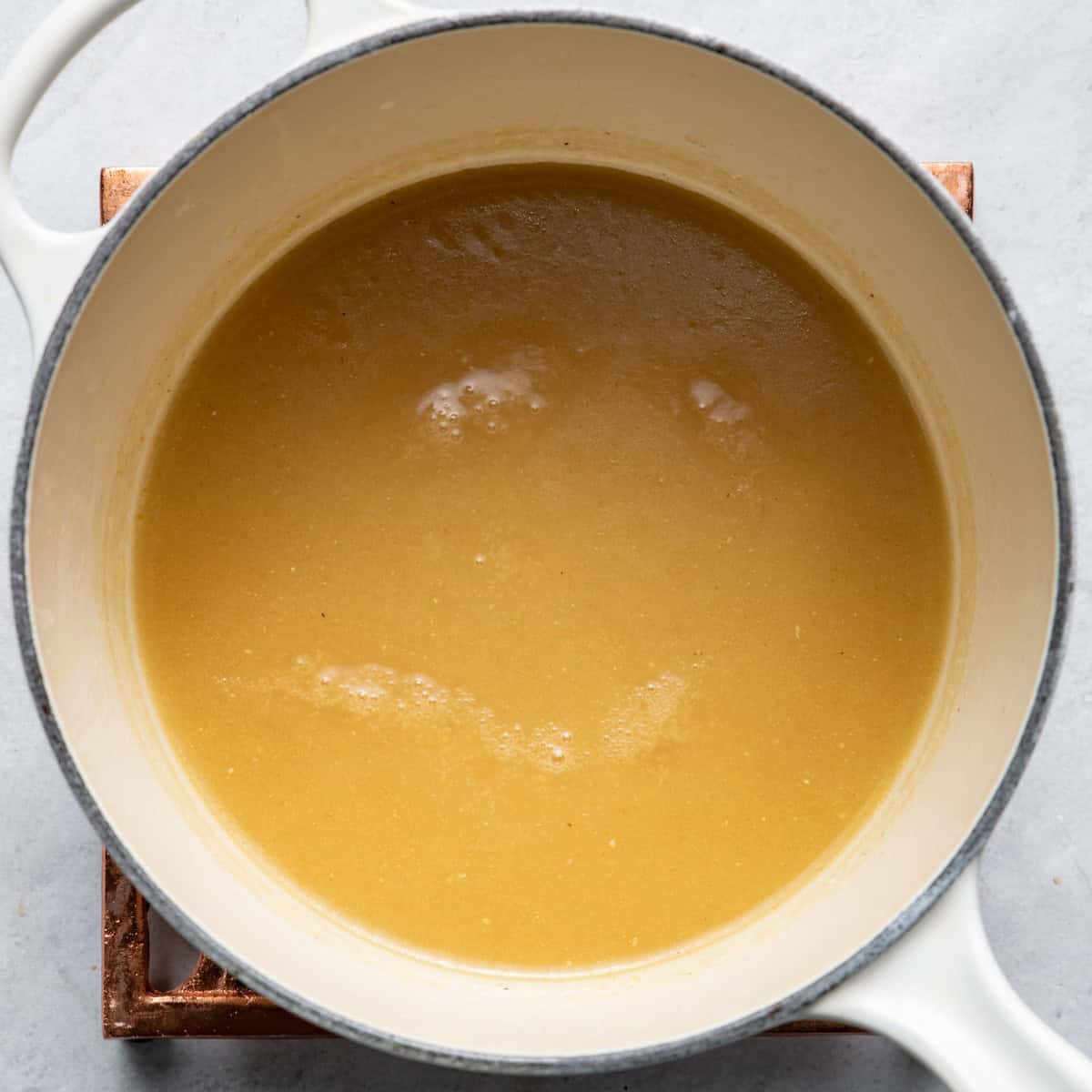
Taste again and add salt and pepper as needed. Keep the saucepan over very low heat until serving, stirring occasionally.
Full Turkey Gravy Recipe
Turkey Gravy Recipe
Video
Ingredients
- Turkey drippings about ¼ – ½ cup
- 2 tablespoons cornstarch
- ¼ cup water
- Salt and pepper to taste
Instructions
- Carefully pour all drippings into a sauce pot and allow to sit for 5 minutes. Use a spoon to skim off the fat.
- Whisk the cornstarch and water together in a small bowl to remove lumps.
- Bring drippings to a simmer and taste to determine if it is too salty. If too salty, add one tablespoon of water at a time until the flavor is where you want it.
- Slowly whisk in the slurry into the drippings a little at a time and allow for the gravy to come back to a boil and thicken before adding more. You may not need to use all the slurry. Save anything leftover for another use.
Equipment
Notes
Nutrition
Nutrition information provided is an estimate. It will vary based on cooking method and specific ingredients used.
Recipe Tips
- Put the drippings in a cool place to hurry the fat separation from the turkey drippings. If your fridge is full, a cold garage or screened-in porch can work, too.
- Use the fond for more flavorful drippings. Take a moment to scrape all the browned bits off the bottom of the roasting pan. Those nuggets, called fond, add flavor to the gravy. You can use a little water or stock to help them lift off the pan, then strain through a fine mesh strainer.
- Whisk the slurry again before pouring. Cornstarch settles as it sits, so give it another stir to bring it back together.
Recipes to Serve Turkey Gravy With
- Turkey: Gravy is a must-have with turkey! Serve it with my easy Thanksgiving turkey, dry-brined turkey breast, or air-fryer turkey breast.
- Stuffing: I love to spoon this homemade turkey gravy over my Thanksgiving stuffing. You can also try my vegetarian butternut squash stuffing and mushroom stuffing.
- Mashed potatoes: If you like gravy on your potatoes, try my Greek yogurt mashed potatoes, roasted garlic mashed potatoes, or olive oil mashed potatoes.
Troubleshooting
Whisk in a teaspoon or so of fresh lemon juice to help balance the flavor.
Keep it over low heat and whisk in water 1 tablespoon at a time until it pours easily. Taste again afterward, since the extra water will dilute the seasoning.
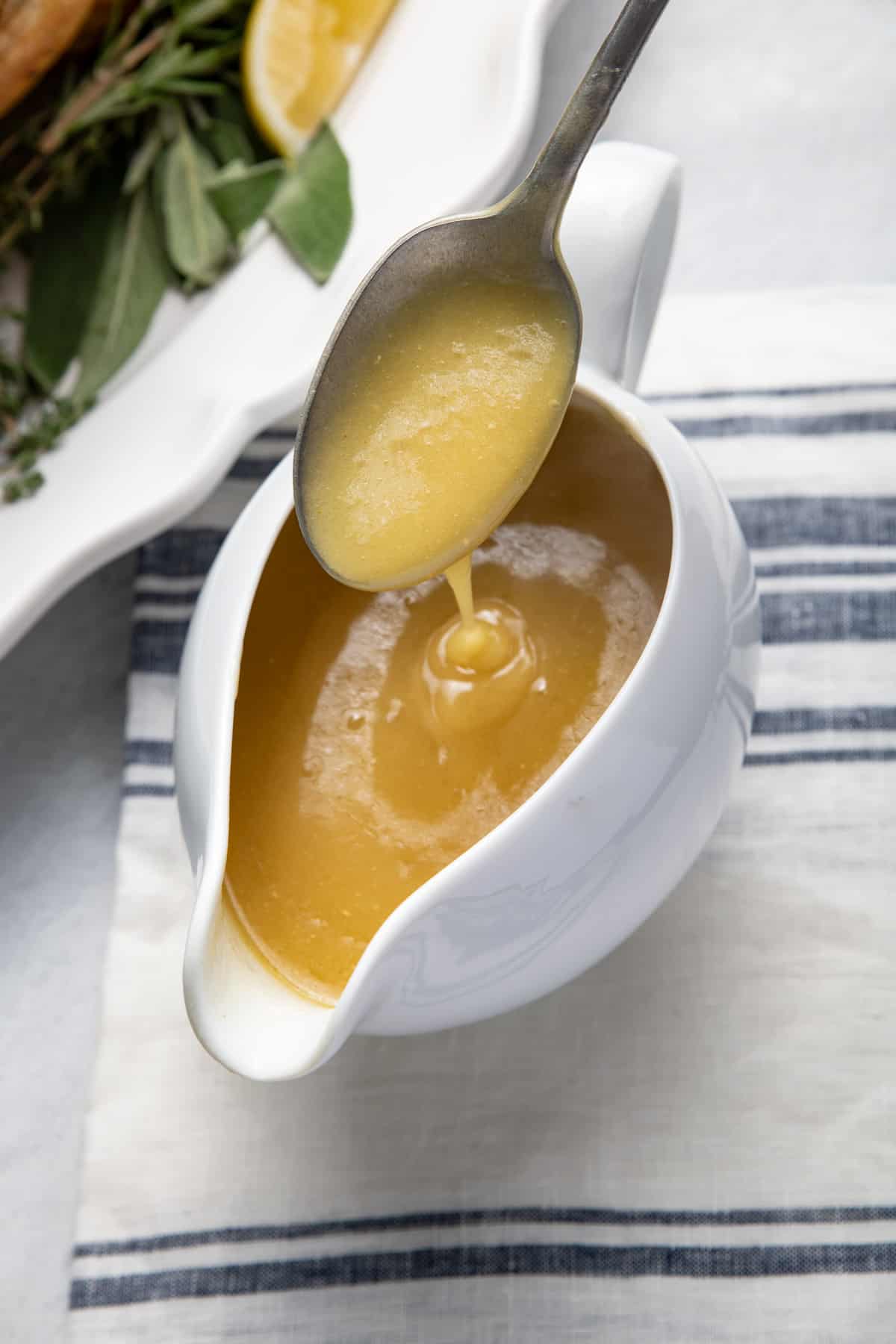
You need to return the gravy to a brief boil after adding the slurry. If it’s still thin after that, whisk the remaining slurry again and add a little more, letting it thicken before the next addition.
Cornstarch can clump if it goes straight into hot liquid or if you don’t fully mix the slurry. Whisk the gravy well, then pass it through a fine-mesh strainer if lumps remain.